Jaipur has slowly become one of those tourist destinations people keep coming back to. Some visit for the forts and palaces, some for the cafes and markets, and some because the city feels easy for a short trip with friends. To help you pack everything you need, a solid Jaipur packing list is the ultimate way to plan a hassle-free vacation. The moment you enter Jaipur, the atmosphere and vibes shift to the early Indian era. The old pink buildings with Rajputana architecture, crowded bazaars, roadside food stalls, rooftop restaurants, and historical streets give the city its own personality, the “Pink City” title.
For friend groups, Jaipur usually checks every box. You get good food, affordable stays, shopping markets, nightlife, cafes, and sightseeing spots without spending too much. That is one of the reasons why college students, office groups, and weekend travelers from Delhi NCR, Gujarat, Maharashtra, Punjab, and nearby states keep choosing Jaipur for short vacations.
Most Jaipur trips look exciting and chilled back on social media, but the reality involves a lot of walking, daytime heat, crowded markets, and packed schedules. People often spend days planning hotels and cafes but forget to pack according to the city’s weather and travel conditions. A poorly packed bag starts becoming a problem from the first day of your trip.
What Clothes to Wear in Jaipur? (Jaipur packing listClothing Guide)
One thing most first-time travelers face quickly is Jaipur’s weather. During the day, especially in summer months, the heat feels stronger because most sightseeing spots stay open and involve constant walking.
Light cotton t-shirts, loose shirts, cargos, relaxed-fit jeans, and comfortable lowers work best for your Jaipur packing list. Heavy fabrics usually become uncomfortable after a few hours outdoors. If your trip falls between October and February, carrying a light hoodie or jacket helps because evenings become colder, especially during rooftop outings and late-night drives.
Many people overpack for Jaipur trips because they plan separate outfits for every photo. In reality, carrying practical and comfortable clothes helps much more than carrying extra luggage you will barely use.
Best Footwear for Jaipur packing list
Good footwear changes your entire travel experience. Most tourist attractions involve stairs, uneven roads, market lanes, and long walking distances. By the end of the day, your feet usually feel stiff.
Comfortable sneakers, sports shoes, or cushioned sandals work far better than fashionable footwear with poor support is a must for Jaipur packing list. Travelers who carry brand-new shoes often regret it after the first few hours because shoe bites and discomfort become problematic during long sightseeing schedules.
Travel Essentials You Should Not Forget
Phones become your biggest travel tool during a Jaipur trip. You use them for navigation, payments, photos, ride bookings, restaurant searches, and group coordination almost nonstop.
That is why a power bank becomes one of the most useful things in your bag. Long sightseeing schedules rarely give enough time to charge devices properly. Carrying chargers, charging cables, and earphones also helps during train rides, flights, or road trips.
If your group plans to shoot reels or travel videos, extra storage space becomes useful because Jaipur gives endless photo opportunities.
Sun Protection and Personal Care Essentials
Jaipur’s dry weather and sun starts feeling exhausting once you spend several hours outdoors. Many travelers underestimate the afternoon heat, especially around forts and open sightseeing areas where shade is rarely available .
A good sunscreen, sunglasses, lip balm, moisturizer, and a reusable water bottle helps you stay comfortable throughout the day. Wet wipes and tissues also become surprisingly useful during market visits and long travel schedules.
Important Medicines and Emergency Items
Friend trips usually involve late nights, irregular meals, street food, and constant movement around the city. Carrying a few basic medicines saves you from emergencies and searching pharmacies in unfamiliar areas.
Headache medicines, ORS sachets, stomach relief tablets, band-aids, and pain relief sprays usually come in handy during Jaipur trips. Most people ignore these things while packing and end up needing them later.
Keep Cash Along With UPI
UPI works in most cafes, restaurants, and stores across Jaipur, but smaller market vendors and roadside shops still prefer cash in many places.
Keeping some small denomination notes helps during shopping, food stops, parking, and local transport. Carrying a government ID is also important because hotels require verification during check-ins.
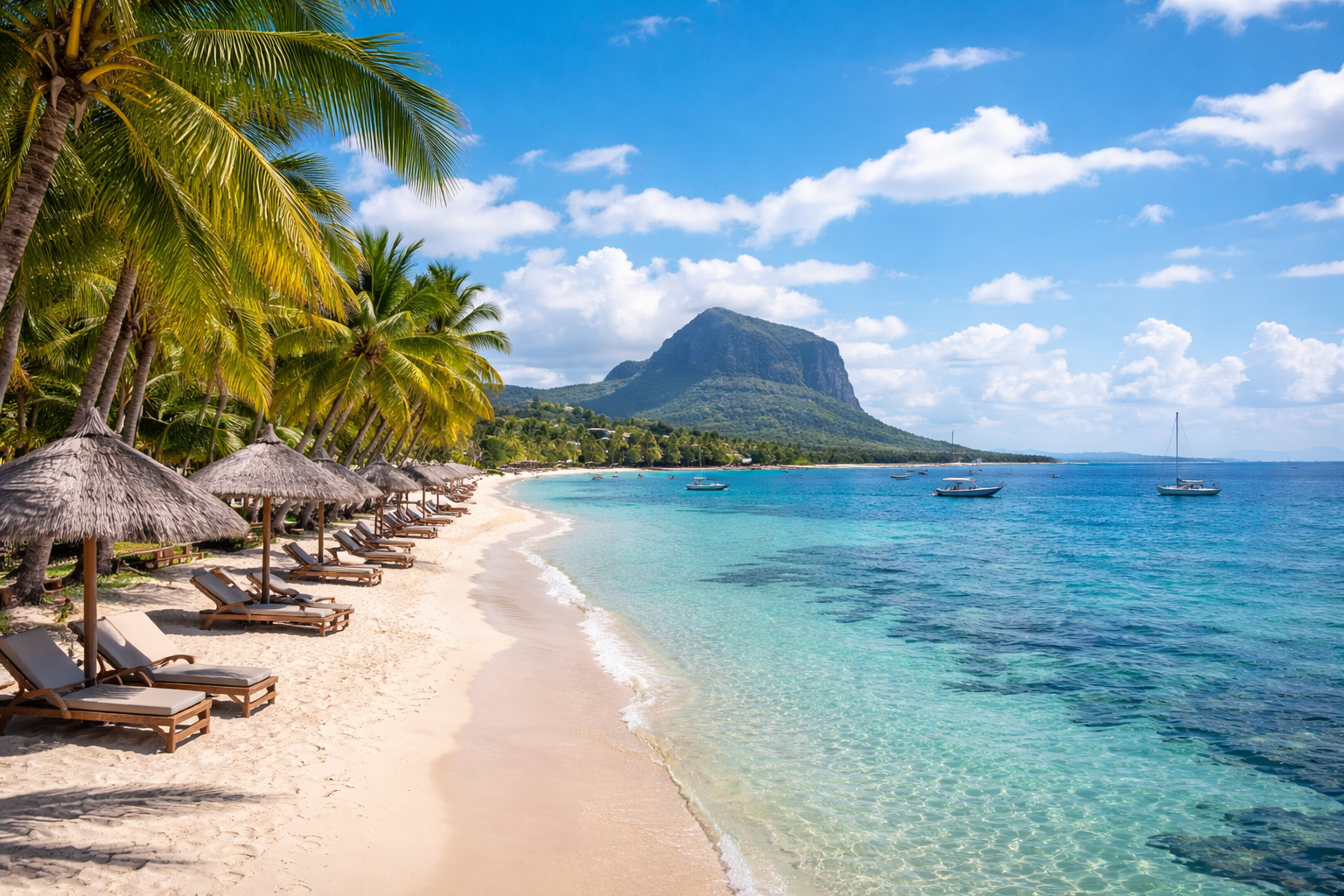
Planning a tropical escape becomes even more exciting when you understand the Mauritius trip cost for couples from India and what it includes. Mauritius, with its clear lagoons, soft sandy beaches, and scenic landscapes, is a popular choice for couples seeking both relaxation and memorable experiences. From romantic honeymoons to leisurely holidays, the island offers something for every kind of traveller, making it important to have a clear idea of the overall expenses before you begin planning.
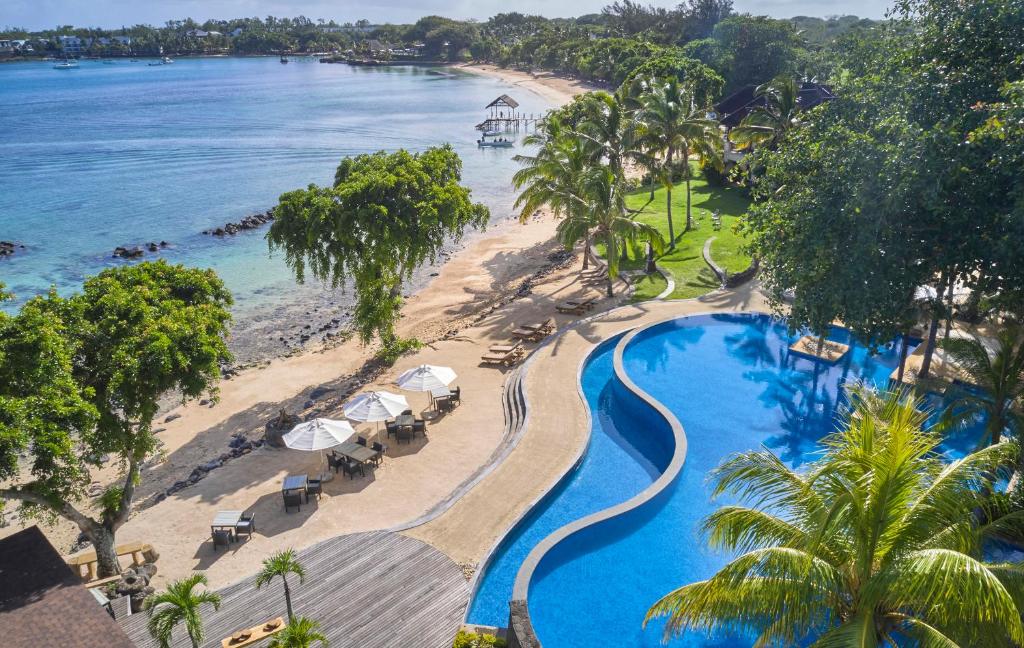
The cost of a trip from India for a couple can vary depending on several factors, including travel season, accommodation preferences, and the type of experiences you choose. Flights often form a significant portion of the budget, especially during peak travel months. Accommodation options range from charming boutique hotels and comfortable mid-range stays to luxurious beachfront resorts that offer premium amenities and privacy. Choosing the right stay plays a key role in shaping your overall budget.
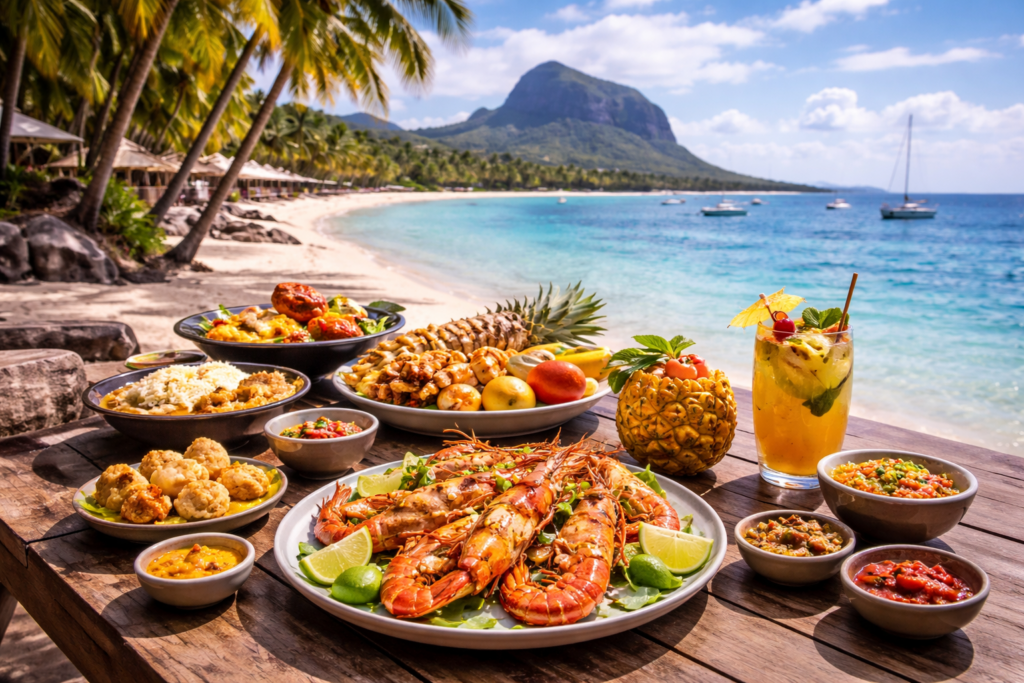
Daily expenses such as meals, transport, and activities also influence the total trip cost for couple from India. Couples can enjoy a variety of dining options, from local eateries serving authentic Mauritian cuisine to upscale restaurants offering fine dining experiences. Activities such as snorkelling, island tours, and sunset cruises add to the experience while contributing to the overall cost. Many travellers also opt for package deals that combine accommodation, meals, and selected activities, helping to simplify planning and manage expenses more efficiently.
Timing your trip wisely can make a noticeable difference in cost. Travelling during the off-season can lead to better deals on flights and hotels, while peak periods tend to be more expensive. By planning carefully and selecting options that align with your preferences, couples can enjoy a well-balanced and memorable holiday. Understanding the Mauritius trip cost for couples from India allows you to create an experience that blends comfort, romance, and value.
Mauritius Trip Cost for Couples from India (Approximate Guide)
Round-trip Flights
Let’s start with flights, which usually take up a big chunk of your budget.
Flight Type
Estimated Round-Trip Cost (INR)
Regular Economy Flights (Advance Booking)
Rs.25,000 – 45,000 per person
Peak season or last-minute bookings
Rs.40,000 – 60,000 per person
Premium or business class
Rs.70,000+ per person
Couple (Economy Estimate)
Rs.50,000 – 120,000
Accommodation:
When it comes to staying in Mauritius, you have plenty of options depending on your budget and travel style.
Accommodation Type
Estimated Cost per Night (INR)
Budget Guesthouse or Hostels
Rs.3,000 – 8,000
Mid Range Hotels
Rs. 8,000 – 18,000
High End Resorts
Rs. 18,000 – 45,000+
Most couples prefer beachfront resorts or cosy boutique stays for a more romantic experience. While these might cost a bit more, they often add a special touch to your trip.
Food and Drink
Food in Mauritius is quite diverse and easy to enjoy, especially for Indian travellers. For a couple, daily food expenses can range between Rs 3,000 and Rs 8,000. You can keep things budget-friendly with local eateries or treat yourselves to a few nice dinners at resort restaurants. A mix of both usually works best and helps balance your overall Mauritius couple trip cost.
Transportation
Getting around the island is fairly simple.
Transport Type
Estimated Cost (INR)
Public buses
Rs.50 – 200 per person per day
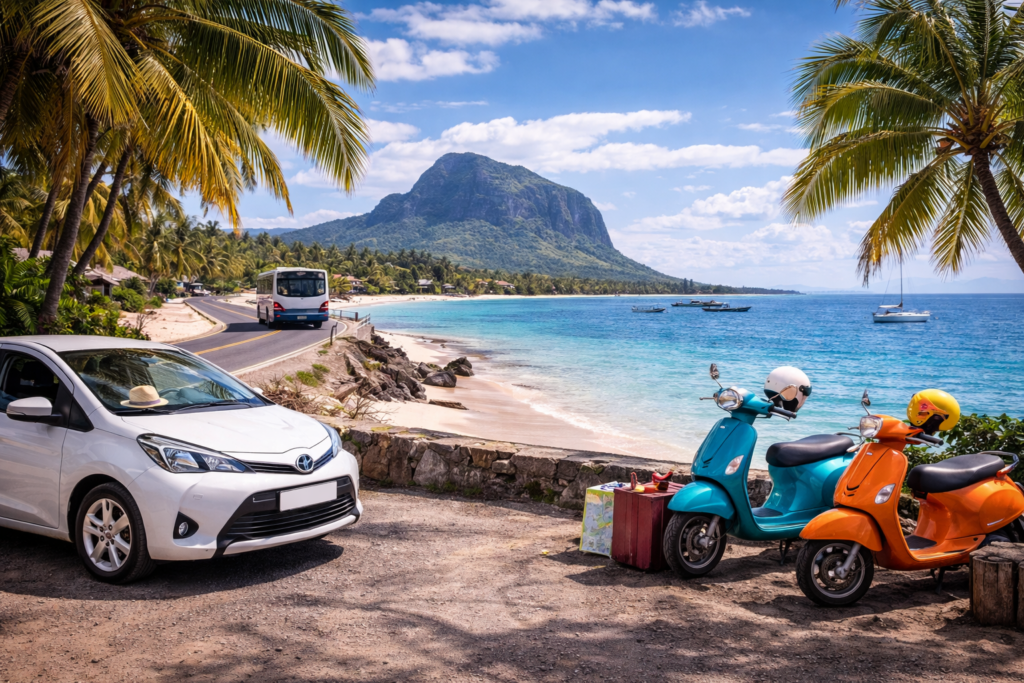
Car rental
Rs.3,000 – 5,000 per day
Private taxis or cabs
Rs.1,000 – 3,000 per day (for couples)
If you want flexibility, renting a car or using taxis is often the most convenient option for couples exploring at their own pace.
Sightseeing and Activities
This is where your trip gets exciting, with plenty of memorable experiences designed for couples exploring Mauritius together.
Ile aux Cerfs Island Excursion: Rs 6,000–12,000 for two, including boat transfers and optional water sports like parasailing or snorkelling.
Casela Nature Parks Entry & Activities: Rs 5,000–10,000 for two, depending on experiences such as safaris, ziplining, or animal encounters.
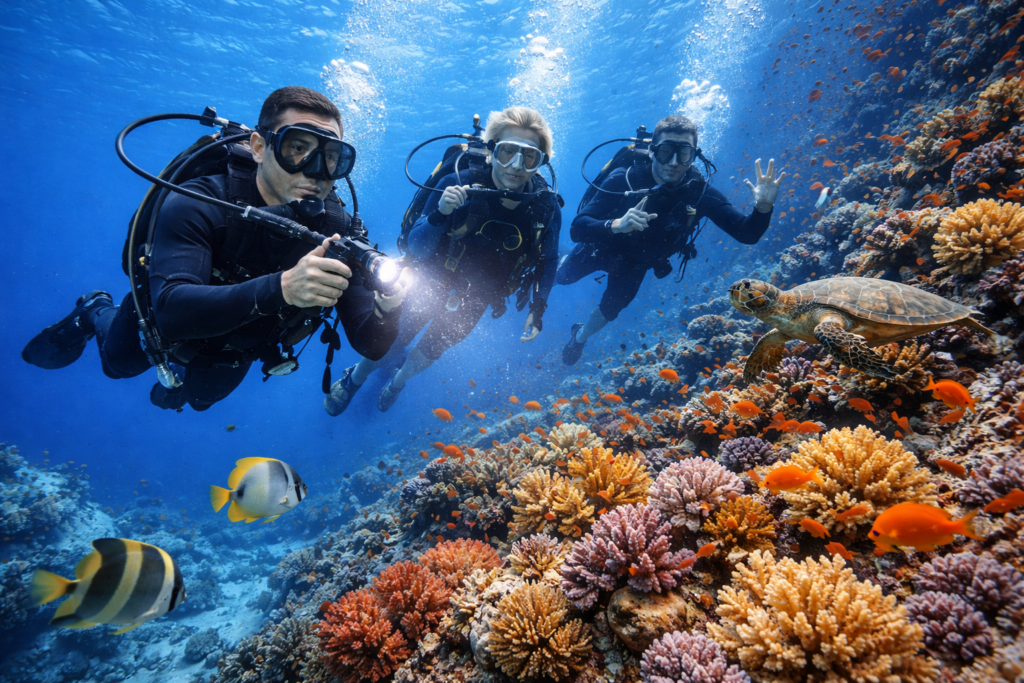
Undersea Walk/Scuba Diving: Rs 7,000–14,000 for two for guided underwater experiences and marine exploration.
Catamaran Cruise (with lunch): Rs 10,000–20,000 for two for a full-day sailing experience with meals and scenic views.
Chamarel Seven Coloured Earth & Waterfall: Rs 2,000–3,000 for two for entry and sightseeing of this unique natural attraction.
Estimated sightseeing budget: Couples typically spend around Rs 20,000–Rs 60,000 in total for activities and excursions during a 5–7-day trip, depending on the number of experiences included. This plays a significant role in shaping the overall Mauritius trip cost for couples from India.
Total Estimated Cost (For Couples for 5–7 Days)
Trip Type
Estimated Cost (INR)
Budget trip
Rs.120,000 – 180,000
Mid-range trip
Rs.180,000 – 300,000
Luxury trip
Rs.300,000 – 600,000+
If you are planning your trip and comparing different Mauritius tour packages, understanding the overall cost breakdown can help you choose the option that fits your budget and travel style. Whether you prefer a budget-friendly escape, a comfortable mid-range holiday or a luxury experience, here is an approximate cost guide for couples travelling from India.
So, What Is the Overall Cost?
Budget Trip (Rs 120,000 – Rs 180,000 for 2 people) This option works well for couples who want to keep things simple and affordable while still enjoying the beauty of Mauritius. It usually includes economy class flights, budget-friendly hotels or guesthouses, and meals at local restaurants or cafés. Transport is often managed through public buses or shared taxis, and activities are limited to a few selected experiences. While it may not include luxury elements, it still allows couples to enjoy beaches, local markets, and scenic spots at a relaxed pace, helping keep the Mauritius tour cost for couples from India within a reasonable budget.
Mid-range Trip (Rs 180,000 – Rs 300,000 for 2 people) This is the most preferred option for couples looking for a comfortable and well-balanced holiday. It typically includes better quality hotels or 4-star properties, offering more amenities and convenient locations. Meals are a mix of local dining and restaurant experiences, giving you a chance to explore different cuisines. Transport is more flexible with private taxis or rental cars, and you can include several activities such as island excursions, water sports, and guided tours. It offers a good mix of comfort, experiences, and value.
Luxury Trip (Rs 300,000 – Rs 600,000+ for 2 people) This category is designed for couples who want a more indulgent and memorable experience, especially for honeymoons or special occasions. It includes premium beachfront resorts or private villas with high-end amenities and scenic views. Dining often features fine restaurants and curated experiences, while transport is usually private and seamless. Activities can include exclusive experiences, such as catamaran cruises, spa treatments, and personalised tours. This option focuses on comfort, privacy, and creating a more refined travel experience, which reflects in a higher Mauritius couple trip cost.
Tips to Save Money
Plan and Book in Advance One of the easiest ways to reduce your overall travel cost is by booking flights and hotels early. Airfares tend to rise closer to travel dates, especially during peak seasons. Planning at least 2 to 3 months in advance can help you secure better deals and lower the Mauritius trip cost for couples from India.
Travel During the Off-season Visiting Mauritius during the shoulder or off-season months can make a noticeable difference in your budget. Flights and accommodation are usually cheaper, and you may also find attractive discounts on packages. This is a great way to enjoy the destination with fewer crowds while saving money.
Choose the Right Accommodation Instead of opting for luxury resorts throughout your stay, consider mixing mid-range hotels or guesthouses with one or two nights in a premium property. This helps you experience comfort without significantly increasing the Mauritius tour cost for a couple from India.
Use Public Transport or Shared Options Mauritius has a reliable and affordable public bus system that connects most parts of the island. Using buses or shared taxis for short distances can help cut down transport costs compared to private cabs.
Opt for Package Deals Many travel packages include flights, accommodation, meals, and selected activities at a bundled price. These packages often work out cheaper than booking everything separately and can help you better manage your budget.
Eat Like a Local Dining at local eateries and trying street food is not only budget-friendly but also a great way to experience Mauritian flavours. Limiting meals at resort restaurants can help you save a significant amount over the course of your trip.
Be Selective with Activities While Mauritius offers many exciting experiences, you do not need to do everything. Choose a few key activities that interest you the most instead of booking multiple expensive tours. This helps control your spending while still making the trip memorable and keeps your overall Mauritius couple trip cost in check.
How much does it cost to take a couple to Mauritius?
The Mauritius tour cost for a couple from India generally ranges between Rs 1,20,000 and Rs 6,00,000 for a 5 to 7-day trip, depending on your travel style. Budget travellers can opt for guesthouses, local meals, and limited activities, while mid-range travellers may choose 4-star hotels and include tours and experiences. Luxury trips include premium resorts, private transfers, and curated experiences. Flights, accommodation, and activities together make up the majority of the total cost.
Is 7 days enough for Mauritius?
Yes, 7 days is considered an ideal duration to explore Mauritius at a relaxed pace. You can spend time at beaches, enjoy water sports, take day trips like Ile aux Cerfs, and visit attractions such as Chamarel or Port Louis. The Mauritius trip cost for couples from India also fits well within this timeframe, allowing you to include a mix of sightseeing and leisure without significantly increasing your overall expenses.
Is Mauritius visa-free for Indians?
Yes, Mauritius offers visa-free entry for Indian citizens for stays of up to 60 days, which makes travel planning simple and hassle-free. You only need a valid passport, return tickets, and proof of accommodation. This also helps reduce the Mauritius couple trip cost, as you do not need to budget for visa fees. It is one of the reasons why Mauritius is a popular international destination for Indian couples.
Which is cheaper, Maldives or Mauritius?
Mauritius is generally more affordable compared to the Maldives, especially for Indian travellers. The Maldives is known for its luxury island resorts, which can be expensive, while Mauritius offers a wider range of accommodation and activities. The Mauritius tour cost for a couple from India is more flexible, allowing couples to plan a trip based on their budget, whether they prefer a simple holiday or a more luxurious experience.
What is the best time to visit Mauritius from India?
The best time to visit Mauritius is from May to November, when the weather is cooler, less humid, and ideal for outdoor activities. This period is great for sightseeing, beach time, and water sports. Planning your trip during shoulder months can also help reduce the Mauritius trip cost for couples from India, as flight and hotel prices are often lower than during peak holiday seasons like December and New Year.
How many days are ideal for a Mauritius trip for couples?
A 5 to 7-day trip is ideal for couples who want to explore Mauritius without rushing. This duration allows you to cover key attractions, relax on the beaches, and enjoy a few activities like cruises or nature park visits. The Mauritius couple trip cost is also easier to manage within this timeframe, as you can plan a well-balanced itinerary without extending your stay unnecessarily.
Are Mauritius packages from India worth it for couples?
Yes, Mauritius packages can be a great option for couples, especially if you want a hassle-free experience. These packages often include flights, accommodation, meals, and some activities, making them convenient and cost-effective. Choosing a package can help control the Mauritius tour cost for a couple from India, as bundled deals are often cheaper than booking each component separately, particularly during promotional offers.
Is Mauritius expensive for Indian couples?
Mauritius can be as affordable or as luxurious as you want it to be. While high-end resorts and fine dining can increase costs, there are plenty of budget and mid-range options available. The Mauritius trip cost for couples from India depends on your choices, including where you stay, what you eat, and how many activities you include. With proper planning, couples can enjoy a memorable trip without exceeding their budget.
What currency is used in Mauritius, and is it expensive?
Mauritius uses the Mauritian Rupee (MUR), and while some imported goods and luxury experiences may seem expensive, many local options are reasonably priced. Eating at local restaurants and using public transport can help you save money. Managing your expenses wisely can keep the Mauritius couple trip cost under control, making the destination accessible for both budget and mid-range travellers.
Can couples travel to Mauritius on a budget?
Yes, couples can easily plan a budget-friendly trip to Mauritius with the right approach. Choosing guesthouses instead of luxury resorts, eating at local eateries, and limiting expensive activities can significantly reduce costs. The Mauritius tour cost for a couple from India can be kept within a reasonable range if you prioritise experiences wisely, allowing you to enjoy the island without compromising too much comfort.
Planning an international holiday doesn’t always have to be expensive. A Malaysia trip cost from India is quite affordable, making it a popular choice among Indian travelers. Whether you are traveling solo, with family, or planning a honeymoon, Malaysia offers a great mix of city life, beaches, and culture at a reasonable price.
In this guide, you will find a complete breakdown of costs including flights, hotels, food, and daily expenses to help you plan your trip efficiently.
Malaysia Tour Cost from India: Overview
Before diving into detailed expenses, it is important to understand the overall budget range. Your total trip cost will depend on factors like travel duration, accommodation type, and personal spending habits.
Here is a quick estimate to give you a clear idea:
Trip Type
Estimated Cost (Per Person)
Budget Trip
₹35,000 – ₹60,000
Mid-range Trip
₹60,000 – ₹1,00,000
Luxury Trip
₹1,00,000+
A 5–7 day trip is ideal for exploring Malaysia comfortably without overspending. If you are planning your trip, choosing a Malaysia tour package can help you manage your budget and itinerary more efficiently.
Detailed Cost Breakdown for a Trip to Malaysia from India
1. Flights from India to Malaysia
Flights are usually the biggest contributor to your Malaysia trip cost from India. The total airfare depends on your departure city, travel season, and how early you book.
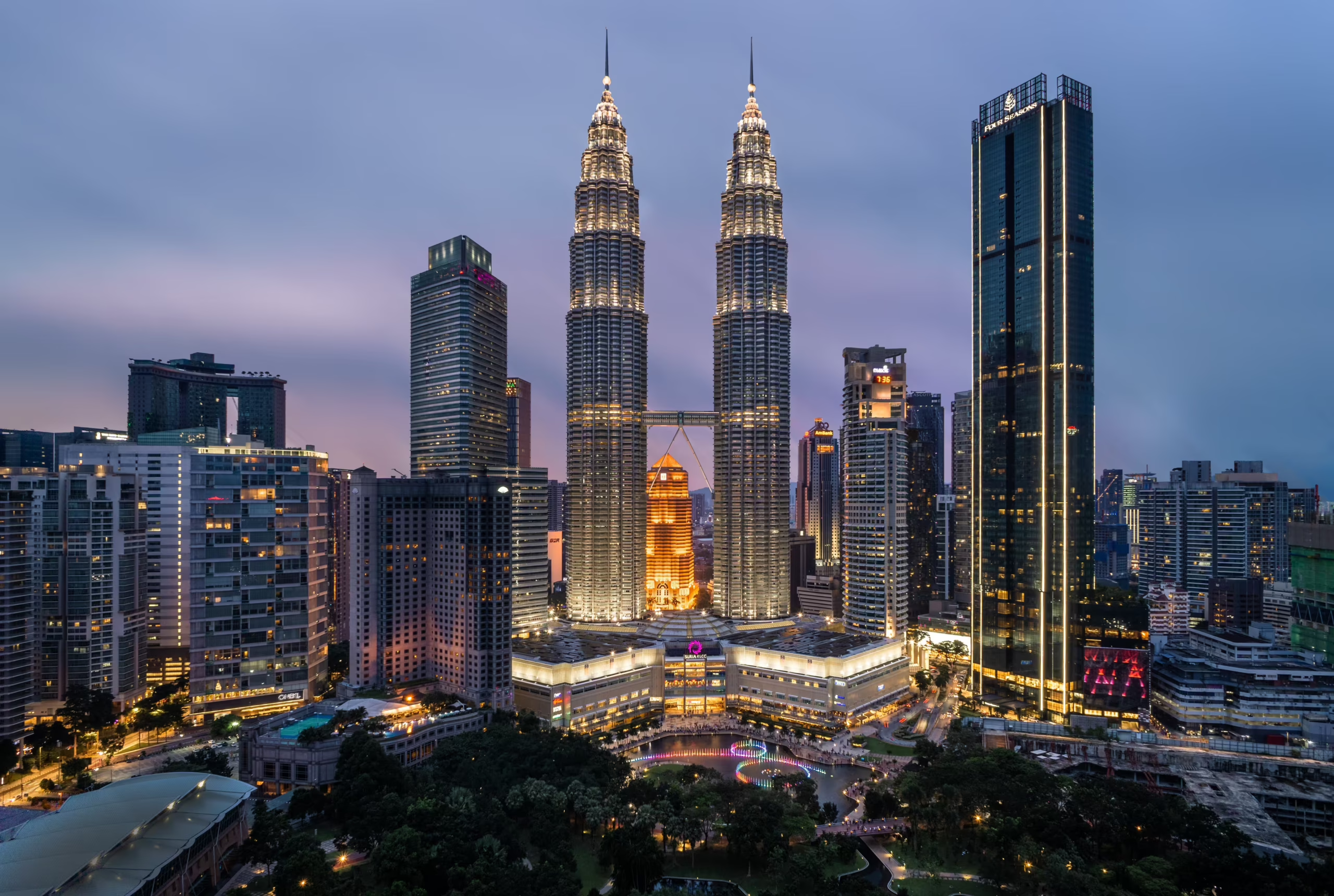
Major Indian cities like Delhi, Mumbai, Chennai, and Bangalore offer frequent connectivity to Malaysia, especially to Kuala Lumpur. Direct flights are available from key metro cities, while smaller cities may require a layover.
Here’s a detailed breakdown:
Departure City
Flight Type
Cost Range
Delhi
Direct
₹18,000 – ₹25,000
Mumbai
Direct
₹15,000 – ₹22,000
Chennai
Direct
₹12,000 – ₹20,000
Bangalore
Direct / Connecting
₹15,000 – ₹25,000
Other Cities
Connecting
₹18,000 – ₹30,000
Booking your tickets at least 4–6 weeks in advance and choosing weekday departures can help you secure better deals and reduce your overall Malaysia tour cost from India.
2. Visa Cost for Indians
Indian travelers need a tourist visa to visit Malaysia. The process is simple and can be completed online or through authorized agents, making it convenient even for last-minute travel plans.
The cost of a Malaysian tourist visa for Indians typically ranges between ₹3,500 and ₹5,000, depending on the processing service and type of application.
In most cases, the visa is processed within a few working days, so you do not need to worry about long waiting periods while planning your trip.
3. Accommodation Cost in Malaysia
Accommodation plays a major role in shaping your Malaysia travel budget. The country offers a wide range of options, from budget hostels to luxury beachfront resorts.
Here’s what you can expect to pay per night:
Hotel Type
Price Per Night
Budget
₹700 – ₹2,000
Mid-range
₹2,000 – ₹5,000
Luxury
₹5,000+
Choosing centrally located hotels can help you save on transportation costs.
4. Food & Dining Expenses
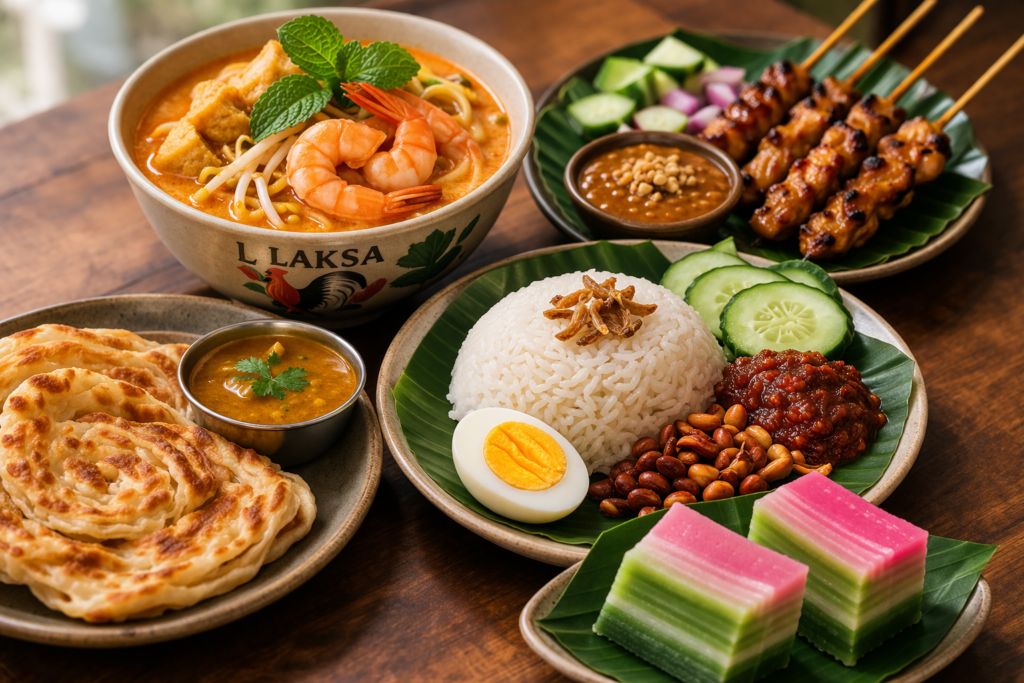
Malaysia is known for its diverse and affordable food scene. From street food stalls to high-end restaurants, there is something for every budget.
Here’s a rough daily food expense:
Type
Cost Per Day
Budget (street food)
₹300 – ₹800
Mid-range dining
₹800 – ₹1,500
Fine dining
₹2,000+
Trying local dishes not only saves money but also enhances your travel experience.
5. Local Transport Cost
Transportation within Malaysia is efficient and economical. Cities like Kuala Lumpur have excellent public transport systems, while ride-hailing apps are widely available.
Here’s an estimate of daily transport expenses:
Transport Type
Daily Cost
Public Transport
₹500 – ₹1,000
Taxi / Grab
₹800 – ₹1,500
Using metro and buses is the most cost-effective way to get around.
6. Sightseeing & Activities
Your trip to Malaysia will include various attractions such as theme parks, islands, and cultural landmarks. Costs will vary depending on the activities you choose.
Here’s a general idea:
Activity Type
Cost
Entry tickets
₹300 – ₹1,000
Tours & experiences
₹1,000 – ₹5,000
Booking tickets online in advance can sometimes help you save money.
7. Miscellaneous Expenses
Apart from major expenses, you should also allocate a budget for shopping, travel insurance, and unexpected costs.
Here’s a rough estimate:
Category
Budget
Shopping
₹2,000 – ₹5,000
Travel Insurance
₹500 – ₹1,500
Keeping a buffer budget ensures you do not overspend.
Total Estimated Cost for 7 Days
To give you a clearer picture, here is a combined estimate of all expenses for a 7-day trip to Malaysia.
Expense Category
Approx Cost
Flights
₹20,000
Visa
₹3,500
Hotels
₹14,000
Food
₹7,000
Transport
₹3,000
Activities
₹5,000
Miscellaneous
₹5,000
Total Cost
₹55,000 – ₹70,000
This budget makes Malaysia one of the most affordable international destinations for Indian travelers.
Money-Saving Tips for Malaysia Trip
Planning smartly can significantly reduce your Malaysia trip expenses. Here are some practical tips:
Book flights early to get cheaper fares
Travel during off-season months for lower prices
Use public transport instead of taxis
Eat at local food stalls instead of restaurants
Look for combo attraction tickets
Is Malaysia Expensive for Indians?
Malaysia is considered budget-friendly compared to many international destinations. With proper planning, the cost of Malaysia trip for Indians can be managed easily within ₹60,000 to ₹70,000.
Final Thoughts
A well-planned Malaysia trip cost from India offers excellent value for money. With affordable flights, budget-friendly food, and diverse attractions, Malaysia is perfect for both first-time and frequent travelers.
Whether you choose a package or plan independently, understanding the Malaysia package cost from India and individual expenses will help you make the most of your trip without overspending.
FAQs
What is the average Malaysia trip cost from India?
The average Malaysia trip cost from India ranges between ₹50,000 to ₹70,000 per person for a 5 to 7-day trip. This includes flights, hotels, food, local transport, and basic sightseeing.
Is Malaysia expensive for Indian tourists?
No, Malaysia is considered budget-friendly compared to many international destinations. With proper planning, the cost of Malaysia trip for Indians can be quite affordable, especially if you choose budget hotels and local food.
Do Indians need a visa for Malaysia?
Yes, Indian travelers require a tourist visa to visit Malaysia. The process is simple and can be completed online, making it convenient for planning your Malaysia trip cost from India.
How much does a flight to Malaysia cost from India?
Flight costs usually range between ₹15,000 to ₹25,000 for a round trip, depending on the departure city and booking time. This is a major part of your overall Malaysia travel budget.
How many days are enough for a Malaysia trip?
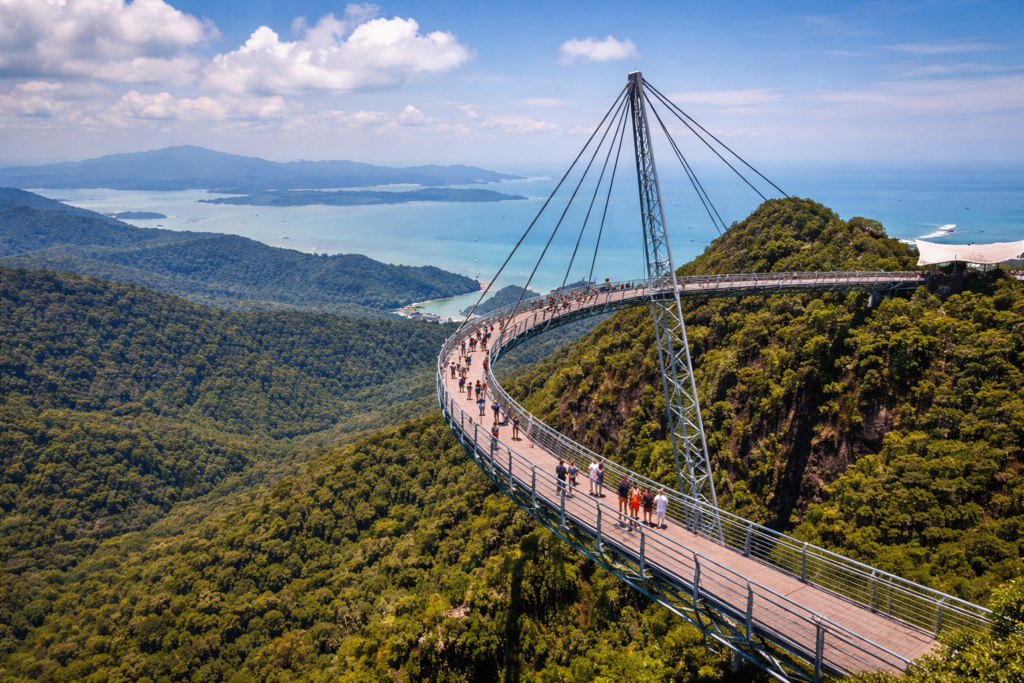
A 5 to 7-day trip is ideal to explore major attractions like Kuala Lumpur, Langkawi, and Genting Highlands while keeping your Malaysia package cost from India within budget.
Mauritius is a dream island destination for Indian travellers, known for its turquoise lagoons, white sandy beaches, luxury resorts, and vibrant Creole culture.
Whether you are planning a honeymoon, family vacation, or a short tropical getaway, understanding the Mauritius visa for Indians process is essential before travel.
The good news is that Mauritius offers a relatively simple, traveller-friendly entry system for Indian citizens. Unlike many international destinations, Mauritius allows visa-free entry for short stays, making it an attractive and hassle-free option.
The Mauritius visa process is straightforward, especially for tourists visiting for leisure. However, travellers must still meet specific entry conditions, including valid documentation, returning tickets, and proof of sufficient funds.
Immigration authorities may verify these upon arrival. Proper preparation ensures a smooth entry experience without delays or complications.
This guide walks you through everything you need to know about the Mauritius visa requirement, including eligibility, documents, entry procedures, and important travel tips for Indian applicants.
Need of Mauritius Visa for Indians
Indian passport holders do not require a pre-approved visa for short visits to Mauritius. Instead, they are granted a visa on arrival, making the Mauritius visa process for Indians simple and convenient.
This visa is typically issued for tourism purposes and allows a stay of up to 60 days, extendable under certain conditions.
However, even though prior approval is not needed, travellers must meet the Mauritius visa requirement during immigration. This includes carrying a valid passport, confirmed return tickets, accommodation proof, and sufficient financial means. Immigration officers have the authority to grant or deny entry based on these documents.
It is important to note that for long-term stays such as work, study, or residence, a proper Mauritius visa must be applied for in advance through official channels. There is no visa-free entry for such purposes.
Types of Mauritius Visas Available
Depending on your purpose of travel, different visa options are available:
Tourist Visa (Visa on Arrival): The most common visa, allowing stays up to 60 days for leisure, sightseeing, or short holidays.
Business Visa: Required for attending meetings, conferences, or professional engagements. This type of permit falls under a short-stay visa category.
Visit Visa (Family & Friends): This visa is for Indians visiting relatives or acquaintances and is subject to the standard Mauritius visa requirements.
Student and Work Visa: Required for long-term stays beyond 60 days, involving a more detailed application and approval process.
Each visa type has specific documentation needs, but short-term tourist travel remains the easiest and most popular option.
Mauritius Visa Requirements
Although no pre-approval is required, travellers must meet strict entry conditions under the guidelines for Mauritius visa requirements. Immigration authorities may ask for the following:
Essential Documents:
1. Valid Passport
Must be valid for the duration of stay
At least one blank page
2. Return or Onward Flight Ticket
Proof of departure from Mauritius
3. Accommodation Proof
Hotel booking or host details
4. Proof of Financial Means
Approx. $100 per day of stay
5. Travel Itinerary
Basic plan of activities during your trip
6. Travel Insurance (Recommended)
Not mandatory but advisable for safety
Failure to meet these conditions for a Mauritius visa may result in denial of entry at immigration.
Mauritius Visa Appointment: How to Book
For short tourist visits, there is no need for a Mauritius visa appointment, as the visa is issued on arrival. This makes the process significantly easier compared to Schengen or other visas.
However, for long-term visas (work, study, residence), applicants may need to schedule a Mauritius visa appointment through the Mauritius High Commission or authorised agencies.
Steps (for long-term visas)
Visit the official Mauritius immigration or embassy website
Fill out the application form
Book a Mauritius visa appointment if required
Submit documents and attend verification
Important Tips
Tourist travellers do not need prior appointments
Ensure all documents are ready before departure
Keep printed copies for immigration checks
Mauritius Visa Application Process
For short stays, the Mauritius visa for Indians is processed upon arrival at the airport.
At Immigration
Present passport and travel documents
Submit return ticket and accommodation proof
Answer basic travel-related questions
At the Airport
Document verification
Entry stamp issued (visa on arrival)
Duration of stay granted
For long-term stays, the Mauritius visa must be approved before travel through official application procedures.
Processing Time
For tourist travel, there is no processing time, as the Mauritius visa for Indians is issued instantly on arrival.
For long-term visas:
Processing may take 1 to 4 weeks depending on visa type
Delays may occur during peak application periods
Fees & Charges
Tourist Visa (on arrival): Free
Long-term Mauritius Visa fees vary based on category
Additional charges may apply for processing or documentation
Always verify the latest fee structure before applying for long-term visas.
What Happens After Entry
Once you receive your entry stamp under the Mauritius visa for Indians, check:
Duration of stay granted
Entry conditions
Exit date
Ensure you do not overstay, as it may lead to penalties or future travel restrictions.
Common Mistakes to Avoid
Do not travel without confirmed return tickets
Not carrying accommodation proof
Insufficient financial evidence under Mauritius visa requirement
Please do not assume that ‘visa-free’ means no documentation needed
Overstaying the permitted duration
Quick Tips for Indian Travellers
Carry printed copies of all travel documents
Keep sufficient funds proof ready
Book accommodations in advance
Follow immigration instructions carefully
Stay updated with latest Mauritius visa rules before travel
FAQ’s Related to Mauritius Visa
1.Do Indians need a visa for Mauritius?
Indian citizens do not need to apply for a visa in advance for short tourist visits. The Mauritius visa for Indians is granted on arrival at the airport, making it a hassle-free process.
However, travellers must carry essential documents, such as a valid passport, a return ticket, accommodation proof, and sufficient funds. Immigration authorities verify these before granting entry.
While the process is simple, failing to meet the entry requirements can result in denial, so proper preparation is important before travelling.
2. How long can Indians stay in Mauritius without a visa?
Under the visa-on-arrival system, Indian travellers can stay in Mauritius for up to 60 days. The Mauritius Visa issued at entry allows short-term tourism and leisure travel.
In some cases, extensions may be granted depending on approval from immigration authorities. However, travellers must ensure they do not overstay the permitted duration, as the violation may lead to penalties or travel restrictions. Always check the exact duration mentioned on your entry stamp.
3. What documents are required for a Mauritius visa on arrival?
To meet the Mauritius visa requirement, travellers must carry a valid passport, return or onwards ticket, confirmed accommodation, and proof of sufficient funds.
Immigration officers may also ask for a travel itinerary or additional details about your stay.
Although no prior visa application is required, these documents are mandatory for entry approval. Keeping printed copies of all documents ensures a smooth process at the airport.
4. Is Mauritius visa-free for Indians?
Mauritius is often considered visa-free for Indians, but technically it offers a visa on arrival. The Mauritius visa for Indians is issued at the airport without prior application, making it very convenient.
However, travellers must still meet all entry requirements and provide necessary documents. It is important not to confuse visa-free entry with unrestricted travel, as immigration checks are still mandatory.
5. Is a Mauritius visa appointment required for Indians?
No, Indian travellers do not need to book a Mauritius visa appointment for short tourist visits. The visa is issued directly upon arrival in Mauritius.
However, if you are applying for long-term visas such as work or study permits, you may need to schedule a visa appointment through the embassy or authorised centres. For most tourists, the process remains simple and appointment-free.
6. What is the processing time for a Mauritius visa?
There is no processing time for short-term travel, as the Mauritius visa for Indians is issued instantly on arrival. Once your documents are verified at immigration, you receive an entry stamp allowing your stay.
For long-term visas such as work or study, processing may take between 1 and 4 weeks depending on the application type. It is always advisable to apply early for such visas.
7. How much bank balance is required for a Mauritius visa?
To meet the Mauritius visa requirement, travellers should have proof of sufficient funds, typically around $100 per day of stay. This ensures that visitors can support themselves during their trip.
Immigration officers may request bank statements, cash, or card proof. While there is no fixed rule, maintaining adequate financial proof increases your chances of smooth entry.
8. Can I extend my Mauritius visa on arrival?
Yes, extensions may be possible depending on approval from immigration authorities. The Mauritius Visa initially granted allows up to 60 days, but you can apply for an extension before your stay expires.
Approval is subject to valid reasons and supporting documents. It is important to apply early and avoid overstaying, as this can result in penalties or future travel issues.
9. What are common reasons for Mauritius visa rejection?
Even though the process is simple, entry can be denied if travellers fail to meet the Mauritius visa requirement.
Common reasons include lack of return tickets, insufficient funds, missing accommodation proof, or unclear travel purpose.
Immigration officers assess each traveller individually. To avoid issues, ensure all documents are complete and accurate before departure.
10. Is Mauritius a popular destination for Indian tourists?
Yes, Mauritius is one of the most popular international destinations for Indian travellers. The ease of the Mauritius visa process for Indians, along with beautiful beaches, luxury resorts, and cultural familiarity, makes it highly attractive.
With no pre-visa application required, travellers can easily plan trips. The country offers a perfect mix of relaxation, adventure, and affordability, making it ideal for holidays and honeymoons.
11. Can I speak Hindi in Mauritius?
Yes, Hindi is widely understood and spoken in Mauritius, especially among the Indian-origin population. Many locals also speak Bhojpuri, which is closely related to Hindi, along with English and French as official languages.
Tourists from India usually face no communication barriers, particularly in markets, hotels, and tourist areas. This makes travelling easier and more comfortable. Along with the simple Mauritius visa for Indians process, language familiarity is one of the key reasons why Mauritius is a preferred destination for Indian travellers.
12. Which month is best for Mauritius?
The best time to visit Mauritius is between May and November, when the weather is cooler, drier, and ideal for outdoor activities like beach visits and sightseeing.
These months offer pleasant temperatures, low humidity, and clear skies, making them perfect for tourism.
December to April is warmer and more humid, with occasional rainfall. Regardless of when you travel, planning is easy due to the hassle-free Mauritius Visa process, which allows Indian travellers to enjoy the island without complicated visa procedures.
As global travel patterns continue to shift due to geopolitical concerns, economic changes, and regional conflicts, many travellers are becoming more cautious about choosing their next international destination. A common question that arises today is: Is Vietnam safe for tourists?
For Indian travellers especially, safety, affordability, and ease of travel are key decision factors. Vietnam stands out as a destination that not only offers stunning landscapes and rich culture but also maintains a strong reputation for stability and tourist safety, even during periods of global uncertainty.
Why Vietnam Remains Safe Amid Global Uncertainty
1. Political Stability and Neutral Global Position
Vietnam maintains a balanced international stance and is not directly involved in global conflicts. This ensures that internal conditions remain stable and tourism continues without disruption.
For Indian travellers, this means:
No major travel disruptions
Consistent visa policies
Safe intercity travel
2. Low Crime Rate for Tourists
Vietnam is generally safe when it comes to tourist-related crime. While petty issues like pickpocketing can occur in crowded markets, violent crime is rare.
Major cities such as Hanoi, Ho Chi Minh City, and Da Nang are well-developed, with visible security and safe public areas.
3. Presence of Safe and Tourist-Friendly Destinations
Another key reason why Vietnam is considered safe is the availability of destinations that are known for their peaceful atmosphere and secure environment.
Many parts of Vietnam are designed to be easy to explore, even for first-time international travellers from India.
Flight Connectivity from India to Vietnam
One of the biggest advantages for Indian travellers is how easy it has become to reach Vietnam.
Direct and Connecting Flights
Flights are available from major Indian cities such as:
Delhi
Mumbai
Bangalore
Kolkata
Common entry points in Vietnam include:
Hanoi
Ho Chi Minh City
Da Nang
Travel Convenience for Indians
Flight duration is around 4 to 6 hours (direct)
Affordable airfare compared to other international destinations
Multiple airline options available
Easy multi-city travel within Vietnam
This improved connectivity makes Vietnam a practical and stress-free international trip option.
Safest Places to Visit in Vietnam for Indian Travellers
Choosing the right destinations can further enhance your travel experience. These places are widely known for their safety, accessibility, and comfort.
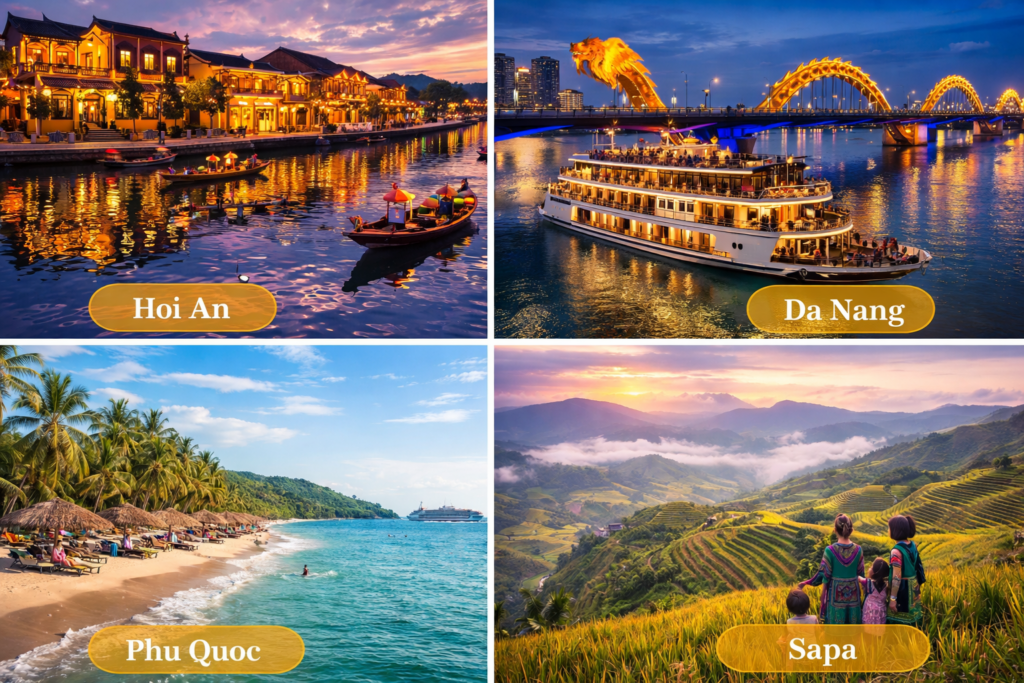
Hoi An
A quiet heritage town with minimal traffic and a relaxed vibe, perfect for slow travel.
Things to do:
Walk through lantern-lit Old Town streets
Enjoy riverside cafés and local markets
Take a traditional boat ride
Da Nang
A clean and modern coastal city with organised infrastructure and safer roads.
Things to do:
Relax at My Khe Beach
Visit Ba Na Hills and Golden Bridge
Watch the Dragon Bridge show
Phu Quoc
A peaceful island destination ideal for travellers looking for a calm and secure environment.
Things to do:
Spend time at beach resorts
Go snorkeling or island hopping
Explore local night markets
Sapa
A scenic mountain region known for its calm surroundings and guided trekking experiences.
Things to do:
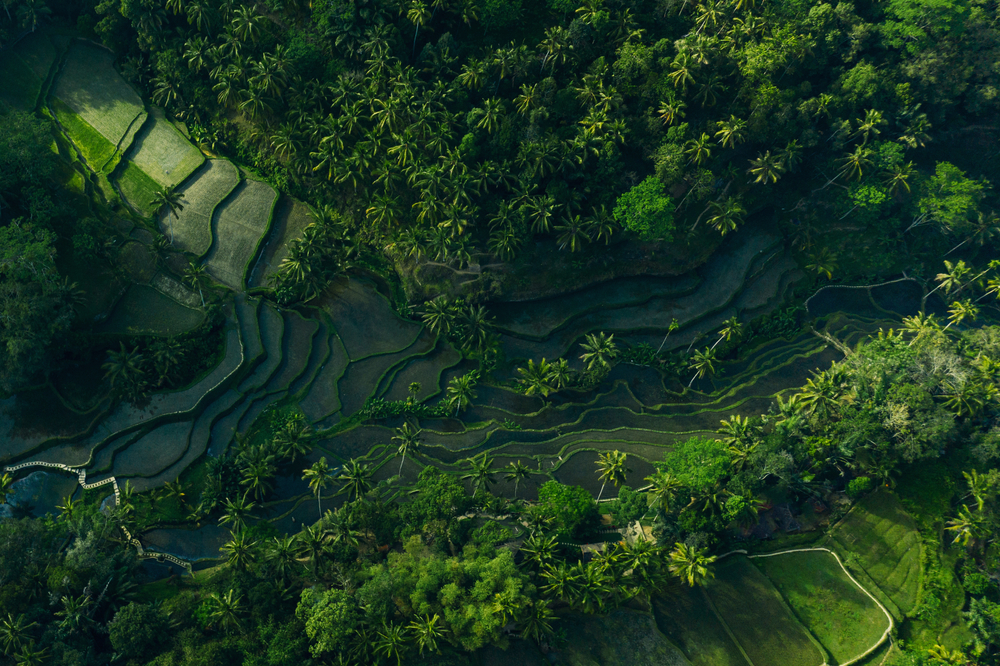
Trek through rice terraces
Visit local ethnic villages
Take the Fansipan cable car
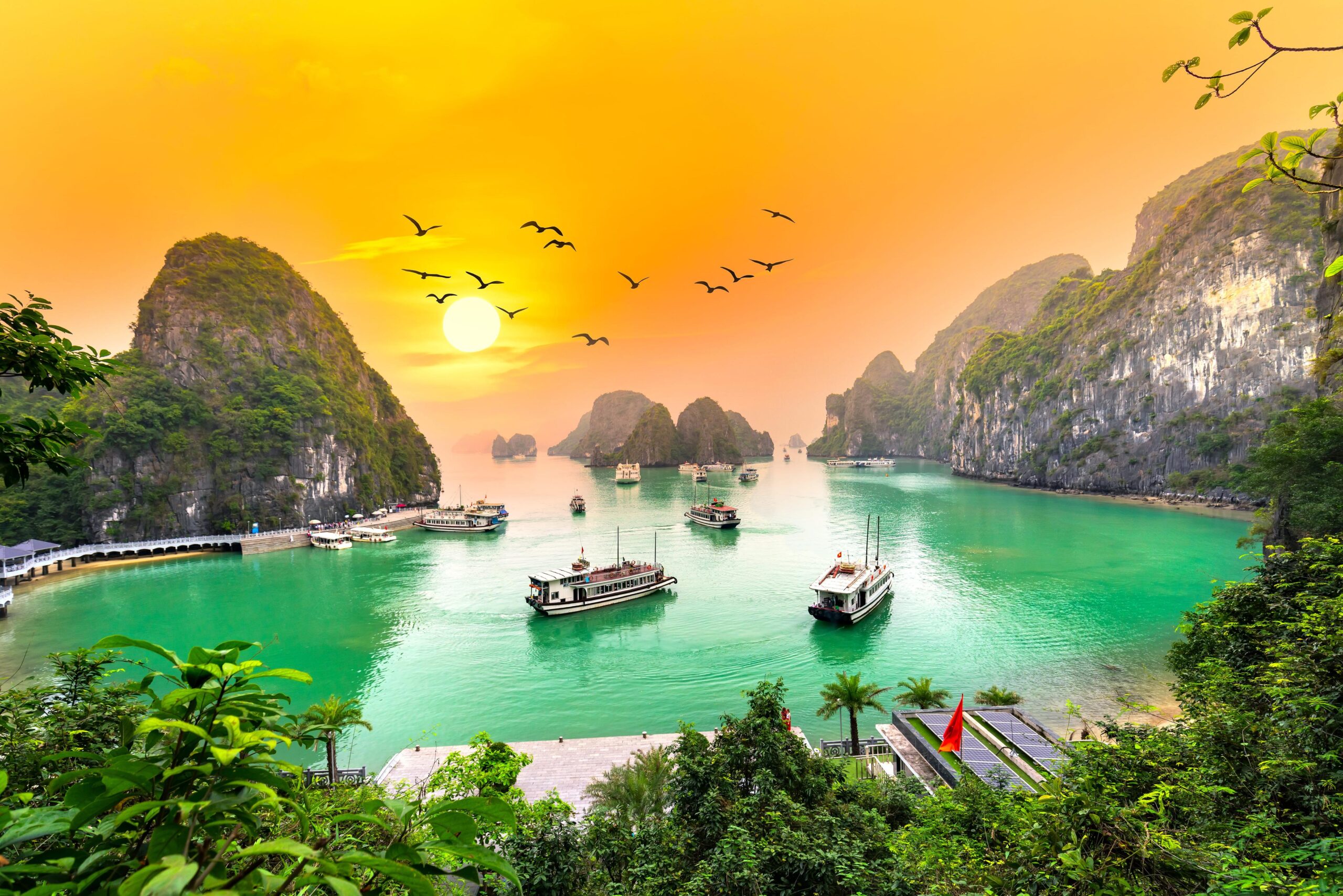
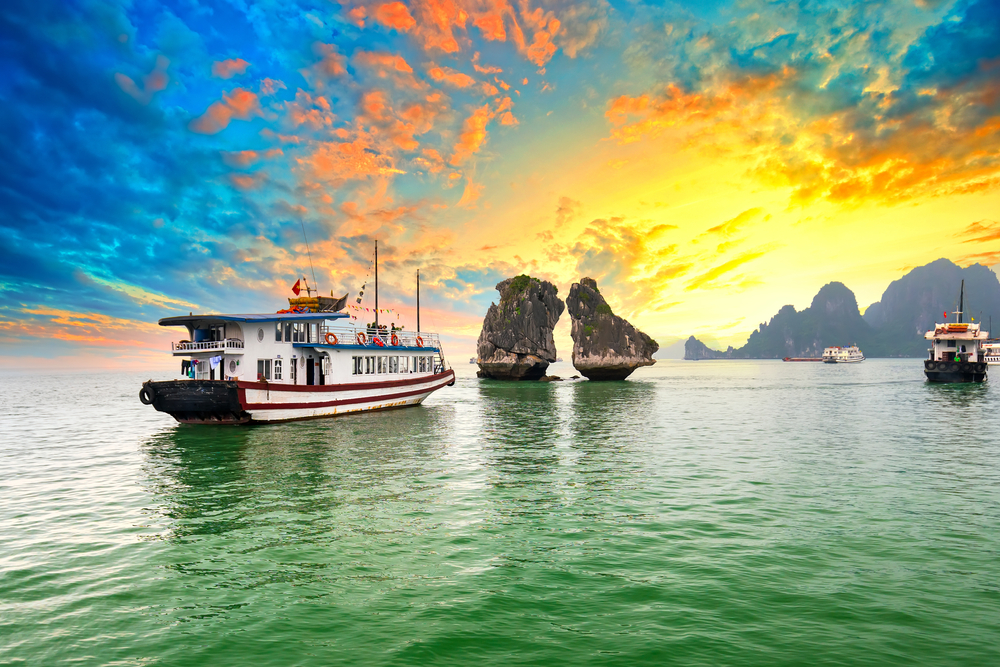
A well-regulated tourism zone offering safe and organised cruise experiences.
Things to do:
Stay overnight on a cruise
Kayak through limestone caves
Enjoy panoramic sunset views
Safety Tips for Indian Travellers Visiting Vietnam
While Vietnam is safe, following basic precautions ensures a smoother trip:
Stay Alert in Crowded Areas
Keep your belongings secure in busy places like night markets and tourist streets.
Use Trusted Transport Options
Prefer:
Ride-hailing apps
Hotel-arranged taxis
Verified transport services
Carry Essentials
Passport copies
Travel insurance
Emergency contacts
Respect Local Laws and Culture
Dress modestly in temples and follow local customs to avoid unnecessary issues.
Why Indian Travellers Should Consider Vietnam Now
For Indians planning an international trip, Vietnam offers the perfect combination of:
Safety
Budget-friendly travel
Cultural richness
Scenic beauty
Additionally, travelling during periods of global uncertainty means fewer crowds, better deals, and a more relaxed experience.
So, is Vietnam safe for tourists amid global uncertainty? The answer is a confident yes.
Vietnam continues to provide a stable, welcoming, and secure environment for travellers, making it an excellent choice for Indian tourists looking for a reliable international destination. With proper planning and basic precautions, a trip to Vietnam can be both safe and unforgettable.
FAQs
Is Vietnam safe for Indian travellers?
Vietnam is considered very safe for Indian travellers. Tourist areas are well-developed, locals are welcoming, and travel infrastructure is reliable, making it easy and comfortable to explore the country.
What are the safest places to visit in Vietnam?
Some of the safest places in Vietnam include Hoi An, Da Nang, Phu Quoc, Sapa, and Halong Bay. These destinations are known for their peaceful environment, low crime rates, and tourist-friendly atmosphere.
Are there any safety concerns for tourists in Vietnam?
Vietnam is generally safe, but travellers should be cautious of minor issues like pickpocketing in crowded areas. Using trusted transport and staying alert can help ensure a smooth trip.
Do Indians need a visa to travel to Vietnam?
Yes, Indian travellers need a visa to visit Vietnam. The process is simple through the Vietnam e-visa system, which can be applied online and usually gets approved within a few working days.
How is the flight connectivity from India to Vietnam?
Flight connectivity from India to Vietnam is convenient, with direct and connecting flights available from cities like Delhi, Mumbai, Bangalore, and Kolkata. Travel time is around 4 to 6 hours for direct flights, making it an easily accessible international destination.
Dreaming of snow-capped Alps, turquoise lakes and postcard villages, but worried about expenses? A Switzerland budget trip proves that exploring this spectacular country does not always require a luxury budget.
With smart planning and a few clever choices, travellers can experience the charm of Switzerland without overspending.
From scenic train journeys through mountain valleys to peaceful lakeside towns, Switzerland offers experiences that feel straight out of a travel magazine.
The country is famous for its pristine landscapes, historic cities and well-organised transport system, making it surprisingly easy for visitors to explore multiple destinations within a short time.
Many travellers begin their research by understanding the Switzerland trip cost and how expenses are distributed across accommodation, food, transport and sightseeing. While Switzerland is known for being expensive, travellers often discover that planning helps manage costs more efficiently.
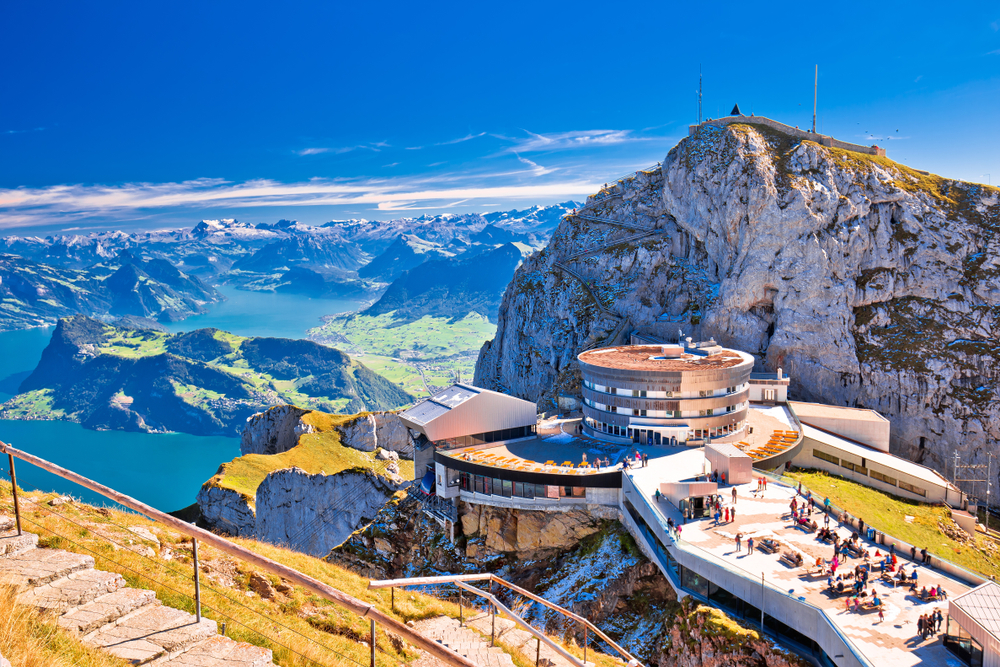
Cities like Zurich, Lucerne and Interlaken offer breathtaking scenery, charming old towns and easy access to the Swiss Alps. Even with a modest budget, visitors can enjoy cable car views, scenic train routes and unforgettable alpine landscapes that make Switzerland one of Europe’s most magical destinations.
With the right planning, a budget trip to Switzerland becomes far more achievable than many people expect. Choosing the right travel season, using rail passes wisely and selecting affordable stays can significantly reduce overall travel expenses while still delivering a memorable experience.
This is where a well-planned budget itinerary can make all the difference. From practical money-saving tips to smart destination choices, the right approach allows travellers to explore Switzerland’s beauty while keeping their travel plans comfortably within budget.
Why Switzerland Is Often Considered Expensive?
Switzerland has a reputation for being one of Europe’s most expensive destinations. However, understanding where the costs come from helps travellers plan a smarter Switzerland budget trip without missing out on the country’s breathtaking landscapes and iconic experiences.
High Cost of Living: Switzerland has one of the highest living costs in Europe. Salaries, rent and everyday services are expensive, which naturally increases prices for restaurants, public transport and accommodation. This is why travellers often notice higher prices for simple things like meals, coffee or local transport compared to many other European countries.
Premium Tourism Infrastructure: The country offers world-class travel infrastructure such as scenic trains, mountain railways and well-maintained tourist facilities. Experiences like cable cars, panoramic train journeys and alpine excursions are unforgettable but can add to the overall Switzerland trip cost for visitors exploring the country.
Luxury Travel Image: Switzerland is often promoted with luxury resorts, high-end hotels and expensive ski destinations. This creates the perception that travelling here always requires a large budget. In reality, with careful planning, a budget trip to Switzerland is still possible using affordable stays, travel passes and off-season travel.
Best Time to Plan a Switzerland Budget Trip
Planning the right travel season plays a big role in making a Switzerland budget trip affordable and enjoyable. Prices for flights, hotels and activities change throughout the year, so choosing the right months can help travellers experience Switzerland’s stunning mountains, lakes and cities without straining their budget
Cheapest Months to Visit
November, early December, March and early April are usually the most affordable months.
Hotel rates and flight prices drop significantly compared to peak summer.
Fewer tourists mean easier sightseeing and quieter cities like Zurich and Lucerne.
Shoulder Season Advantages
April-May and September-October offer pleasant weather and smaller crowds.
Accommodation prices are lower than in summer, but most attractions remain open.
Perfect balance between good weather and a manageable Switzerland trip cost.
Winter vs Summer Travel Costs
June to August is peak season with the highest hotel and activity prices.
Winter months (January-February) can be costly in ski resorts but cheaper in cities.
Travellers not focused on skiing can find better deals during winter.
Average Switzerland Trip Cost Breakdown
Understanding typical expenses helps travellers plan a realistic Switzerland budget trip while keeping the overall Switzerland trip cost manageable. Switzerland is known for high prices, but with careful planning, affordable accommodation and smart spending, travellers can still explore its lakes, alpine towns and scenic rail routes without overspending.
1. Accommodation
Hostels:
Dorm beds: Rs 3,300 – Rs 5,600 per night
Private hostel rooms: 7,500 – Rs 13,000
Popular hostels can be found in Interlaken, Zurich, Lucerne and Zermatt.
Budget Hotels
Budget hotels: Rs 9,000 – Rs 22,000 per night
Many small guesthouses and family-run hotels offer better value than luxury chains.
Airbnb Options
Private room: Rs 6,500 – Rs 11,000
Entire apartment: Rs 11,000 – Rs 20,000+
Sharing apartments can significantly reduce accommodation expenses.
2. Food
Food prices depend greatly on dining choices, but travellers can reduce spending during a Budget trip to Switzerland by mixing restaurants with supermarket meals.
Restaurant Meals vs Supermarket Meals
Casual restaurant meal: Rs 1,700 – Rs 2,800
Mid-range restaurant dinner: Rs 3,700 – Rs 6,500
Supermarket meals or takeaway: Rs 750 – Rs 1,400
Average Daily Food Budget
Budget travellers: Rs 1,800 – Rs 3,200
Moderate travellers: Rs 3,700 – Rs 5,600
3. Transportation
Regional Trains and Buses
Zurich to Lucerne train: Rs 2,350 – Rs 3,300
Lucerne to Interlaken scenic train: Rs 2,800 – Rs 4,200
Youth Pass is around 30% cheaper than adult prices.
Children under 6 travel free of charge on public transport.
Children aged 6-15 travel free of charge with a parent using the Swiss Family Card.
Sightseeing & Activities
Despite Switzerland’s premium image, many attractions remain free or affordable with proper planning following a Switzerland budget itinerary.
Free Attractions:
Lauterbrunnen Valley: A spectacular valley surrounded by cliffs and waterfalls, including the famous Staubbach Falls.
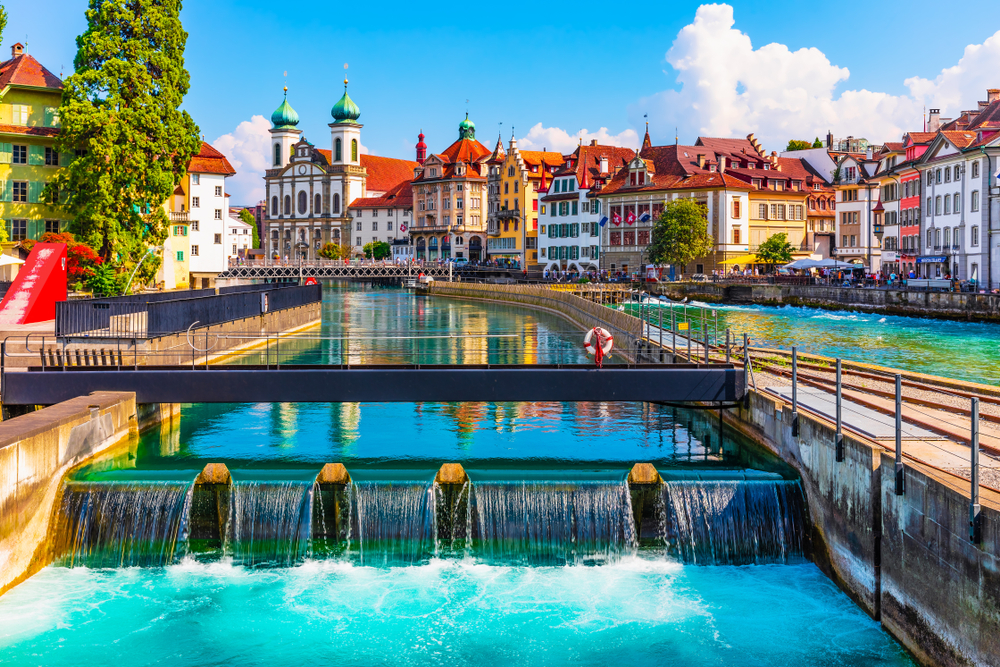
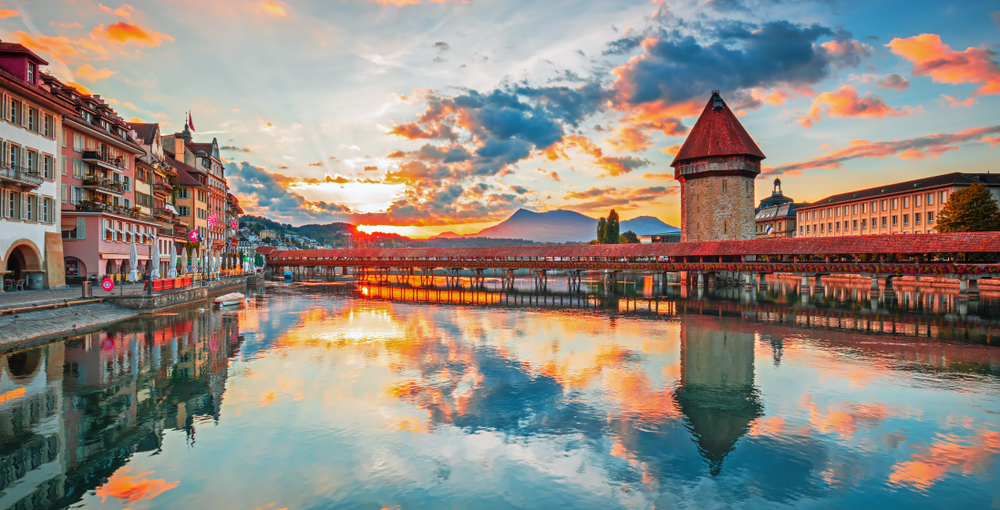
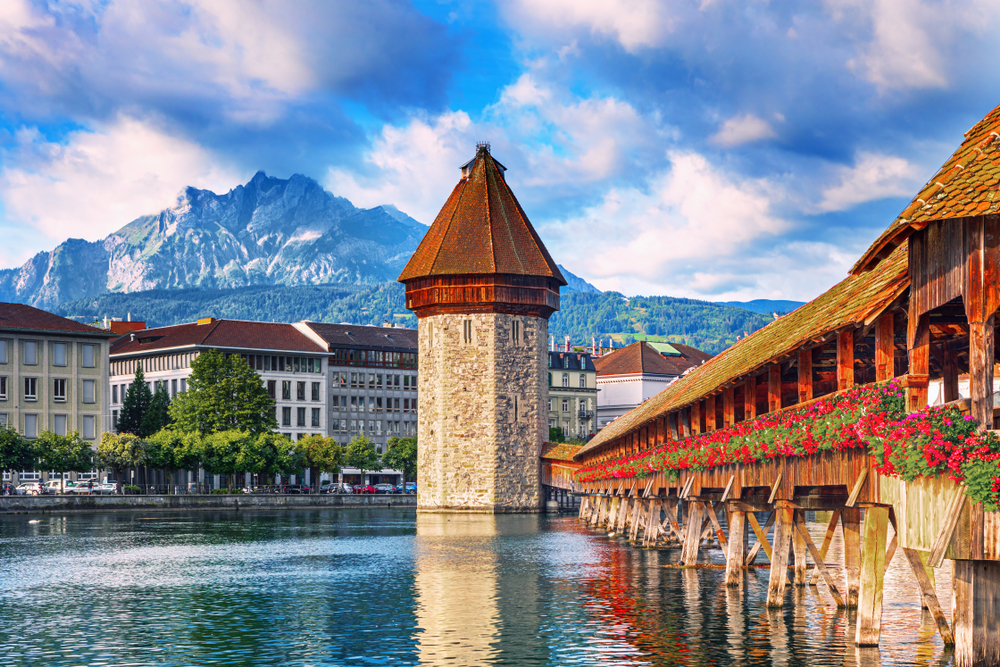
Kapellbrücke: Lucerne’s historic wooden bridge with beautiful views of the Reuss River and colourful old town buildings.
Bern Old Town: A medieval district filled with arcades, fountains, and the famous Zytglogge.
Lake Geneva Promenade: Scenic lakeside walks with gardens and views of the iconic Jet d’Eau.
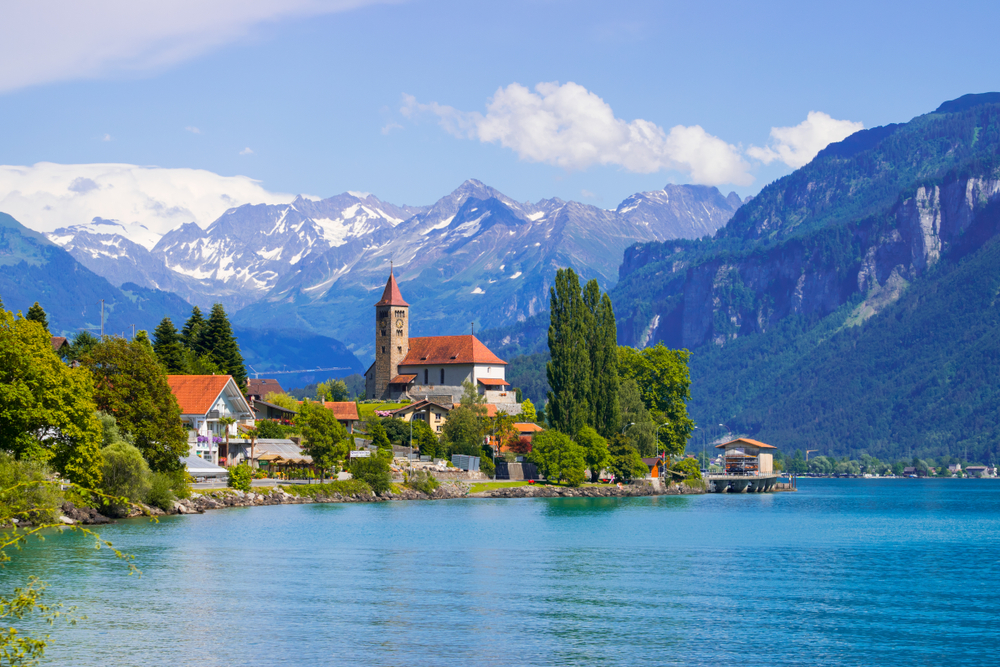
Lake Brienz: A turquoise alpine lake near Interlaken with stunning mountain scenery and peaceful walking paths.
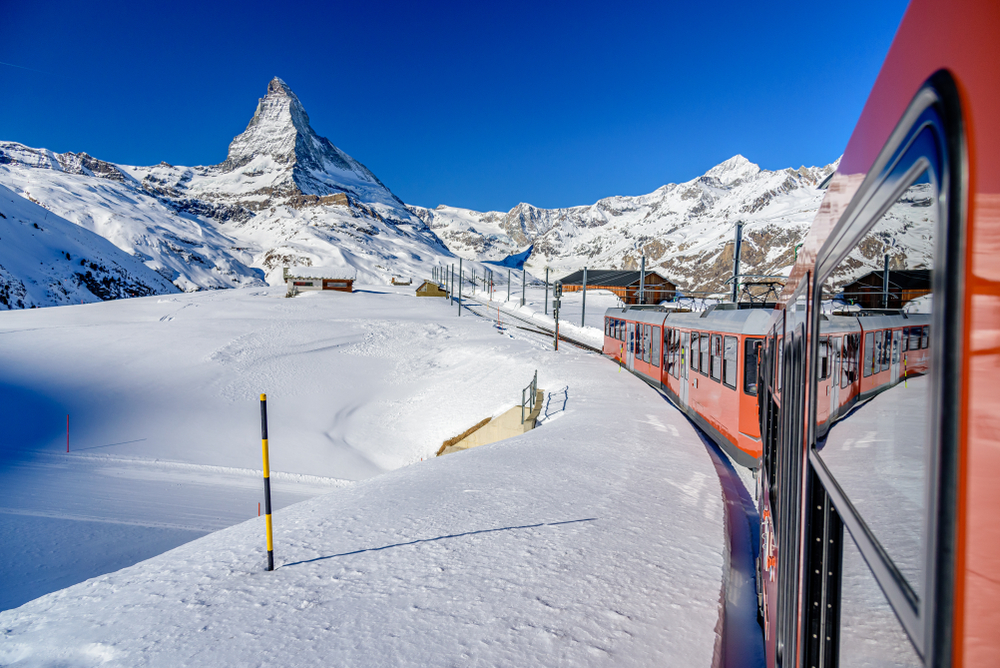
Matterhorn Viewpoints: Free viewpoints in Zermatt offering incredible views of the iconic Matterhorn.
Rhine Falls: One of Europe’s most powerful waterfalls, located near Schaffhausen, with several free viewing platforms.
Discount Passes and Museum Cards
The Swiss Travel Pass includes entry to over 500 museums across the country.
City cards in Zurich, Geneva and Lucerne offer discounts on attractions and transport.
Regional passes provide reduced fares for mountain cable cars and gondolas.
Cheapest Cities and Places to Visit in Switzerland
1. Lucerne:
Chapel Bridge: A must-see landmark during a Switzerland budget trip, this historic wooden bridge is one of Lucerne’s most photographed attractions.
Lake Lucerne Promenade: A scenic lakeside walkway offering stunning alpine views and relaxing public spaces.
Lucerne Old Town: Colourful medieval buildings, lively squares and charming cobbled streets.
Lion Monument: A famous rock sculpture dedicated to the Swiss Guards, free to visit.
2. Interlaken:
Höhematte Park: A large green park offering clear views of the Jungfrau mountain and one of the most relaxing places in the town.
Harder Kulm Viewpoint: A dramatic viewpoint overlooking Interlaken and its surrounding lakes.
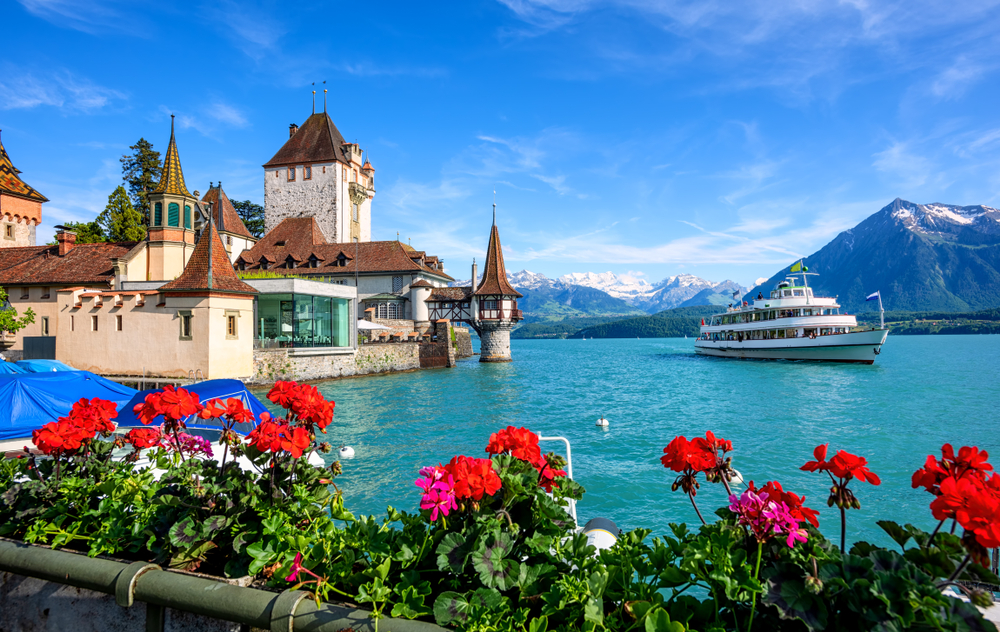
Lake Thun Promenade: Beautiful walking paths along the lake with mountain backdrops.
Lake Brienz Shoreline: Turquoise waters and peaceful scenery that help travellers enjoy Switzerland while managing the Switzerland trip cost.
3. Lauterbrunnen:
Staubbach Falls: One of Europe’s highest free-falling waterfalls, easily visible from the village centre.
Trümmelbach Falls: Powerful waterfalls hidden inside the mountain, fed by glacial meltwater.
Lauterbrunnen Valley Walk: A scenic walking trail surrounded by dramatic cliffs and waterfalls.
Wengen Village: A charming car-free mountain village overlooking the Lauterbrunnen Valley.
4. Bern:
Bern Old Town: A UNESCO World Heritage site filled with medieval streets and historic sandstone buildings.
Zytglogge Clock Tower: A 13th-century astronomical clock and one of Bern’s most famous landmarks.
Bern Rose Garden: A hilltop garden offering panoramic views of the city and river.
Aare River Walk: A relaxing riverside path perfect for scenic strolls.
5. Zermatt Viewpoints
Matterhorn Viewpoint near Zermatt Village: One of the easiest spots to admire the famous Matterhorn peak.
Kirchbrücke Bridge: A popular photo location with beautiful mountain scenery.
Zermatt Village Streets: Traditional wooden chalets and charming alpine atmosphere.
Riffelsee Lake Viewpoint: Known for stunning reflections of the Matterhorn, perfect for travellers planning a budget trip to Switzerland.
Practical Tips to Save Money
Plan a Switzerland Budget Trip in the Shoulder Season: Travelling in April-May or September-October helps avoid peak tourist prices. Flights and hotel rates are often 20-40% lower than in the summer months, while the weather is still pleasant for sightseeing and hiking. You will also experience fewer crowds at major attractions like Lucerne, Interlaken and the Jungfrau region.
Book Train Tickets in Advance: Switzerland’s train network is excellent, but last-minute tickets can be expensive. Booking early through the SBB website or app unlocks Saver Day Pass tickets that can reduce fares significantly. This is especially helpful for routes such as Zurich-Lucerne or Lucerne-Interlaken.
Stay in Smaller Towns Near Major Cities: Accommodation in city centres like Zurich or Geneva is often expensive. Staying in nearby towns such as Spiez, Thun, or Kriens can reduce hotel prices while still providing quick train access to popular attractions.
Use Travel Passes Smartly: Consider the Swiss Half Fare Card, which gives 50% discounts on trains, boats and mountain railways for one month. In many cases, it can be cheaper than buying a full Swiss Travel Pass, especially for travellers taking only a few long journeys.
Use Supermarkets for Affordable Meals: Eating every meal in restaurants quickly increases the Switzerland trip cost. Supermarkets like Coop, Migros and Aldi Suisse offer fresh sandwiches, salads and ready meals for CHF 6-12, making them a great option for budget travellers.
Choose Free Scenic Experiences: Switzerland offers plenty of natural attractions that cost nothing. Walk through Lucerne Old Town, hike around Lauterbrunnen Valley, or enjoy lakeside views in Interlaken without paying for expensive tours.
Carry a Refillable Water Bottle: Switzerland has thousands of public fountains with safe drinking water. Refilling your bottle instead of buying bottled water helps save money and is a common practice among locals and travellers alike
Is Switzerland expensive for travellers?
Switzerland is known for its high cost of living, which often makes travellers assume it is an expensive destination. However, with careful planning, a Switzerland budget trip can still be very achievable. Choosing hostels, travelling in the shoulder season and exploring free attractions like lakes, valleys and historic towns can significantly reduce expenses while still allowing visitors to enjoy the country’s famous alpine scenery.
How much does a trip to Switzerland cost on average?
The overall travel budget depends on accommodation choices, transport and activities. On average, budget travellers spend around ₹8,000–₹12,000 per day, while mid-range travellers may spend Rs 15,000 – Rs 25,000 daily. Flights from India typically range between Rs 45,000 and Rs 70,000 return. Careful planning of accommodation, transport passes, and meals helps keep the overall travel budget manageable.
Can Switzerland be visited on a budget?
Yes, many travellers successfully plan a Switzerland budget trip without spending excessively. Staying in hostels, using public transport and enjoying natural attractions can reduce costs significantly. Switzerland’s lakes, mountain villages and hiking trails provide unforgettable scenery that often costs nothing to experience, making it possible to explore the country while keeping expenses under control.
What is the cheapest time to visit Switzerland?
The cheapest months to visit Switzerland are usually November, early December, March and early April. These periods fall outside the main tourist season, which means flights and hotel prices are often lower. Travelling during shoulder seasons such as April-May or September-October can also help travellers manage the overall Switzerland trip cost while still enjoying pleasant weather.
Which cities are best for a budget trip in Switzerland?
Several scenic destinations are perfect for travellers planning a Switzerland budget trip. Lucerne offers beautiful lake views and historic streets, Interlaken provides easy access to alpine landscapes, and Lauterbrunnen Valley is famous for its dramatic waterfalls. Bern’s UNESCO-listed Old Town also allows visitors to explore medieval architecture and viewpoints without spending much money.
Is the Swiss Travel Pass worth buying?
The Swiss Travel Pass allows unlimited travel on trains, buses and boats across the country and includes entry to many museums. It can be useful for travellers visiting several cities within a short time. However, some travellers prefer the Swiss Half Fare Card, which offers 50 per cent discounts and may reduce the overall trip cost.
How many days are enough for Switzerland?
A well-planned Switzerland budget trip can be enjoyed in about 6 to 8 days. This duration allows travellers to explore cities such as Zurich or Lucerne, visit Interlaken for alpine scenery and experience natural attractions like Lauterbrunnen Valley. Switzerland’s efficient train network makes it easy to travel between destinations within a short itinerary.
What are the cheapest ways to eat in Switzerland?
Food in Switzerland can be expensive, but travellers can save money by choosing supermarkets or bakeries instead of restaurants. Stores like Coop and Migros offer fresh sandwiches, salads and ready meals for affordable prices. Preparing simple meals or enjoying picnic lunches by lakes and parks helps reduce daily travel expenses.
Are there free attractions in Switzerland?
Yes, Switzerland offers many attractions that are completely free to explore. Travellers planning a Switzerland budget trip can walk across Lucerne’s Chapel Bridge, explore Bern’s historic Old Town, hike in Lauterbrunnen Valley and enjoy lakeside views in Interlaken. These natural landscapes and historic areas provide memorable experiences without requiring expensive tickets.
How can travellers reduce the cost of the Switzerland trip?
Travellers can lower the Switzerland trip cost by travelling in the shoulder season, booking train tickets early and staying outside expensive city centres. Using public transport passes, eating supermarket meals and focusing on free scenic attractions also help reduce expenses while still allowing visitors to enjoy Switzerland’s famous mountains, lakes and historic towns.
Planning a romantic European holiday often begins with one important question about the Switzerland trip cost from India for couples.
Switzerland has long been one of the most dreamt-about destinations for Indian travellers. Snow-covered Alpine peaks, peaceful lakes and postcard-perfect towns create a setting that feels almost magical for couples exploring Europe together.
For many couples, Switzerland feels like a dream brought to life, where romance meets breathtaking alpine beauty. Scenic train rides through snow-capped mountains, cosy cafés by crystal-clear lakes and charming villages create moments that feel truly magical.
It is no surprise that Switzerland frequently appears on honeymoon and couple travel bucket lists.
When planning such a trip, understanding the Switzerland trip cost from India becomes an important first step. Travel expenses can vary depending on the season, hotel category, flight prices and the number of attractions you wish to visit. With careful planning, couples can design an itinerary that balances memorable experiences with a comfortable budget.
Another reason Switzerland attracts so many travellers is the variety packed into a relatively small country. Within a few hours, couples can move from lively cities like Zurich to charming alpine villages or scenic mountain viewpoints. This diversity makes the destination ideal for couples who want a mix of sightseeing, relaxation and nature.
Naturally, travellers also want to understand the realistic Switzerland honeymoon cost from India before confirming bookings. Knowing the approximate expenses for flights, hotels and activities helps couples plan more confidently and avoid surprises during the trip.
In the sections ahead, we will explore the main elements that shape the travel budget, including accommodation, food, transportation and sightseeing. Breaking down these expenses step by step will help couples understand what to expect when planning their Swiss adventure.
Switzerland Trip Cost for Couples (Approximate Guide)
1. Cost per Couple
A romantic trip to Switzerland typically costs between Rs 2,20,000 and Rs 4,80,000 per couple for a 6-8 day itinerary. The final budget depends on travel season, hotel category, flight deals and the type of experiences included, such as scenic train journeys or mountain excursions.
2. Round-Trip Flights
Return flights from major Indian cities like Delhi or Mumbai to Zurich or Geneva usually range between Rs 55,000 and Rs 90,000 per person in economy class. Booking tickets 2–3 months in advance often helps secure better fares, especially outside the peak summer and Christmas travel periods.
Hotel prices vary widely depending on location and comfort level. Mountain resorts and lake-view properties tend to cost slightly more due to their scenic locations.
3-star hotels: Rs 6,000 – Rs 18,000 per night
4-star hotels: Rs 8,000 – Rs 30,000 per night
5-star luxury hotels: Rs 34,000 – Rs 75,000+ per night
4. Food and Drink
Dining in Switzerland is known to be expensive, but options range from casual cafés to fine dining restaurants. Couples can expect to spend Rs 4,000 to Rs 8,000 per day on meals if combining restaurants, bakeries and occasional takeaway options.
5. Transportation
Getting around Switzerland is efficient and scenic. Many travellers prefer trains for their comfort and stunning Alpine views.
Public transport (Swiss Travel Pass): Rs 28,000 – Rs 40,000 per person for several days
Local trains and buses: Rs 2,000 – Rs 4,000 per day
Private taxis or cabs: Rs 5,000 – Rs 9,000 per short journey
6. Sightseeing and Activities
Jungfraujoch – Top of Europe: Rs 18,000 – Rs 21,000 per person for the round-trip train journey from Interlaken to Europe’s highest railway station.
Mount Titlis Cable Car & Glacier Experience: Rs 9,000 – Rs 11,000 per person, including the Rotair rotating cable car and glacier park access.
Matterhorn Glacier Paradise (Zermatt): Rs 7,000 – Rs 10,000 per person for the cable car ride and panoramic alpine viewpoints.
Lake Cruises: Rs 2,500 – Rs 4,500 per person, depending on the route and cruise duration.
Museums and cultural attractions: Rs 1,200 – Rs 2,500 per person for popular sites such as the Swiss National Museum, Olympic Museum in Lausanne and local city museums.
Estimated sightseeing budget: Couples usually spend around Rs 15,000 – Rs 40,000 per person for basic sightseeing and cultural attractions during a 6-8 day Switzerland trip, depending on the number of mountain excursions included.
Tips to Save Money
Plan Your Itinerary Early: One of the easiest ways to reduce the Switzerland trip cost from India for couples is to plan and book early. Flights and hotels are usually cheaper when reserved three to four months in advance. Early planning also helps couples secure better deals on popular mountain excursions and scenic train journeys.
Travel During Shoulder Seasons: Visiting Switzerland in spring (April–May) or autumn (September–October) can significantly lower travel costs. These months usually have fewer tourists, better hotel prices and discounted flights compared to peak summer and Christmas seasons.
Use the Swiss Travel Pass: Public transport in Switzerland is extremely efficient. The Swiss Travel Pass allows unlimited access to trains, buses and boats across the country. It often turns out cheaper than booking individual tickets and is one of the smartest ways to move between cities.
Stay Near Train Stations: Choosing accommodation close to a major railway station can help reduce local transport expenses. Many Swiss cities are compact and walkable, so staying centrally also saves time while exploring.
Eat Like a Local: Dining in Switzerland can be expensive if you rely only on restaurants. Try bakeries, local cafes and supermarket meal options for affordable food. Many grocery stores also sell ready-to-eat meals that are surprisingly good.
Prioritise Major Attractions: Instead of trying to visit every mountain excursion, choose two or three iconic experiences. Planning carefully helps manage the Switzerland trip budget for couples while still allowing you to enjoy Switzerland’s most famous views.
Look for Combination Tickets: Many attractions offer discounted combination tickets that include transport and entry together. These deals can help couples save money on popular experiences such as cable cars, lake cruises and scenic railway rides.
So, What Is the Overall Cost?
After looking at flights, accommodation, food, transportation and activities, couples can estimate a realistic travel budget. The Switzerland trip cost from India for couples mainly depends on travel style, the season of travel and the type of experiences you include in your itinerary.
1. Budget Trip
A budget trip usually includes economy flights booked early, comfortable three-star hotels or guesthouses and efficient public transport such as trains and buses. Couples may also choose fewer mountain excursions and focus on exploring scenic towns like Lucerne and Interlaken.
Estimated cost: Rs 2,50,000 – Rs 3,20,000 for two people for a 6-7 day trip.
Ideal For: Travellers who want to experience Switzerland’s landscapes and charming cities while keeping the Switzerland trip cost from India under control through smart planning.
2. Mid-Range Trip
A mid-range itinerary offers a balanced experience with comfortable four-star hotels, the Swiss Travel Pass for convenient travel and popular attractions such as Mount Titlis or Jungfraujoch. Couples can enjoy scenic train rides, lake cruises and a few premium activities.
Estimated cost: Rs 3,80,000 – Rs 5,00,000 for two people for a 6-7 day holiday.
Ideal for: Couples looking for a balanced experience that combines comfortable accommodation, well-planned sightseeing and a relaxed pace of travel.
3. Luxury Trip:
A luxury trip focuses on premium experiences including five-star hotels, private transfers, fine dining and exclusive mountain excursions. Couples may also choose iconic scenic trains such as the Glacier Express and stay at luxury alpine resorts.
Estimated cost: Rs 6,00,000 – Rs 7,50,000+ for two people.
Ideal for: Couples planning a romantic escape with personalised services, spectacular Alpine views and a higher Switzerland honeymoon trip budget for a truly indulgent experience.
How much does a trip to Switzerland cost for couples from India?
The Switzerland trip cost from India for couples generally ranges between Rs 2,20,000 and Rs 4,80,000 for a 6-8 day itinerary. The overall cost depends on flight prices, hotel category, sightseeing activities and the time of travel. Couples choosing luxury hotels and premium scenic train journeys may spend more, while those opting for budget stays and public transport can keep their travel expenses significantly lower.
What is the average flight cost from India to Switzerland for couples?
Round-trip flights from India to Switzerland usually cost between Rs 55,000 and Rs 90,000 per person in economy class. Prices vary depending on the season, airline and how early the tickets are booked. Flights from major cities such as Delhi, Mumbai and Bangalore often offer competitive fares. Booking tickets two to three months in advance usually helps travellers secure better prices.
What factors affect the cost of a Switzerland honeymoon from India?
Several elements influence the Switzerland honeymoon cost from India, including the time of year, type of accommodation, number of sightseeing activities and transportation choices. Luxury hotels, private transfers and scenic train journeys increase the overall budget. On the other hand, travelling during shoulder seasons and choosing public transport or mid-range hotels can help couples maintain a balanced and manageable travel budget.
How much do hotels cost in Switzerland for couples?
Hotel prices in Switzerland vary widely depending on the category and location. Comfortable three-star hotels may cost around Rs 14,000 to Rs 22,000 per night, while four-star properties usually range between Rs 22,000 and Rs 38,000. Luxury five-star hotels can exceed Rs 40,000 to Rs 90,000 per night. Mountain resorts or hotels with lake views often cost slightly more due to their scenic locations.
What is the estimated food cost for couples travelling in Switzerland?
Dining expenses are an important part of the Switzerland trip cost from India. Couples can expect to spend approximately Rs 4,000 to Rs 8,000 per day on meals. This estimate includes a mix of casual cafés, bakeries and occasional restaurant dining. Travellers who combine supermarket meals and local eateries can manage food expenses more comfortably without compromising the overall experience.
How expensive is transportation within Switzerland for tourists?
Transportation in Switzerland is efficient and well organised. Many travellers purchase the Swiss Travel Pass, which usually costs around Rs 28,000 to Rs 40,000 per person for several days of unlimited travel. Local trains and buses may cost Rs 2,000 to Rs 4,000 per day, while taxis or private transfers are more expensive. Scenic train journeys are often considered one of the highlights of travelling in the country.
What are the major sightseeing costs for couples visiting Switzerland?
Popular experiences such as Jungfraujoch, Mount Titlis and scenic cable car rides significantly influence the Switzerland trip cost from India for couples. Major mountain excursions generally cost between Rs 20,000 and Rs 45,000 per person. Many travellers select two or three iconic attractions to manage their budget while still enjoying the most spectacular alpine views and experiences Switzerland offers.
What is the cheapest way for couples to travel around Switzerland?
Using the Swiss Travel Pass is often the most economical way to travel across Switzerland. The pass allows unlimited access to trains, buses and boats and is usually cheaper than buying individual tickets. Staying near railway stations and choosing walkable cities also helps reduce transportation costs while making travel convenient and efficient for couples exploring the country.
Can couples plan a budget Switzerland trip from India?
Yes, couples can reduce the Switzerland honeymoon cost from India by planning carefully. Booking flights early, travelling during spring or autumn, staying in three-star hotels and prioritising key attractions can help control expenses. Many travellers also save money by choosing public transport and eating at local cafés or bakeries rather than dining at expensive restaurants every day.
What is the total budget required for a 7-day Switzerland trip for couples?
For a week-long holiday, couples typically spend between Rs 2,50,000 and Rs 5,00,000 depending on travel style. Budget travellers may spend closer to Rs 2,50,000 by choosing affordable hotels and fewer excursions. Mid-range travellers often spend around Rs 3,80,000 to Rs 5,00,000, while luxury travellers staying in five-star hotels and booking premium experiences may exceed Rs 6,00,000 for the trip.
Japan in May is one of the most beautiful times to visit the country. The weather is pleasant, spring is still in full bloom, and many outdoor festivals and cultural experiences take place during this time. Travelers can enjoy mild temperatures, colorful gardens, and scenic landscapes across cities and countryside.
If you are planning a trip to Japan, understanding the weather in Japan in May, the temperature in Japan in May, and the best places to visit and things to do can help you make the most of your journey.
Weather in Japan in May
The weather in Japan in May is generally mild, sunny, and comfortable for sightseeing. Spring is nearing its end, but the country still enjoys fresh greenery and blooming flowers.
Across most regions, the weather is stable with clear skies and longer daylight hours, making it ideal for exploring cities, parks, and countryside destinations.
Key Highlights of Weather in Japan in May
Pleasant and comfortable temperatures
Low humidity compared to summer months
Longer daylight hours for sightseeing
Fresh greenery and late spring blooms
Rainfall is relatively low during early May, though light showers may occur towards the end of the month as Japan approaches the early stages of the rainy season.
The temperature in Japan in May varies depending on the region, but overall it remains comfortable for travel and outdoor activities.
Average Temperature in Major Cities
City
Average Temperature
Tokyo
15°C – 24°C
Kyoto
14°C – 25°C
Osaka
16°C – 26°C
Hokkaido
10°C – 20°C
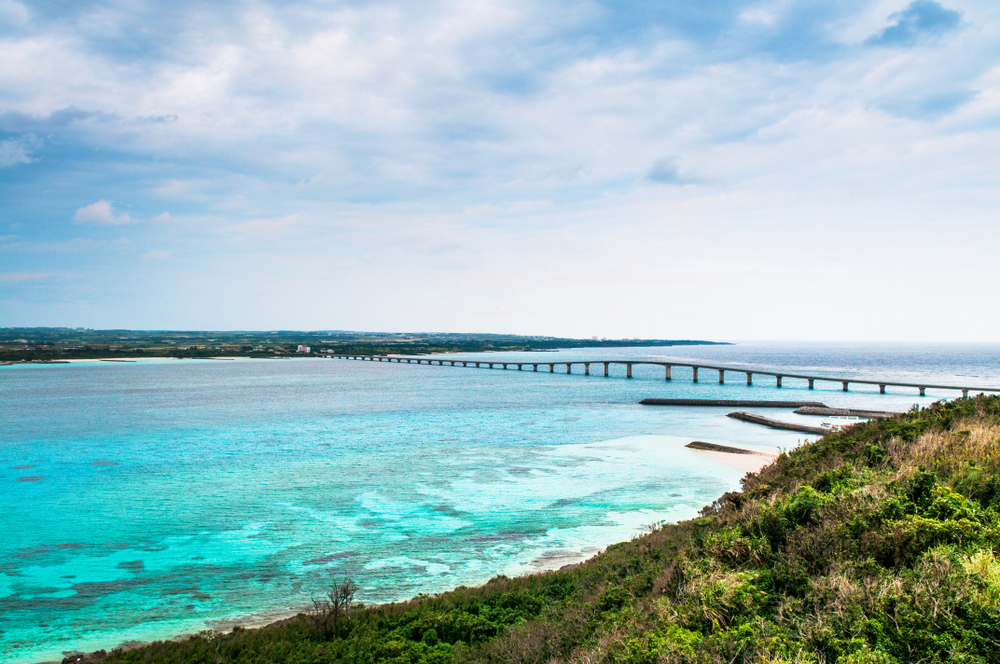
Okinawa
22°C – 28°C
Days are usually warm and pleasant, while evenings can feel slightly cool, especially in northern regions like Hokkaido.
Travelers are advised to pack:
Light layers
Comfortable walking clothes
A light jacket for evenings
Climate in Japan in May
The climate in Japan in May is typically mild and refreshing. Spring greenery covers the landscapes, creating a vibrant atmosphere across the country.
Climate Characteristics
Mild spring climate
Comfortable humidity levels
Blooming gardens and parks
Ideal conditions for outdoor travel
Because of the pleasant climate, May is considered one of the best months to travel to Japan.
Places to Visit in Japan in May
Japan offers a wide range of destinations that become even more beautiful during late spring.
1. Tokyo
Tokyo blends modern attractions with traditional culture. In May, the city parks and gardens are vibrant with flowers and greenery.
Top Attractions:
Shinjuku Gyoen National Garden
Meiji Shrine
Tokyo Skytree
Asakusa Temple
2. Kyoto
Kyoto is famous for its temples, shrines, and traditional streets. In May, the city’s gardens and bamboo forests look especially lush.
Must visit spots:
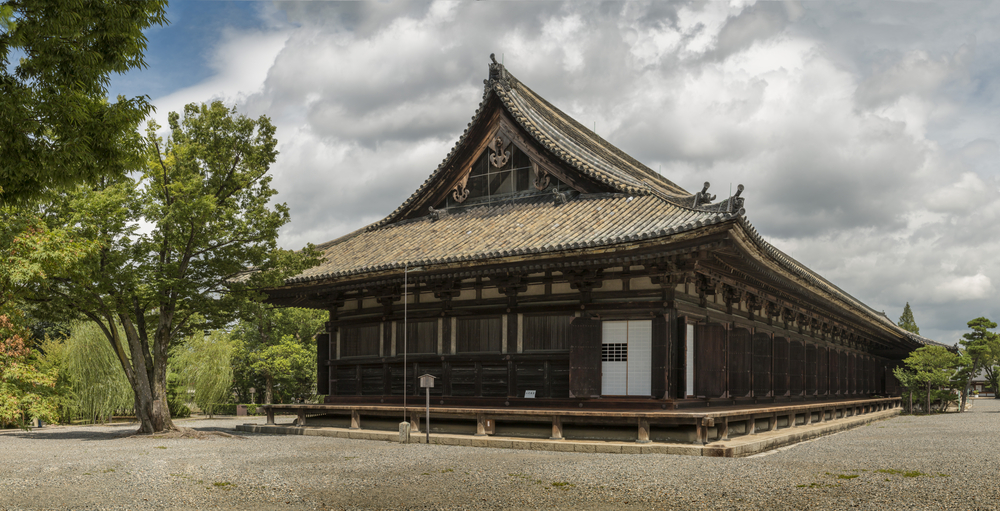
Fushimi Inari Shrine
Arashiyama Bamboo Grove
Kinkaku-ji (Golden Pavilion)
Gion District
3. Hokkaido
Hokkaido is perfect for nature lovers visiting Japan in May. The region enjoys cooler temperatures and stunning flower fields.
Highlights:
Shikisai no Oka flower fields
Daisetsuzan National Park
Furano countryside landscapes
4. Osaka
Osaka offers vibrant city life along with historic landmarks. The pleasant weather in May makes exploring the city enjoyable.
Top Places:
Osaka Castle
Dotonbori district
Universal Studios Japan
5. Okinawa
For travelers seeking beaches, Okinawa offers warm weather and beautiful coastal scenery.
Top attractions:
Emerald Beach
Okinawa Churaumi Aquarium
Cape Manzamo
Things to Do in Japan in May
There are many exciting things to do in Japan in May, ranging from outdoor activities to cultural experiences.
1. Experience Golden Week Festivals
Golden Week is one of Japan’s biggest holiday periods, usually occurring in early May. Cities host cultural events, parades, and festivals during this time.
2. Visit Flower Gardens and Parks
Spring flowers are still blooming across the country. Popular flower spots include:
Ashikaga Flower Park
Hitachi Seaside Park
Kawachi Wisteria Garden
These parks display colorful landscapes filled with tulips, wisteria, and other seasonal flowers.
3.Explore Traditional Temples and Shrines
The pleasant weather makes it a perfect time to explore Japan’s historic temples and shrines without the intense summer heat.
4. Enjoy Scenic Train Journeys
Japan’s train routes offer breathtaking countryside views during May, especially in mountainous regions and rural areas.
5. Try Seasonal Japanese Cuisine
Seasonal foods are an important part of Japanese culture. In May, travelers can enjoy:
Fresh seafood
Seasonal vegetables
Traditional Japanese sweets
Why Visit Japan in May?
Visiting Japan in May offers the perfect combination of comfortable weather, beautiful scenery, and cultural experiences.
Benefits of Visiting in May
Pleasant spring weather
Stunning gardens and natural landscapes
Many festivals and cultural events
Ideal conditions for sightseeing and outdoor travel
Because of its balanced climate and vibrant scenery, May is often considered one of the best months to visit Japan.
Final Thoughts
Japan in May offers a wonderful mix of pleasant weather, beautiful landscapes, and exciting cultural experiences. From the vibrant streets of Tokyo to the historic temples of Kyoto and the scenic countryside of Hokkaido, travelers can enjoy diverse experiences throughout the country.
Whether you are exploring cities, enjoying flower gardens, or experiencing traditional festivals, May is an excellent time to discover Japan.
FAQ’s about Japan in May
1. Is May a good time to visit Japan?
Yes, May is one of the best months to visit Japan. The weather is pleasant, flowers are in bloom, and the climate is comfortable for sightseeing and outdoor activities.
2. What is the weather in Japan in May?
The weather in Japan in May is mild and comfortable with clear skies and moderate humidity. Spring greenery and blooming flowers make it a beautiful time to explore the country.
3. What is the temperature in Japan in May?
The average temperature in Japan in May ranges between 15°C and 25°C, depending on the region. Cities like Tokyo and Kyoto experience warm daytime temperatures with cooler evenings.
4. Does it rain in Japan in May?
Rainfall in May is generally moderate. Early May is mostly dry, while light showers may occur towards the end of the month as Japan approaches the rainy season.
5. What are the best places to visit in Japan in May?
Some of the best places to visit in Japan in May include:
Tokyo
Kyoto
Osaka
Hokkaido
Okinawa
These destinations offer beautiful gardens, cultural landmarks, and scenic landscapes during spring.
6. What are the best things to do in Japan in May?
If you are wondering “Do we need transit visa for Singapore?”, the answer depends on whether you stay inside the airport or plan to leave it.
In most cases, you do NOT need a transit visa for Singapore if you remain inside the transit area of Changi Airport and do not clear immigration. However, if you plan to exit the airport, visit the city, or collect baggage on separate tickets, visa rules may apply.
Below is a clear breakdown for Indian travellers and other visa-required nationalities.
Singapore Transit Visa Rules Explained
1. Staying Airside (Inside Transit Area)
You do not need a transit visa if:
You remain within the transit area of Changi Airport (Terminals 1–4)
Your baggage is checked through to your final destination
You do not pass through Singapore immigration
This applies to most connecting international flights booked on a single ticket.
In simple terms: If you don’t exit the airport, you don’t need a visa.
2. 96-Hour Visa-Free Transit Facility (VFTF)
Singapore offers a 96-hour Visa-Free Transit Facility (VFTF) for eligible travellers, including Indian passport holders.
You may qualify if:
You have a valid onward ticket departing within 96 hours
You hold a valid visa or long-term residence permit from:
USA
UK
Canada
Australia
New Zealand
Germany
Switzerland
Japan
You meet entry assessment by Singapore immigration
This allows you to leave the airport and enter Singapore for up to 96 hours without applying for a separate transit visa.
⚠ Approval is subject to immigration officer discretion.
3. When You May Need a Transit Visa
You may need a visa if:
You have separate tickets and need to collect and re-check baggage
You are flying with certain low-cost carriers
You must clear immigration during transit
You are not eligible for the 96-hour Visa-Free Transit Facility
In such cases, if you are from a visa-required country (including India), you may need to apply for a Singapore visa in advance.
Special Note for Indian Travellers
Indian passport holders:
Do NOT need a transit visa if staying airside
May qualify for the 96-hour visa-free transit (if eligible)
Must complete the SG Arrival Card online before arrival
Singapore remains one of the most convenient transit hubs for Indian international travellers.
Important Transit Requirements
Regardless of visa status, all travellers must:
Have a passport valid for at least 6 months
Hold a confirmed onward ticket
Complete the SG Arrival Card (online submission required before arrival)
Meet airline and immigration requirements
Do Indians need a transit visa for Singapore?
No, if staying inside the transit area. If leaving the airport, you may use the 96-hour visa-free transit facility if eligible.
Can I leave Changi Airport during transit?
Yes, if you qualify for the 96-hour Visa-Free Transit Facility or hold a valid Singapore visa.
Is Singapore transit visa free?
Transit inside the airport is visa-free. Entry into Singapore during transit depends on eligibility.
What if I have separate tickets?
You may need to clear immigration to collect baggage. In that case, visa rules apply.
Do We Need Transit Visa for Singapore?
✔ No visa needed if you stay in the airport transit area. ✔ 96-hour visa-free entry available for eligible travellers. ✔ Visa required if clearing immigration and not eligible for VFTF.
Since immigration rules can change, always verify with:
Your airline
The official Singapore Immigration & Checkpoints Authority (ICA) website
In 2026, Indian travellers are exploring destinations that offer easy visa access, affordability, cultural richness, and unique experiences. Countries across South Asia, Southeast Asia, and beyond are seeing a surge in interest due to budget-friendly travel, improved connectivity, and simplified entry requirements.
Among these, Sri Lanka is emerging as the top trending destination, while Vietnam, Thailand, UAE, Nepal, and select migration-focused countries are gaining attention for tourism, education, and career opportunities.
New Destinations Gaining Popularity with Indians in 2026
🇱🇰 Sri Lanka: The Fastest-Growing Travel Choice for Indians
Sri Lanka is rapidly becoming one of the most popular international destinations for Indian travellers in 2026.
Its proximity to India, affordability, and diverse experiences make it ideal for families, honeymooners, solo travellers, and spiritual seekers.
Why Sri Lanka Is Trending in 2026?
High affordability & value for money: Sri Lanka offers luxury experiences, scenic train journeys, beach resorts, and heritage stays at significantly lower costs compared to many international destinations.
Quick & convenient connectivity: Short flight durations from major Indian cities like Delhi, Mumbai, Chennai, and Bangalore make Sri Lanka perfect for short international trips.
Visa-friendly entry: Simplified visa procedures and periodic visa fee relaxations make travel planning easy for Indian tourists.
Diverse travel experiences in one country
Golden beaches in Bentota and Mirissa
Cultural heritage in Kandy and Sigiriya
Scenic hill country in Nuwara Eliya
Wildlife safaris in Yala National Park
Spiritual sites like the Temple of the Tooth
Ideal for multiple travel styles
Budget travel
Luxury holidays
Honeymoon & romantic trips
Family vacations
Spiritual & cultural tourism
Because of its affordability, ease of access, and variety of experiences, Sri Lanka is becoming a top budget international destination from India.
Vietnam is witnessing a massive surge in interest among Indian travellers seeking scenic landscapes, cultural heritage, and budget-friendly international travel.
Why Vietnam Is Trending?
Budget-friendly travel experience: Vietnam offers excellent value for money, making it ideal for young travellers and budget-conscious tourists.
Easy visa process: E-visa access simplifies travel planning for Indians.
Stunning natural landscapes
Ha Long Bay limestone cliffs
Sapa rice terraces
Beaches in Da Nang & Phu Quoc
Rich culture & vibrant cities
French colonial architecture
Historic temples & pagodas
Street food culture in Hanoi & Ho Chi Minh City
Ideal for
Backpackers & budget travellers
Adventure seekers
Food lovers
Cultural explorers
Vietnam is emerging as a top affordable Southeast Asia destination for Indians.
Thailand continues to be a leading international destination for Indian tourists, offering a mix of beaches, nightlife, wellness retreats, and cultural experiences.
Why Thailand Remains Popular?
Visa-friendly entry: Extended visa-free entry makes travel easier and more flexible.
World-class tourism infrastructure: Easy transport, tourist-friendly services, and diverse accommodation options.
Diverse travel experiences
Island hopping in Phuket & Krabi
Nightlife in Bangkok & Pattaya
Temples and cultural sites in Chiang Mai
Wellness & spa retreats
Perfect for multiple travel styles
Solo travel
Honeymoons
Family vacations
Party & nightlife trips
Thailand remains one of the most searched international destinations from India.
Nepal is emerging as a favorite among Indian travellers seeking budget-friendly travel, spiritual experiences, and Himalayan landscapes.
Why Nepal Is Trending?
Visa-free entry for Indians: No passport or visa required, making travel effortless.
Budget-friendly destination: Affordable accommodations, food, and transport.
Spiritual & cultural tourism
Pashupatinath Temple
Lumbini (birthplace of Buddha)
Ancient heritage sites
Breathtaking natural beauty
Himalayan mountain views
Trekking trails & adventure activities
Scenic valleys and lakes
Ideal for
Spiritual travel
Adventure seekers
Budget travellers
Quick international trips
Nepal is becoming a top low-cost international getaway from India.
Migration, Education & Career Destinations Gaining Interest
🇩🇪 Germany
Tuition-free or low-cost education
Strong demand for STEM professionals
Growing Indian student community
🇮🇪 Ireland
Strong tech job market
Generous post-study work rights
Popular alternative to the UK
🇳🇿 New Zealand
High quality of life & safety
Skilled migration pathways
Welcoming immigration policies
🇸🇬 Singapore
Global business & finance hub
High-income career opportunities
Close proximity to India
Key Trends Driving Destination Popularity in 2026
Visa-Free & Easy Entry: Destinations offering visa-free or simplified entry processes are attracting more Indian tourists.
Budget-Friendly International Travel: Travellers are prioritizing destinations where the Indian Rupee provides greater value.
Short-Haul International Trips: Nearby destinations with short flight durations are gaining popularity for quick getaways.
Experience-Driven Travel: Indian travellers increasingly seek cultural immersion, nature-based tourism, and authentic local experiences.
Education & Career Opportunities Abroad: Countries with strong job markets, quality education, and post-study work rights are attracting Indian students and professionals.
In 2026, Indian travellers are expanding beyond traditional destinations and choosing countries that offer affordability, accessibility, and meaningful experiences.
Sri Lanka leads the trend with unbeatable value and diverse attractions, while Vietnam, Thailand, UAE, and Nepal continue to rise in popularity. Meanwhile, Germany, Ireland, New Zealand, and Singapore are becoming top choices for education and career growth.
These emerging destinations reflect the evolving priorities of Indian travellers value, convenience, cultural depth, and long-term opportunities.