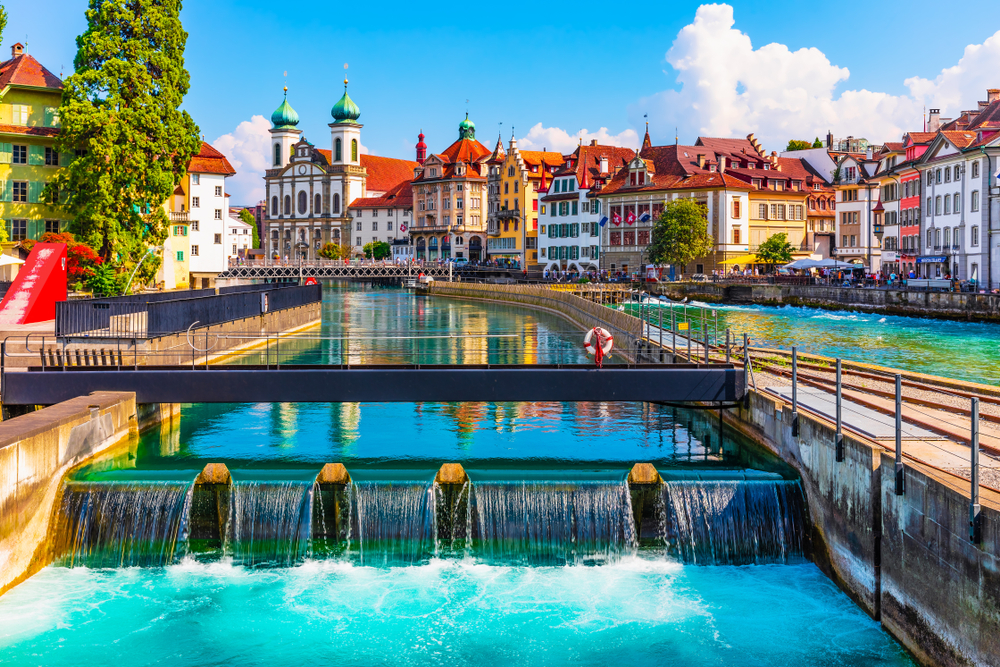
Dreaming of snow-capped Alps, turquoise lakes and postcard villages, but worried about expenses? A Switzerland budget trip proves that exploring this spectacular country does not always require a luxury budget.
With smart planning and a few clever choices, travellers can experience the charm of Switzerland without overspending.
From scenic train journeys through mountain valleys to peaceful lakeside towns, Switzerland offers experiences that feel straight out of a travel magazine.
The country is famous for its pristine landscapes, historic cities and well-organised transport system, making it surprisingly easy for visitors to explore multiple destinations within a short time.
Many travellers begin their research by understanding the Switzerland trip cost and how expenses are distributed across accommodation, food, transport and sightseeing. While Switzerland is known for being expensive, travellers often discover that planning helps manage costs more efficiently.
Cities like Zurich, Lucerne and Interlaken offer breathtaking scenery, charming old towns and easy access to the Swiss Alps. Even with a modest budget, visitors can enjoy cable car views, scenic train routes and unforgettable alpine landscapes that make Switzerland one of Europe’s most magical destinations.
With the right planning, a budget trip to Switzerland becomes far more achievable than many people expect. Choosing the right travel season, using rail passes wisely and selecting affordable stays can significantly reduce overall travel expenses while still delivering a memorable experience.
This is where a well-planned budget itinerary can make all the difference. From practical money-saving tips to smart destination choices, the right approach allows travellers to explore Switzerland’s beauty while keeping their travel plans comfortably within budget.
Why Switzerland Is Often Considered Expensive?
Switzerland has a reputation for being one of Europe’s most expensive destinations. However, understanding where the costs come from helps travellers plan a smarter Switzerland budget trip without missing out on the country’s breathtaking landscapes and iconic experiences.
High Cost of Living: Switzerland has one of the highest living costs in Europe. Salaries, rent and everyday services are expensive, which naturally increases prices for restaurants, public transport and accommodation. This is why travellers often notice higher prices for simple things like meals, coffee or local transport compared to many other European countries.
Premium Tourism Infrastructure: The country offers world-class travel infrastructure such as scenic trains, mountain railways and well-maintained tourist facilities. Experiences like cable cars, panoramic train journeys and alpine excursions are unforgettable but can add to the overall Switzerland trip cost for visitors exploring the country.
Luxury Travel Image: Switzerland is often promoted with luxury resorts, high-end hotels and expensive ski destinations. This creates the perception that travelling here always requires a large budget. In reality, with careful planning, a budget trip to Switzerland is still possible using affordable stays, travel passes and off-season travel.
Best Time to Plan a Switzerland Budget Trip
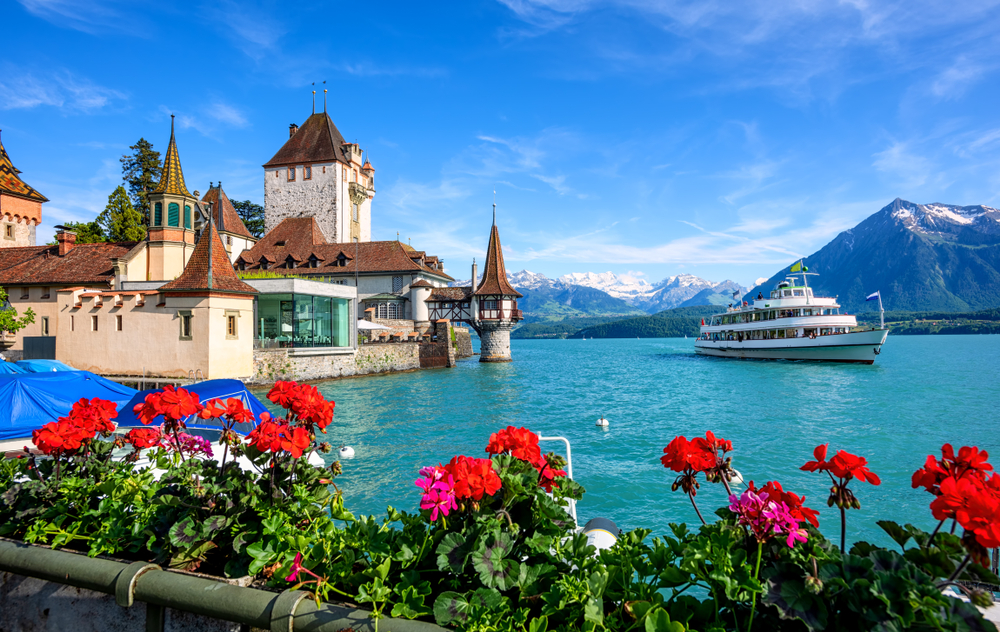
Planning the right travel season plays a big role in making a Switzerland budget trip affordable and enjoyable. Prices for flights, hotels and activities change throughout the year, so choosing the right months can help travellers experience Switzerland’s stunning mountains, lakes and cities without straining their budget
Cheapest Months to Visit
- November, early December, March and early April are usually the most affordable months.
- Hotel rates and flight prices drop significantly compared to peak summer.
- Fewer tourists mean easier sightseeing and quieter cities like Zurich and Lucerne.
Shoulder Season Advantages
- April-May and September-October offer pleasant weather and smaller crowds.
- Accommodation prices are lower than in summer, but most attractions remain open.
- Perfect balance between good weather and a manageable Switzerland trip cost.
Winter vs Summer Travel Costs
- June to August is peak season with the highest hotel and activity prices.
- Winter months (January-February) can be costly in ski resorts but cheaper in cities.
- Travellers not focused on skiing can find better deals during winter.
Average Switzerland Trip Cost Breakdown

Understanding typical expenses helps travellers plan a realistic Switzerland budget trip while keeping the overall Switzerland trip cost manageable. Switzerland is known for high prices, but with careful planning, affordable accommodation and smart spending, travellers can still explore its lakes, alpine towns and scenic rail routes without overspending.
1. Accommodation
Hostels:
- Dorm beds: Rs 3,300 – Rs 5,600 per night
- Private hostel rooms: 7,500 – Rs 13,000
- Popular hostels can be found in Interlaken, Zurich, Lucerne and Zermatt.
Budget Hotels
- Budget hotels: Rs 9,000 – Rs 22,000 per night
- Many small guesthouses and family-run hotels offer better value than luxury chains.
Airbnb Options
- Private room: Rs 6,500 – Rs 11,000
- Entire apartment: Rs 11,000 – Rs 20,000+
- Sharing apartments can significantly reduce accommodation expenses.
2. Food
Food prices depend greatly on dining choices, but travellers can reduce spending during a Budget trip to Switzerland by mixing restaurants with supermarket meals.
Restaurant Meals vs Supermarket Meals
- Casual restaurant meal: Rs 1,700 – Rs 2,800
- Mid-range restaurant dinner: Rs 3,700 – Rs 6,500
Supermarket meals or takeaway: Rs 750 – Rs 1,400
- Average Daily Food Budget
- Budget travellers: Rs 1,800 – Rs 3,200
- Moderate travellers: Rs 3,700 – Rs 5,600
3. Transportation
Regional Trains and Buses
- Zurich to Lucerne train: Rs 2,350 – Rs 3,300
- Lucerne to Interlaken scenic train: Rs 2,800 – Rs 4,200
Swiss Travel Pass
- 3 days: Rs 24,000 (2nd class) | Rs 38,000 (1st class)
- 4 days: Rs 29,000 (2nd class) | Rs 46,500 (1st class)
- 6 days: Rs 38,000 (2nd class) | Rs 60,000 (1st class)
Quick Note
- Youth Pass is around 30% cheaper than adult prices.
- Children under 6 travel free of charge on public transport.
- Children aged 6-15 travel free of charge with a parent using the Swiss Family Card.
Sightseeing & Activities
Despite Switzerland’s premium image, many attractions remain free or affordable with proper planning following a Switzerland budget itinerary.
Free Attractions:
- Lauterbrunnen Valley: A spectacular valley surrounded by cliffs and waterfalls, including the famous Staubbach Falls.
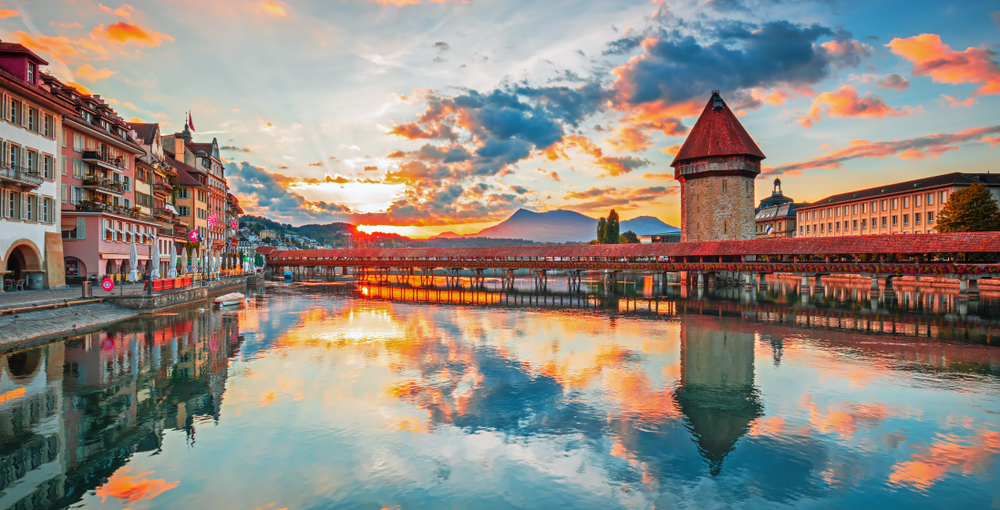
- Kapellbrücke: Lucerne’s historic wooden bridge with beautiful views of the Reuss River and colourful old town buildings.
- Bern Old Town: A medieval district filled with arcades, fountains, and the famous Zytglogge.
- Lake Geneva Promenade: Scenic lakeside walks with gardens and views of the iconic Jet d’Eau.
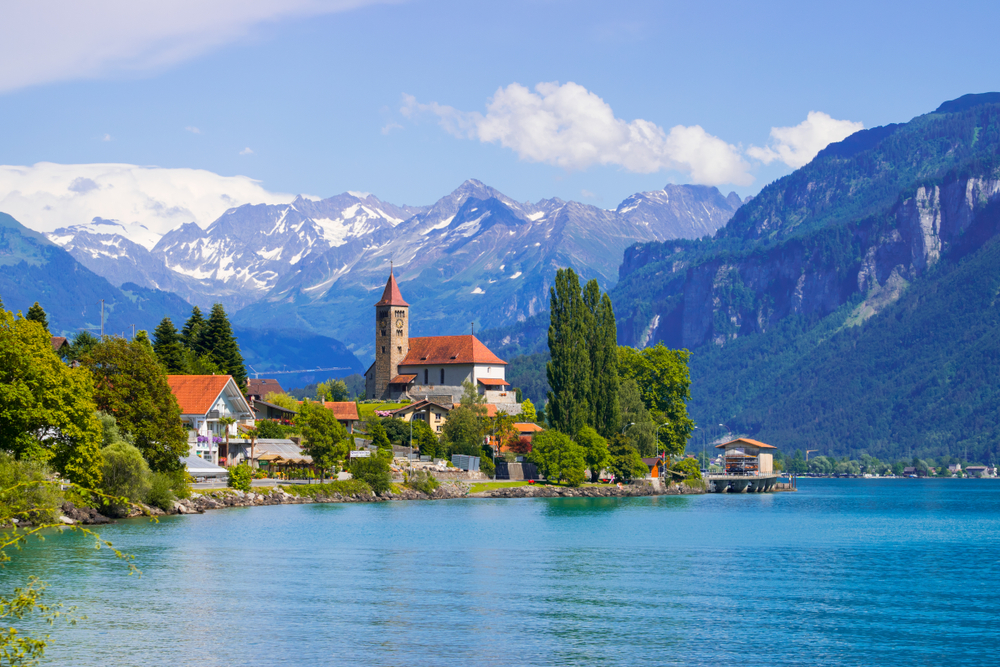
- Lake Brienz: A turquoise alpine lake near Interlaken with stunning mountain scenery and peaceful walking paths.
- Matterhorn Viewpoints: Free viewpoints in Zermatt offering incredible views of the iconic Matterhorn.
- Rhine Falls: One of Europe’s most powerful waterfalls, located near Schaffhausen, with several free viewing platforms.
Discount Passes and Museum Cards
- The Swiss Travel Pass includes entry to over 500 museums across the country.
- City cards in Zurich, Geneva and Lucerne offer discounts on attractions and transport.
- Regional passes provide reduced fares for mountain cable cars and gondolas.
Cheapest Cities and Places to Visit in Switzerland
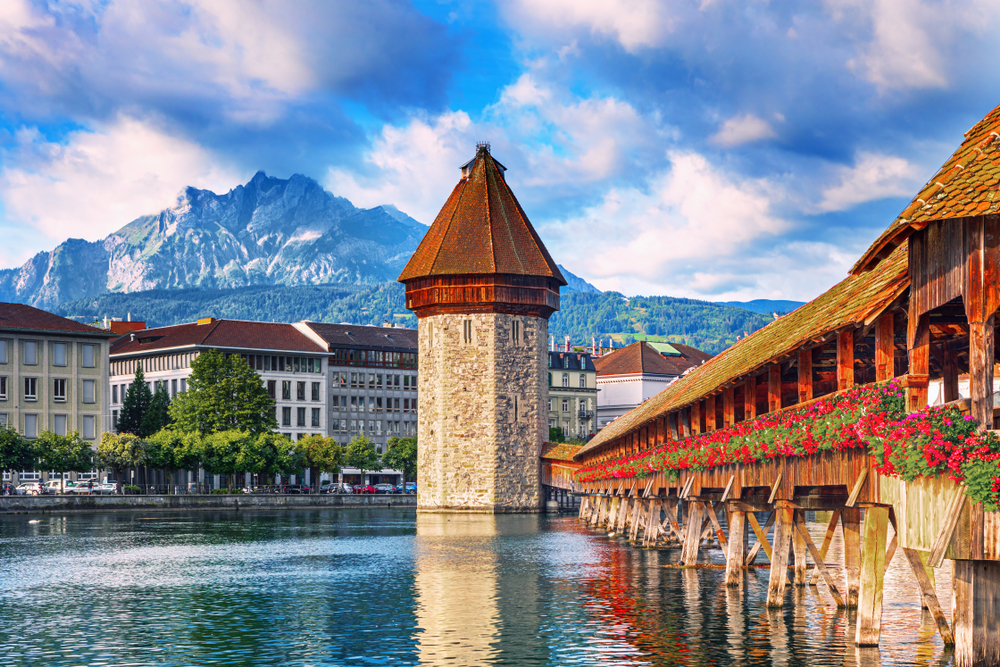
1. Lucerne:
- Chapel Bridge: A must-see landmark during a Switzerland budget trip, this historic wooden bridge is one of Lucerne’s most photographed attractions.
- Lake Lucerne Promenade: A scenic lakeside walkway offering stunning alpine views and relaxing public spaces.
- Lucerne Old Town: Colourful medieval buildings, lively squares and charming cobbled streets.
- Lion Monument: A famous rock sculpture dedicated to the Swiss Guards, free to visit.
2. Interlaken:
- Höhematte Park: A large green park offering clear views of the Jungfrau mountain and one of the most relaxing places in the town.
- Harder Kulm Viewpoint: A dramatic viewpoint overlooking Interlaken and its surrounding lakes.
- Lake Thun Promenade: Beautiful walking paths along the lake with mountain backdrops.
- Lake Brienz Shoreline: Turquoise waters and peaceful scenery that help travellers enjoy Switzerland while managing the Switzerland trip cost.
3. Lauterbrunnen:
- Staubbach Falls: One of Europe’s highest free-falling waterfalls, easily visible from the village centre.
- Trümmelbach Falls: Powerful waterfalls hidden inside the mountain, fed by glacial meltwater.
- Lauterbrunnen Valley Walk: A scenic walking trail surrounded by dramatic cliffs and waterfalls.
- Wengen Village: A charming car-free mountain village overlooking the Lauterbrunnen Valley.
4. Bern:
- Bern Old Town: A UNESCO World Heritage site filled with medieval streets and historic sandstone buildings.
- Zytglogge Clock Tower: A 13th-century astronomical clock and one of Bern’s most famous landmarks.
- Bern Rose Garden: A hilltop garden offering panoramic views of the city and river.
- Aare River Walk: A relaxing riverside path perfect for scenic strolls.
5. Zermatt Viewpoints
- Matterhorn Viewpoint near Zermatt Village: One of the easiest spots to admire the famous Matterhorn peak.
- Kirchbrücke Bridge: A popular photo location with beautiful mountain scenery.
- Zermatt Village Streets: Traditional wooden chalets and charming alpine atmosphere.
- Riffelsee Lake Viewpoint: Known for stunning reflections of the Matterhorn, perfect for travellers planning a budget trip to Switzerland.
Practical Tips to Save Money
Plan a Switzerland Budget Trip in the Shoulder Season: Travelling in April-May or September-October helps avoid peak tourist prices. Flights and hotel rates are often 20-40% lower than in the summer months, while the weather is still pleasant for sightseeing and hiking. You will also experience fewer crowds at major attractions like Lucerne, Interlaken and the Jungfrau region.
Book Train Tickets in Advance: Switzerland’s train network is excellent, but last-minute tickets can be expensive. Booking early through the SBB website or app unlocks Saver Day Pass tickets that can reduce fares significantly. This is especially helpful for routes such as Zurich-Lucerne or Lucerne-Interlaken.
Stay in Smaller Towns Near Major Cities: Accommodation in city centres like Zurich or Geneva is often expensive. Staying in nearby towns such as Spiez, Thun, or Kriens can reduce hotel prices while still providing quick train access to popular attractions.
Use Travel Passes Smartly: Consider the Swiss Half Fare Card, which gives 50% discounts on trains, boats and mountain railways for one month. In many cases, it can be cheaper than buying a full Swiss Travel Pass, especially for travellers taking only a few long journeys.
Use Supermarkets for Affordable Meals: Eating every meal in restaurants quickly increases the Switzerland trip cost. Supermarkets like Coop, Migros and Aldi Suisse offer fresh sandwiches, salads and ready meals for CHF 6-12, making them a great option for budget travellers.
Choose Free Scenic Experiences: Switzerland offers plenty of natural attractions that cost nothing. Walk through Lucerne Old Town, hike around Lauterbrunnen Valley, or enjoy lakeside views in Interlaken without paying for expensive tours.
Carry a Refillable Water Bottle: Switzerland has thousands of public fountains with safe drinking water. Refilling your bottle instead of buying bottled water helps save money and is a common practice among locals and travellers alike
Switzerland is known for its high cost of living, which often makes travellers assume it is an expensive destination. However, with careful planning, a Switzerland budget trip can still be very achievable. Choosing hostels, travelling in the shoulder season and exploring free attractions like lakes, valleys and historic towns can significantly reduce expenses while still allowing visitors to enjoy the country’s famous alpine scenery.
The overall travel budget depends on accommodation choices, transport and activities. On average, budget travellers spend around ₹8,000–₹12,000 per day, while mid-range travellers may spend Rs 15,000 – Rs 25,000 daily. Flights from India typically range between Rs 45,000 and Rs 70,000 return. Careful planning of accommodation, transport passes, and meals helps keep the overall travel budget manageable.
Yes, many travellers successfully plan a Switzerland budget trip without spending excessively. Staying in hostels, using public transport and enjoying natural attractions can reduce costs significantly. Switzerland’s lakes, mountain villages and hiking trails provide unforgettable scenery that often costs nothing to experience, making it possible to explore the country while keeping expenses under control.
The cheapest months to visit Switzerland are usually November, early December, March and early April. These periods fall outside the main tourist season, which means flights and hotel prices are often lower. Travelling during shoulder seasons such as April-May or September-October can also help travellers manage the overall Switzerland trip cost while still enjoying pleasant weather.
Several scenic destinations are perfect for travellers planning a Switzerland budget trip. Lucerne offers beautiful lake views and historic streets, Interlaken provides easy access to alpine landscapes, and Lauterbrunnen Valley is famous for its dramatic waterfalls. Bern’s UNESCO-listed Old Town also allows visitors to explore medieval architecture and viewpoints without spending much money.
The Swiss Travel Pass allows unlimited travel on trains, buses and boats across the country and includes entry to many museums. It can be useful for travellers visiting several cities within a short time. However, some travellers prefer the Swiss Half Fare Card, which offers 50 per cent discounts and may reduce the overall trip cost.
A well-planned Switzerland budget trip can be enjoyed in about 6 to 8 days. This duration allows travellers to explore cities such as Zurich or Lucerne, visit Interlaken for alpine scenery and experience natural attractions like Lauterbrunnen Valley. Switzerland’s efficient train network makes it easy to travel between destinations within a short itinerary.
Food in Switzerland can be expensive, but travellers can save money by choosing supermarkets or bakeries instead of restaurants. Stores like Coop and Migros offer fresh sandwiches, salads and ready meals for affordable prices. Preparing simple meals or enjoying picnic lunches by lakes and parks helps reduce daily travel expenses.
Yes, Switzerland offers many attractions that are completely free to explore. Travellers planning a Switzerland budget trip can walk across Lucerne’s Chapel Bridge, explore Bern’s historic Old Town, hike in Lauterbrunnen Valley and enjoy lakeside views in Interlaken. These natural landscapes and historic areas provide memorable experiences without requiring expensive tickets.
Travellers can lower the Switzerland trip cost by travelling in the shoulder season, booking train tickets early and staying outside expensive city centres. Using public transport passes, eating supermarket meals and focusing on free scenic attractions also help reduce expenses while still allowing visitors to enjoy Switzerland’s famous mountains, lakes and historic towns.
Leave a Reply