Blog

  • Greece Visa For Indians

    Greece Visa For Indians

    Planning a Greek holiday from India? It all begins with understanding the Greece visa for Indians, a mandatory requirement for short stays such as tourism, business travel, or visiting friends and family. Greece is part of the Schengen Area, so Indian passport holders must secure a visa before departure. There is no visa on arrival option, making preparation essential.

    Visa processing usually takes around 15 working days from the date the application reaches the Embassy, although it may take longer during peak seasons or if additional checks are required. Applicants can submit their visa request up to six months in advance, which helps reduce last-minute stress and allows flexibility with travel planning.

    Once granted, the Greece visa for Indians allows travellers not only to explore iconic destinations like Athens, Santorini and Crete, but also to move freely within other Schengen countries, provided Greece remains the main destination or point of entry. With proper planning, the visa process becomes a confident first step towards a memorable European journey.

    Do Indians Need a Greece Visa

    Yes, Indian travellers must obtain a Greece visa before travelling, as Greece is part of the Schengen Area and does not provide a visa on arrival. A valid visa ensures legal entry, smooth travel, and access to approved stay durations for tourism or business.

    • Mandatory for short stays up to 90 days
    • Required for tourism, business, or family visits
    • Allows travel within Schengen countries
    • Ensures border compliance and entry approval
    • Needed before booking confirmed travel plans

    Types of Greek Visas Available
    Types of Greek Visa

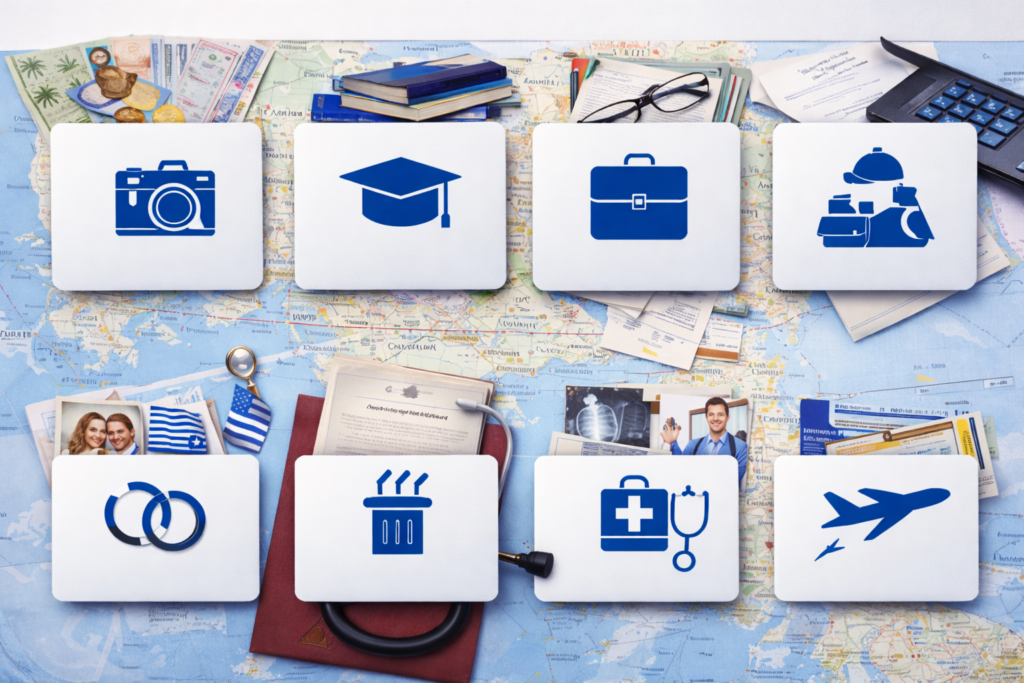
    Understanding the different types of Greece visa for Indians is important before starting the application process, as the visa category depends on the purpose and length of stay. Greece follows Schengen visa rules, so Indian travellers must choose the correct visa to avoid delays or rejection.

    Uniform Schengen Visa

    • The most common Greece visa for Indians
    • Allows stays of up to 90 days within a 180-day period
    • Suitable for tourism, business visits, family visits, and short events
    • Valid across all Schengen countries

    National Schengen Visa

    • Required for stays longer than 90 days
    • Usually valid for up to 12 months and renewable
    • Issued for study, employment, or long-term residence in Greece

    Medical Visa

    • For Indians travelling to Greece for medical treatment
    • Requires medical reports, hospital confirmation from Greece, and a doctor’s recommendation
    • Falls under short-stay or long-stay, depending on treatment duration

    Greece Student & Training Visa

    • For students admitted to a recognised Greek institution
    • Proof of admission and fee payment is mandatory
    • Allows stay for the entire course duration
    • Students may take up unpaid internships related to their studies

    Greece Spouse / Family Reunion Visa

    • For spouses of Greek citizens or legal residents
    • Allows the spouse to live in Greece, subject to immigration approval

    Tourist Visa

    • Issued for leisure travel, sightseeing, and holiday
    • Valid for up to 90 days
    • Requires a confirmed itinerary and return travel proof

    Greece Official Delegation Visa

    • For attending official meetings, conferences, or government events
    • A formal invitation letter is compulsory

    Greece Cultural, Sports & Event Participation Visa

    • For participation in cultural events, sports competitions, film shoots, or religious activities
    • A short-stay visa is valid only for the event duration

    Business Visit Visa

    • For business meetings, conferences, or negotiations
    • Does not permit starting or running a business in Greece
    • Issued as a short-stay Schengen visa

    Greece Airport Transit Visa

    • Required for Indians transiting through a Greek airport en route to a non-Schengen country
    • Does not allow entry into Greece or the Schengen zone

    Choosing the right Greece visa for Indians ensures a smoother application process and compliant entry into the country.

    Complete Guide to Greece Visa Requirements, Appointment, Processing Time and Validity

    Greece Visa Requirements
    Indian passport holders travelling to Greece must apply for a Schengen visa in advance. Below is a detailed and accurate breakdown of the Greece visa requirements for indian citizens, suitable for tourism, business, or visiting family and friends.

    1. Valid Passport

    • Issued within the last 10 years
    • Valid for at least 3 months beyond your return date
    • Minimum two blank pages
    • No visible damage

    2. Completed Visa Application Form

    • Filled online or offline as per official instructions
    • Signed by the applicant
    • Details must exactly match the passport and travel documents

    3. Passport Size Photographs

    • Two recent colour photos
    • White background, matte finish
    • Size 35mm x 45mm
    • Neutral facial expression, no headgear except for religious reasons

    4. Cover Letter

    • Clearly explains the purpose of travel
    • Travel dates and itinerary
    • Details of accommodation and financial responsibility
    • Signed by the applicant

    5. Proof of Travel Arrangements

    • Confirmed or reserved return flight tickets
    • Day-wise travel itinerary if visiting multiple cities

    6. Proof of Accommodation

    • Hotel booking confirmations covering the entire stay
    • Or an invitation letter from the host in Greece with the address and ID proof

    7. Travel Medical Insurance

    • Mandatory Schengen insurance
    • Minimum coverage of €30,000
    • Valid across all Schengen countries
    • Covers medical emergencies and repatriation

    8. Proof of Financial Means

    • Last 6 months’ bank statements with the bank seal
    • Salary slips or income proof
    • ITR acknowledgement if available
    • Sponsor letter and sponsor bank documents, if applicable

    9. Employment or Occupation Proof

    • Employed: Leave letter and NOC from employer
    • Self-employed: Business registration and company bank statements
    • Students: Bonafide letter from the institution
    • Retired: Pension statement or proof of funds

    10. Biometric Data

    • Fingerprints and a photograph, collected at the visa centre
    • Mandatory unless exempt due to recent Schengen visa history

    11. Visa Fee

    • Adults: €90
    • Children 6 to 12 years: Free of charge
    • Payable at the visa application centre
    • Service charges apply separately

    Important Notes

    • Apply at least 15 working days before travel, up to 6 months in advance
    • Documents must be genuine and consistent
    • The Embassy may request additional documents or an interview
    • Visa approval is discretionary and not guaranteed

    Meeting all Greece visa requirements for indian citizens carefully and accurately greatly improves the chances of approval and ensures a smooth start to your journey.

    Greece Visa Appointment: Step-by-Step Booking Process 
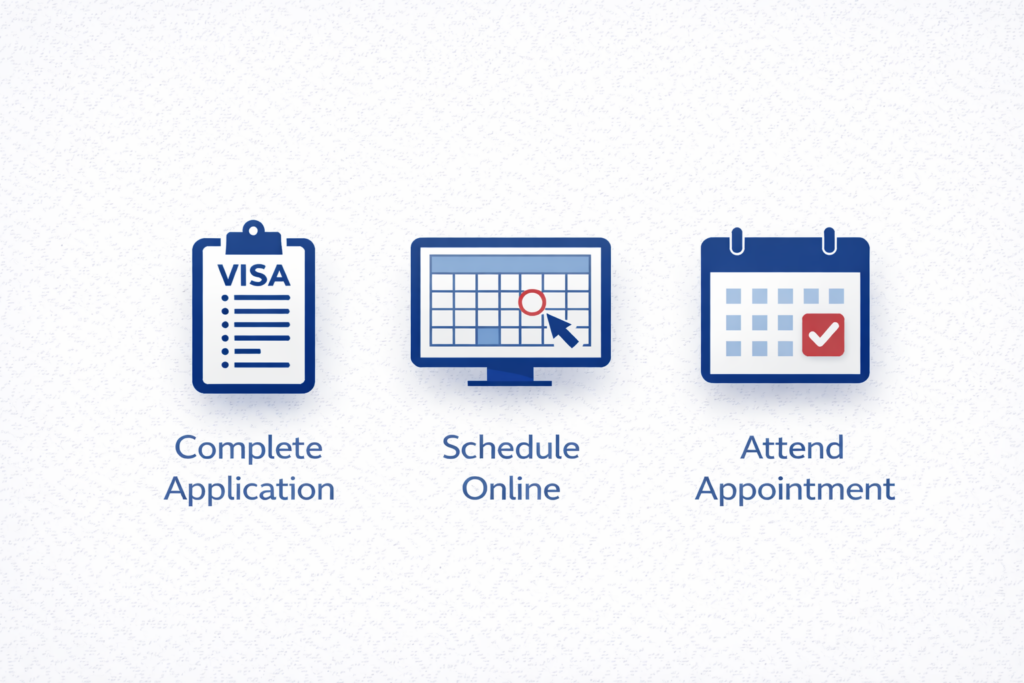
    1. Prepare Before Booking

    Decide your purpose of travel (tourism, business, etc.) and complete the required visa application form online first. Filling the form in advance reduces waiting time at the visa centre later.

    Note: You can apply for a Greek visa up to six months before your planned travel date.

    2. Create an Account or Login

    Visit the official Greece visa portal and either create a new account or log in to your existing one so that you can manage your application and appointment.

    When you first log in, you may be asked to select a Visa Application Centre (VAC) based on your place of residence in India.

    3. Choose Your Visa Application Centre (VAC)

    Select a VAC near your city from the list of locations across India, such as New Delhi, Mumbai, Bangalore, Chennai, Kolkata, Ahmedabad and others. These centres handle your document submission and biometric appointment.

    4. Schedule Your Appointment Online

    Once logged in and your details are in place:

    • Go to the “Schedule Appointment” page on the official portal.
    • Choose a date and time slot that works for you.
    • Confirm the appointment and print the appointment confirmation/booking letter. You must take this to the visa centre on the appointed day.

    Important: If your travel plans change, cancel your booked slot promptly through the online system so it becomes available for others.

    5. Attend the VAC Appointment

    On the scheduled date:

    • Arrive at the selected VAC with your printed appointment letter, passport and all required supporting documents.
    • At the VAC, you will submit originals, provide biometric data (photo and fingerprints) and pay any applicable fees.

    What is the Average Processing Time 

    Greece visa applications are usually processed within 10 to 15 calendar days after submission.

    • Peak season delays: During busy travel periods or if additional checks are required, processing may take up to 30 calendar days.
    • Tracking your application: Applicants can track the visa status online through the authorised visa application centre’s tracking system.
    • Start of processing: Visa processing begins only after the Greek Embassy receives a complete application with all required documents and no discrepancies.

    Important note: Incomplete or incorrect documents can result in delays or extended processing time.

    What Happens After Submission

    Once your application is submitted, you can track your application online using the reference number and passport details provided at VAC. When your passport is returned, either collect it from the VAC or have it couriered to your address.

    Tip: Appointments can fill up quickly during peak travel seasons, so book as early as possible. Also, only use the official Greece visa portal to schedule your appointment to avoid unofficial and unauthorised services.

    Greece Visa Validity for Indians

    • Tourist Visa (Schengen Type C)
      • Valid for up to 90 days within a 180-day period
      • Issued as a single-entry or multiple-entry
    • Business Visa (Schengen Type C)
      • Allows a stay of up to 90 days within 180 days
      • Available as a single or multiple entry
    • Student Visa (National Type D)
      • Valid for the full duration of the academic course
      • Can be issued as a single or multiple entry, followed by a residence permit
    • Work Visa (National Type D)
      • Valid for the length of the employment contract
      • May allow single or multiple entries, depending on approval
    • Family Reunification Visa
      • Valid for up to one year, with renewal options
      • Issued with multiple entry permission

    Important to Know

    Final validity and entries are at the discretion of the Greek Embassy, based on documents and travel history.

    Tourist and business visas are short-stay Schengen visas. Student, work, and family visas are long-stay national visas.

    Common Mistakes to Avoid

    • Submitting documents not listed on the official Greece visa requirements for Indians checklist, which can lead to rejection or delays.
    • Booking the Greece visa appointment too late, especially during high-demand periods, when slots fill quickly.
    • Completing an incomplete application form or providing travel insurance that does not meet the Schengen minimum coverage requirement of €30,000.
    • Submitting unnecessary or excessive bank statement pages, instead of only the recent required statements showing sufficient funds.

    Quick Tips for Indian Applicants

    • Apply well ahead of peak travel seasons to secure your appointment and processing window.
    • Keep clear copies of all supporting documents submitted with your application
    • Use a confirmed travel itinerary and flight reservations, rather than refundable or tentative bookings.
    • Always review the latest Greece visa requirements and checklist on the official visa portal before submitting your application to ensure accuracy and completeness.

    How to Renew Greece Visa for Indians 

    • Greece visa renewal for Indians is allowed only under specific conditions, and tourist visa extensions are generally not approved unless there are exceptional circumstances.
    • You must visit the Aliens Bureau in Athens or the nearest immigration office at least two weeks before your visa expiry or departure date.
    • The applicant must have stayed in Greece for less than 90 days at the time of applying for renewal or extension.
    • A valid reason for extension must be provided along with accurate and complete supporting documents meeting Greece visa requirements.
    • The prescribed visa extension fee must be paid, and approval remains at the discretion of Greek authorities.

    FAQs

     Do Indians need a visa to travel to Greece?

    Yes, Indian passport holders must obtain a visa before travelling to Greece. Greece is part of the Schengen Area, so Indians require a valid Schengen visa for short stays such as tourism or business. There is no visa on arrival facility for Indian citizens. Applying in advance with complete documentation ensures legal entry and avoids last-minute travel disruptions.

    What type of visa do Indians need for a holiday in Greece?

    For leisure travel, Indians must apply for a Schengen short-stay visa, commonly known as the Greece tourist visa. This visa allows travel for sightseeing, island hopping, cultural exploration, or visiting friends and family. It permits stays of up to 90 days within a 180-day period and can be issued as a single or multiple entry, depending on eligibility.

    How long does it take to process a Greece visa from India?

    The standard processing time for a Greece visa from India is usually between 10 and 15 calendar days after submission. During peak travel seasons or when additional checks are required, processing may extend up to 30 days. Applications are reviewed only after the embassy receives a complete file with no missing or incorrect documents.

    What are the Greece visa requirements for Indian citizens?

    The Greece visa requirements for indian citizens include a valid passport, a completed application form, travel insurance with minimum €30,000 coverage, confirmed accommodation, return travel itinerary, proof of sufficient funds, and a cover letter explaining the purpose of travel. Additional documents may be required based on employment status or travel purpose, and biometric submission is mandatory.

    How much are Greece visa fees for Indians?

    The standard Greece visa fees for adults are €90, while children below 12 years of age are exempt from fees. These visa fees for Indian applicants are payable at the visa application centre and are non-refundable, even if the visa is refused. Service charges may apply separately.

    Can Indians travel to other Schengen countries with a Greece visa?

    Yes, a valid Greece visa allows Indian travellers to visit other Schengen countries during the same trip, provided Greece is the main destination or first point of entry. The total stay across all Schengen states must not exceed 90 days within a 180-day period. Border authorities may request proof of travel plans if questioned.

     Is travel insurance mandatory for a Greece tourist visa from India?

    Yes, travel insurance is compulsory when applying for a Greece tourist visa from India. The policy must cover medical emergencies, hospitalisation, and repatriation with a minimum coverage of €30,000. Insurance must be valid for the entire duration of stay and across all Schengen countries. Applications without compliant insurance are usually rejected.

    Can a Greece visa be extended after arrival?

    Visa extensions in Greece are granted only in exceptional circumstances such as medical emergencies or force majeure. Tourist visa extensions are generally not approved. Applicants must apply before visa expiry at the competent immigration authority and provide strong justification. Approval is discretionary and not guaranteed, so travellers should plan their stay strictly within the granted validity.

    Is Greece visa approval guaranteed for Indian applicants?

    No visa approval is guaranteed. Each Greek visa for Indian applicants is assessed individually based on travel history, financial stability, documentation accuracy, and purpose of visit. Submitting genuine documents, clear itineraries, and strong financial proof improves approval chances. Incomplete forms, weak travel justification, or inconsistent records are common reasons for refusal.

    When is the best time to apply for a Greece visa from India?

    It is advisable to apply at least three to four weeks before your planned travel date. Applications can be submitted up to six months in advance. Applying early helps secure appointment availability and allows time for processing delays. A properly planned Greek visa application ensures smoother travel preparations and reduces the risk of last-minute issues.
  • How to Plan a Nusa Penida Day Trip From Bali

    How to Plan a Nusa Penida Day Trip From Bali

    Planning a day trip to Nusa Penida can feel overwhelming if you are visiting Bali for the first time. From choosing the right ferry to deciding which attractions you can realistically cover in one day, good planning makes all the difference. This guide on breaks everything down clearly, so you can make the most of your time without stress. While some travelers prefer planning independently, others opt for Bali tour packages that include guided island trips for added convenience. Either way, understanding transport options, timings, places to visit, and local tips will help you plan a smooth and memorable experience.

    Where Is Nusa Penida and Why Visit

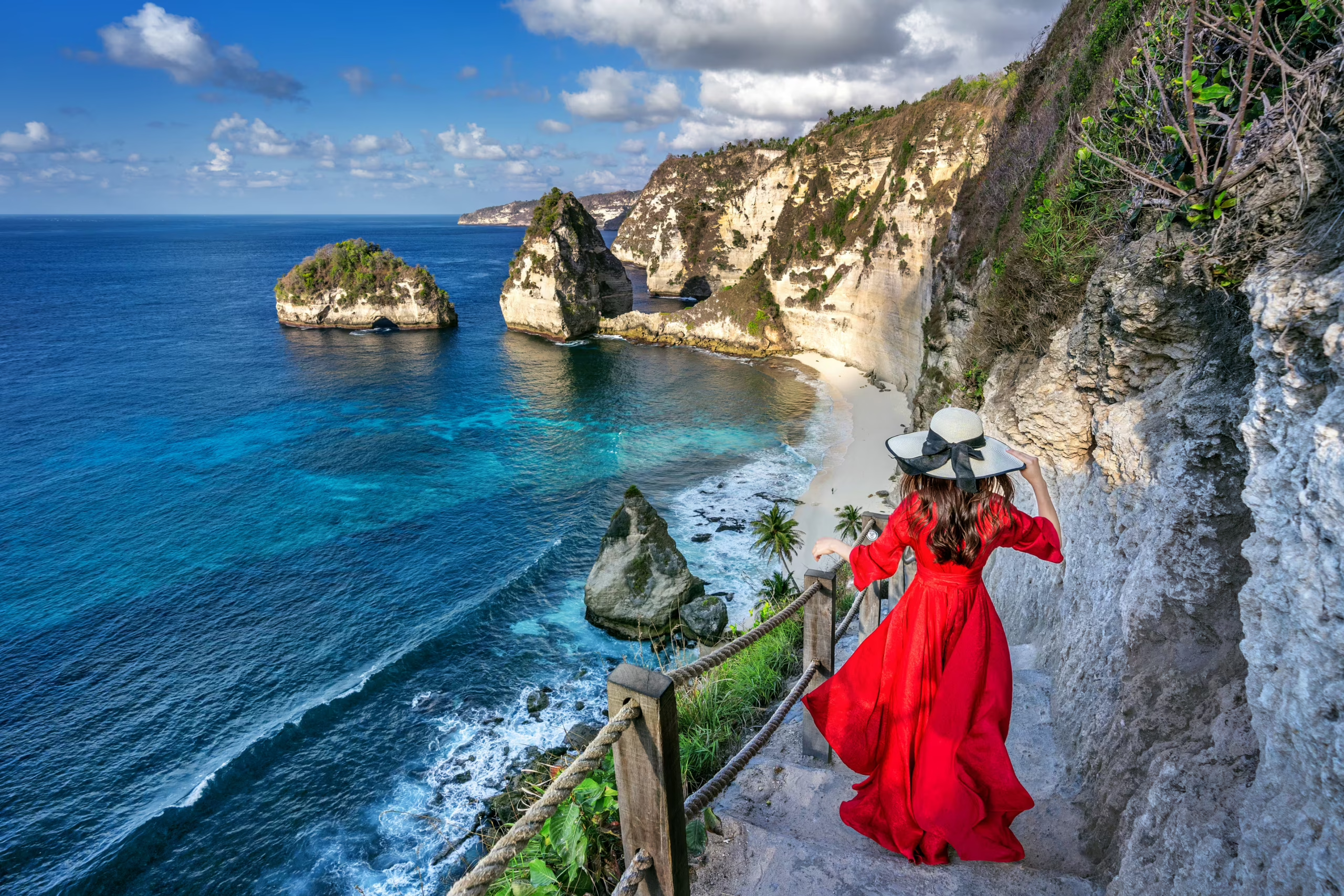
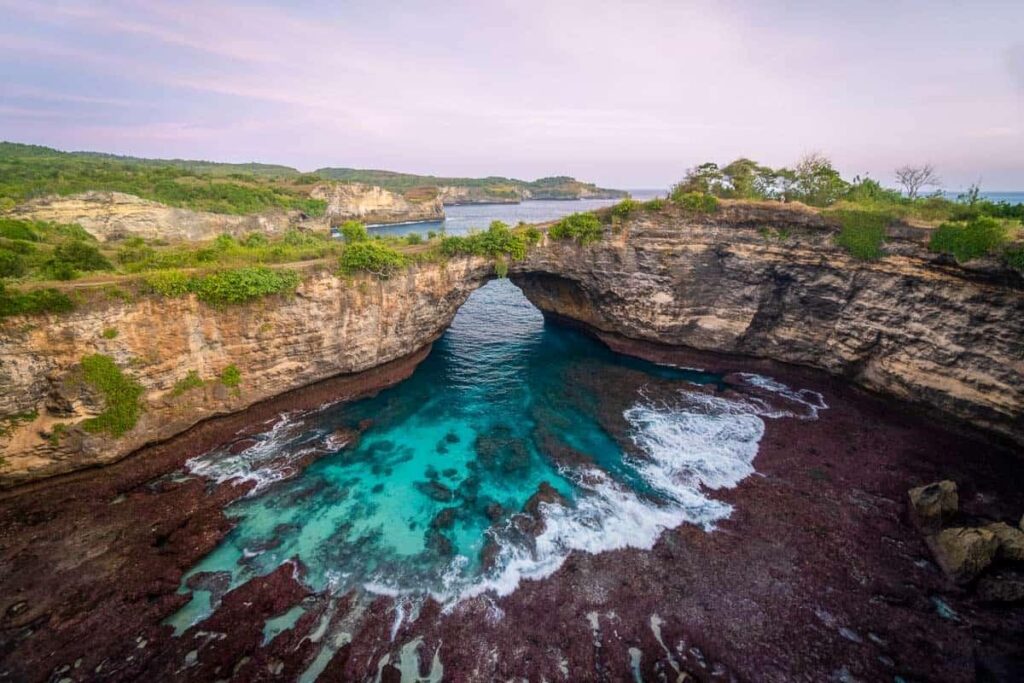
    Nusa Penida is a rugged island located southeast of Bali, known for its dramatic cliffs, turquoise waters, and iconic viewpoints. It is famous for spots like Kelingking Beach, Broken Beach, and Angel’s Billabong. A well-planned Nusa Penida day trip from Bali lets you experience the island’s highlights without staying overnight, making it ideal for travelers on a tight schedule.

    Ferry Options for a Nusa Penida Day Trip

    Choosing the right ferry is one of the most important steps when planning how to plan a Nusa Penida day trip from Bali.

    Fast Boat Options

    Fast boats are the most popular and time-efficient option.

    • Departure points: Sanur Harbour (most common)
    • Travel time: 30 to 45 minutes one way
    • Cost: ₹1,500 to ₹3,000 for a round trip

    These boats operate frequently in the morning, making them ideal for travelers planning a day trip.

    Public Boat vs Private Operators

    • Public boats are cheaper but less frequent
    • Private fast boats offer better schedules, comfort, and reliability

    Tip: Always book morning ferries to maximize sightseeing time.

    Ferry Timings You Should Know

    Understanding ferry timings is crucial for a smooth Nusa Penida day trip from Bali.

    • First ferries: Around 7:00 AM to 8:00 AM
    • Last return ferries: Around 4:00 PM to 5:30 PM

    Missing the last ferry may force you to stay overnight, so always plan conservatively.

    Places to Cover on a One-Day Nusa Penida Itinerary

    If you only have one day, it is important to prioritize. Trying to cover everything is unrealistic.

    West Nusa Penida (Most Popular)

    Broken Beach

    Ideal for first-time visitors.

    • Kelingking Beach
    • Broken Beach
    • Angel’s Billabong
    • Crystal Bay

    This route is best for travelers following how to plan a Nusa Penida day trip from Bali efficiently.

    East Nusa Penida

    Diamond Beach

    Better for those who prefer fewer stops.

    • Diamond Beach
    • Atuh Beach
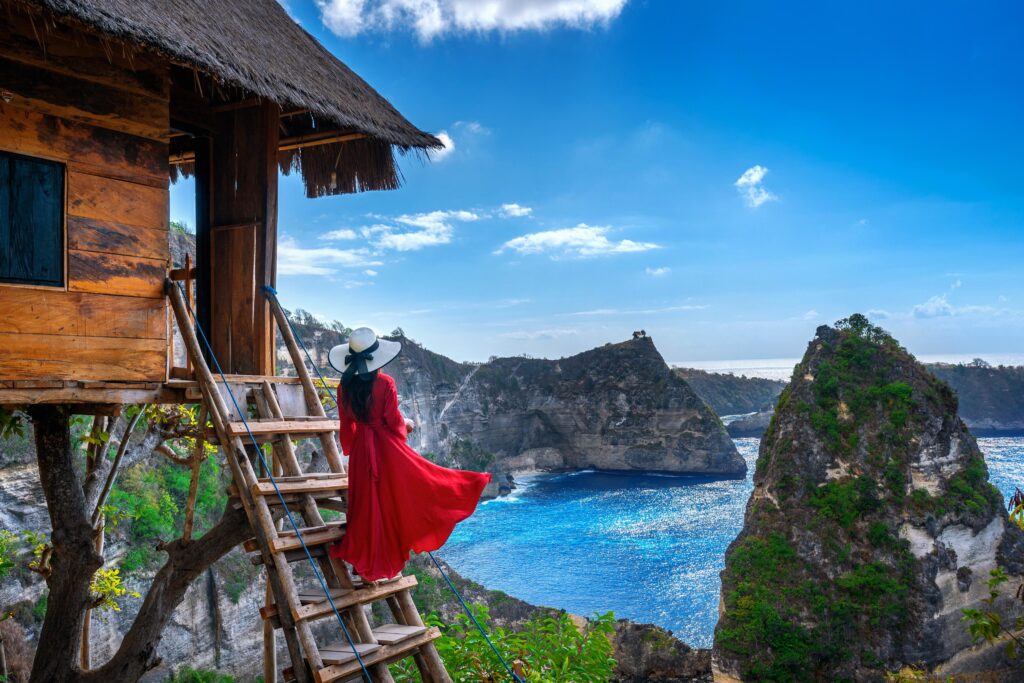
    • Tree House (Molenteng)

    Tip: Do not mix east and west in one day unless you are on a guided tour.

    Travel Tips for a Smooth Day Trip

    These tips can save time and avoid frustration:

    • Start early and catch the first ferry
    • Carry cash as ATMs are limited
    • Wear comfortable shoes with good grip
    • Keep buffer time for ferry delays
    • Avoid tight schedules during peak season

    Planning smartly is key to enjoying your Nusa Penida day trip from Bali without rushing.

    Do’s and Don’ts in Nusa Penida

    Do’s in Nusa PenidaDon’ts in Nusa Penida
    Follow local safety signsSwim at unsafe beaches without checking conditions
    Carry enough water and sunscreenAttempt cliff viewpoints without proper footwear
    Respect local customs and natureOverload your one-day itinerary
    Plan realistic travel timesRely entirely on mobile data everywhere

    Final Thoughts

    A well-organized plan can turn a rushed outing into a rewarding island adventure. Understanding ferry options, timings, must-see places, and local travel tips is essential when learning how to plan a Nusa Penida day trip from Bali. By choosing the right route, starting early, and planning transport wisely, you can experience the best of Nusa Penida in just one day without stress.

    FAQs

    Is one day enough for a Nusa Penida trip from Bali?

    Yes, one day is enough to visit the main highlights of Nusa Penida if you plan your trip well. A day trip usually allows you to cover either West Nusa Penida or East Nusa Penida, but not both comfortably.

    What is the best ferry option for a Nusa Penida day trip?

    Fast boats from Sanur Harbour are the best option for a Nusa Penida day trip from Bali. They are quicker, more frequent, and better suited for travelers returning the same day.

    What is the best time to visit Nusa Penida?

    The best time to visit Nusa Penida is during the dry season, from April to October. Morning visits are ideal for sightseeing and better weather conditions.

    Which side of Nusa Penida is better for a one-day trip?

    West Nusa Penida is better for a one-day trip as it includes popular attractions like Kelingking Beach, Broken Beach, and Angel’s Billabong, all located closer to each other.

    What should I pack for a Nusa Penida day trip?

    Carry comfortable footwear, sunscreen, water, cash, a hat, and motion-sickness tablets if you are sensitive to boat rides. Mobile connectivity may be limited in some areas.

    Is swimming allowed at all beaches in Nusa Penida?

    No, swimming is not allowed at all beaches due to strong currents and waves. Always check local warnings and only swim where it is considered safe.

  • Lower TCS on Overseas Tour Packages After Budget 2026

    Lower TCS on Overseas Tour Packages After Budget 2026

    The Union Budget 2026 has brought much needed relief for Indians planning to travel abroad. One of the most traveller friendly announcements this year is the reduction in Tax Collected at Source (TCS) on overseas tour packages. This move is expected to ease the financial burden on travellers and encourage more people to plan international holidays without worrying about heavy upfront tax deductions.

    How TCS Applies to International Travel for Indian Residents

    TCS, or Tax Collected at Source, applies when authorised dealers, banks, or travel operators collect tax from an Indian resident who spends money on foreign travel or sends funds abroad under the Liberalised Remittance Scheme.

    When you book an overseas tour package from India, the travel company is required to collect TCS on the total package cost and deposit it with the government. This amount is linked to your PAN and can be adjusted while filing your income tax return. However, the main issue for travellers has always been the high upfront payment, not the final tax liability.

    Earlier, travellers had to block a large amount of money at the time of booking, which affected travel budgets and cash flow even though the tax was refundable later.

    What Changed in Budget 2026?

    Before Budget 2026, Indian travellers faced a tiered TCS structure when booking overseas tour packages. Trips costing up to ₹10 lakh attracted a 5 % TCS, while packages costing more than ₹10 lakh were hit with a steep 20 % TCS. High upfront TCS meant travellers had to part with a significant amount of cash at the time of booking, which often led to liquidity pressures.

    However, the Union Government led by Finance Minister Nirmala Sitharaman has simplified and reduced the TCS on overseas tour packages to a flat 2 %, regardless of the package cost. This new rate applies from the start of the financial year 2026-27 and replaces the earlier slabs entirely.

    Why This Matters for Travellers

    The reduction in TCS is more than just a statistical change. It directly affects how much travellers need to pay when they book international holidays. Here’s why this matters:

    Lower Upfront Payment
    With a flat TCS rate of 2 percent, travellers pay less at the time of booking and keep more money in hand. Even though they can adjust or claim TCS as a refund while filing income tax returns, the upfront savings help cover expenses like flights, hotels, or travel insurance.

    Increased Travel Planning Flexibility
    Earlier high TCS rates dissuaded many middle-income families from booking foreign trips due to the large upfront cash requirement. Now, with a single, low 2 % rate and no threshold limit, planning and committing to international travel has become easier and more predictable.

    Boost for Outbound Tourism Industry
    Travel agents, tour operators, and airlines are already reporting a surge in enquiries for destinations like Bali, Krabi and Oman, as travellers take advantage of the lower TCS to finally book long-awaited trips. This suggests that the TCS cut could lead to a noticeable rise in outbound tourism demand across Asia, the Middle East and Europe.

    Other Areas Benefiting from Reduced TCS

    The Budget didn’t stop at overseas travel. The TCS reductions under the Liberalised Remittance Scheme (LRS) now also apply to:

    • Education – Parents sending money abroad for tuition fees and living expenses will see lower upfront TCS.
    • Medical Treatment Abroad – Families paying for healthcare overseas will also benefit from the reduced TCS of 2 %.

    These measures collectively ease the financial burden on individuals who regularly make foreign remittances for legitimate personal purposes.

    What This Means for Your Next Trip

    If you’ve been postponing an international vacation because of the hefty TCS charges, now is a great time to revisit those travel plans. With the new flat 2 % rate:

    • You can manage travel budgets more effectively.
    • More travellers can consider long-haul or premium itineraries.
    • First-time international travellers may find it easier to commit without the fear of high upfront taxes.

    Conclusion

    The Budget 2026 TCS reforms represent a traveller-friendly shift in policy that aligns with India’s growing appetite for international travel. By reducing the TCS on overseas tour packages to a flat 2 % and extending similar relief for foreign education and medical remittances, the government has eased the upfront financial burden travellers face. The result is a more affordable and accessible pathway to foreign destinations for Indian citizens.

    Whether you’re planning a family holiday, a honeymoon, or a long-awaited educational trip for your child, this Budget has made it easier to turn international travel dreams into reality.

    FAQs

    What is TCS on overseas tour packages?

    Travel operators or banks collect TCS when an Indian resident books an international tour package. They deposit the amount with the government, and travellers can adjust it while filing their income tax returns.

    What is the TCS rate on foreign travel after Budget 2026?

    After Budget 2026, a flat 2 percent TCS is applicable on overseas tour packages, regardless of the total trip cost.

    Is TCS refundable on international travel?

    Yes, TCS is not an extra tax. You can claim it as a refund or adjust it against your total tax liability when you file your income tax return.

    Does TCS apply to all types of foreign travel?

    TCS applies mainly to overseas tour packages purchased from Indian travel operators. Different rules may apply for foreign remittances made under the Liberalised Remittance Scheme.

    Who benefits the most from the reduced TCS rate?

    Middle income families, first time international travellers, honeymoon couples, and people booking high value tour packages benefit the most from the reduced TCS rate.

  • Switzerland Visa for Indians

    Switzerland Visa for Indians

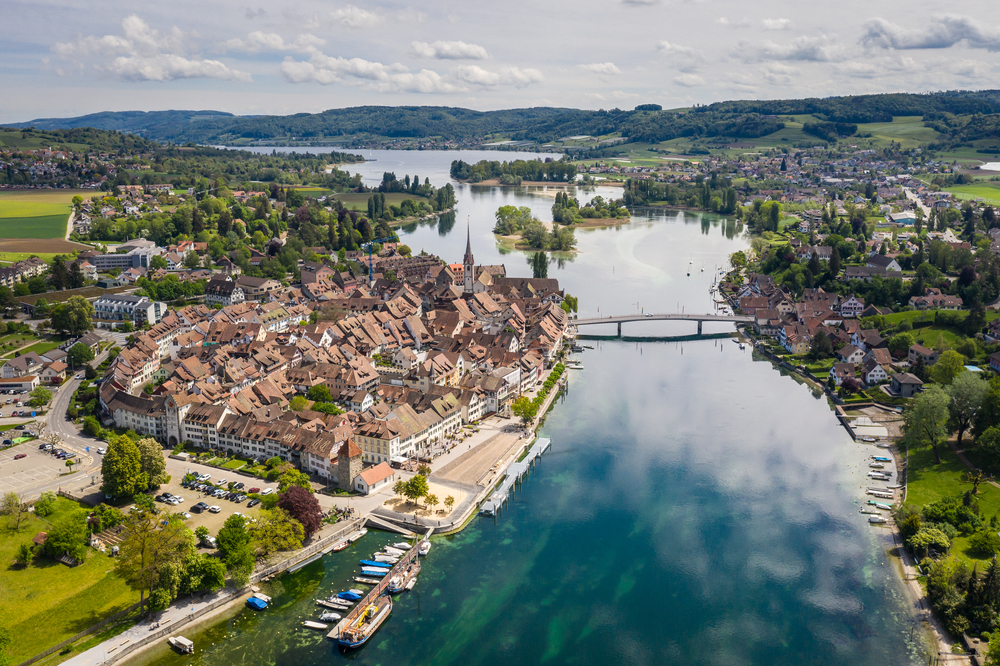
    Switzerland is one of the most sought-after destinations for Indian travelers due to its stunning Alpine scenery, world-class education system, strong economy, and vibrant cities like Zurich, Geneva, and Lucerne. Whether you are planning a leisure holiday, business trip, higher studies, or visiting family, obtaining a Switzerland Visa is a mandatory step before travel. The country is part of the Schengen zone, allowing visa holders to explore multiple European countries with a single permit. 

    For Indian applicants, understanding eligibility criteria, documentation, and timelines is essential to ensure a hassle-free experience. Applying for a Switzerland visa for Indians requires careful preparation, including valid travel insurance, financial proof, accommodation details, and a clear travel purpose.

    The Switzerland visa process for Indians is systematic and transparent, designed to verify the applicant’s intent and travel readiness. It involves submitting an application form, scheduling an appointment, providing biometric data, and attending an interview if required. 

    This guide walks you step-by-step through the Switzerland visa process, including preparation, the appointment, documentation, processing time, and post-submission steps

    Do Indians Need a Visa to Visit Switzerland?

    Indians need a visa to travel to Switzerland. The visa application requires submitting documents such as a valid passport, travel itinerary, proof of accommodation, travel insurance, and financial statements. Applications can be submitted at the Swiss Embassy or authorised visa centres. Processing usually takes 15 calendar days, but it’s recommended to apply at least 3 to 4 weeks in advance. 

    Visa requirements may vary depending on the purpose and duration of stay, so careful planning is essential. Different Switzerland visa types are available depending on travel needs, such as tourist, business, student, or work visas. Switzerland is part of the Schengen Area, so most short-stay visits (up to 90 days) require a Schengen visa. There is no visa-free entry or visa-on-arrival for Indian passport holders.

    Types of Switzerland Visas Available

    Depending on your purpose, you may apply for:

    • Tourist Visa (Short-stay Schengen Visa: Type C) – It allows Indians to visit Switzerland for tourism or leisure for up to 90 days within a 180-day period.
      • Extra Information: ‘Schengen’ refers to a group of European countries that have abolished internal border controls, allowing people to travel freely between them without passport checks. Together, these countries form the Schengen Area.
      • If you get a Switzerland Visa (Schengen), you can also visit France, Italy, Germany, Spain, and other Schengen countries during the same trip.
    • Business Visa – It is for attending business meetings, conferences, or short-term professional activities in Switzerland, usually valid for up to 90 days.
    • Visit/Family & Friends – It enables Indians to visit relatives or friends in Switzerland for a short stay, also up to 90 days.
    • Student or Work Visas (Longer stays) – it is required for Indians planning to study, work, or live in Switzerland beyond 90 days, involving a more detailed approval process.

    Each type has slightly different Switzerland visa requirements and supporting documents, but the core process remains the same for most short-stay visas.

    Complete Guide to Switzerland Visa: Requirements, Appointment Booking, Submission, and Fees

    Switzerland Visa Requirements

    Switzerland Visa Requirements
    • Valid Passport
      • Issued within last 10 years
      • At least 3 months’ validity beyond your return date
      • Minimum 2 blank pages 
    • Visa Application Form
      • Filled, signed and current form from the official website
    • Photographs
      • Passport size, white background, taken in last 6 months 
    • Travel Medical Insurance
      • Minimum coverage of €30,000
      • Valid in all Schengen countries
    • Confirmed Return Flight Tickets
    • Hotel/Accommodation Bookings
    • Proof of Financial Means
      • Bank statements (last 3 months); sometimes only first/last 3 pages accepted due to stricter rules
    • Employment/Income Proof (for salaried/business/self-employed)
      • No-Objection Letter, salary slips, business proof, etc. 

    Note: Follow the checklist exactly; submissions outside the official list may not be processed.

    Switzerland Visa Appointment: How to Book

    Switzerland Visa Appointment

    Where to Book

    All Indian applicants must schedule a Switzerland visa appointment at an authorised VFS Global Visa Application Centre. 

    Steps to Book

    • Visit the official VFS Global Switzerland site.
    • Fill the visa application form online first.
    • Select the visa category and preferred VFS centre.
    • Choose appointment date & time.
    • Pay the service/appointment fee (varies by location).

    Important Tips

    • Appointments open up to 6 months before travel and must be booked early, especially in peak seasons (May to Sept). 
    • Aim to schedule around 45 days before travel to avoid date constraints. 

    Switzerland Visa Application Submission

    Switzerland Visa Application Submission

    On your appointment day:

    • Carry all original documents and copies per checklist.
    • Present your appointment confirmation and passport.
    • Biometric data (fingerprint + photo) is mandatory for applicants aged 12 and above. 

    At the VFS Centre

    • Security check
    • Document verification
    • Biometrics collection
    • Submission of the application file

    Average Processing Time

    Once submitted:

    • Switzerland visa normal processing time: 10 to 15 calendar days. 
    • In peak periods, processing could take up to 30 days.
    • You can track status via VFS Global.

    Processing begins only after the embassy receives the complete application with no missing documents.

    Fees & Charges

    Typical charges include the following:

    • Schengen Visa Fee (approx. €90 for adults)
    • VFS Service/Processing Charge
    • Optional: courier charges, premium services

    Fees change periodically, so always verify at the time of application.

    What Happens After Application

    You’ll be notified when your passport is ready for:

    • Pick-up from VFS centre, or
    • Courier delivery (if chosen)

    If approved, make sure that you check visa validity dates, number of entries and duration allowed.

    Common Mistakes to Avoid

    • Submitting documents not on the official Switzerland visa checklist, as these may be refused. 
    • Late booking of Switzerland visa appointment.
    • Incomplete forms or insufficient insurance coverage.
    • Submitting more than the required bank statement pages.

    Quick Tips for Indian Applicants

    • Apply well ahead of peak travel seasons
    • Keep copies of all supporting documents
    • Use confirmed travel itinerary instead of refundable bookings
    • Read the latest checklist before submission

    FAQs

    Do Indian citizens need a visa to visit Switzerland?

    Yes, Indian passport holders must obtain a Switzerland Visa before travelling to Switzerland. The country does not offer visa-free entry or visa on arrival for Indians. Since Switzerland is part of the Schengen Area, Indian travellers need a Schengen visa for short stays of up to 90 days. This visa allows travel to Switzerland and other Schengen countries, provided Switzerland is the main destination or first point of entry.

    What type of Switzerland visa should Indians apply for?

    The type of visa depends on your travel purpose. Most tourists apply for a short-stay Schengen tourist visa, while business travellers, students, or those visiting family need specific categories. For short trips, the Switzerland visa for indians is usually a Type C Schengen visa, allowing stays up to 90 days. Long-term stays for study or work require national visas with different documentation and timelines.

    How long does the Switzerland visa process take for Indians?

    The Switzerland visa process typically takes 10 to 15 calendar days after submission at the VFS centre. During peak travel seasons or if additional verification is required, processing may extend up to 30 days. Applicants are advised to apply well in advance, ideally 45 days before travel. Processing begins only after the Swiss Embassy receives a complete application with all required documents.

    What are the main Switzerland visa requirements for Indian applicants?

    The Switzerland visa requirements for Indians include a valid passport, a completed visa application form, recent photographs, travel medical insurance of at least €30,000, confirmed flight tickets, accommodation proof, bank statements, and employment or income proof. The Swiss Embassy follows a strict checklist, so only listed documents are accepted. Submitting extra or missing documents can lead to delays or rejection.

    How do I book a Switzerland visa appointment in India?

    To apply for a Switzerland visa, Indian applicants must book a Switzerland visa appointment through the official VFS Global website. First, complete the online visa application form, then select your visa type and preferred VFS centre. Choose an available date and time and pay the service fee. Appointments can be booked up to six months in advance and fill quickly during peak seasons.

    Is travel insurance mandatory for a Switzerland visa?

    Yes, travel insurance is mandatory for every Switzerland Visa application from India. The insurance must provide minimum coverage of €30,000 and be valid across all Schengen countries for the entire duration of your stay. It should cover medical emergencies, hospitalisation, and repatriation. Applications without valid travel insurance are considered incomplete and may be rejected by the Swiss Embassy.

    Can I travel to other countries with a Switzerland visa?

    Yes, a Schengen Switzerland visa for indians allows you to travel to all 27 Schengen countries, including France, Germany, Italy, and Spain. However, Switzerland should be your main destination, meaning you spend the most time there or enter Switzerland first. The total stay across all Schengen countries must not exceed 90 days within a 180-day period.

    What are the common reasons for Switzerland visa rejection?

    Common reasons include incomplete documentation, insufficient financial proof, invalid travel insurance, late Switzerland visa process initiation, or unclear travel intent. Submitting documents not mentioned in the official checklist or providing inconsistent information can also lead to refusal. To improve approval chances, applicants should follow the checklist strictly, apply early, and ensure all information is accurate and verifiable.

    Is Switzerland under a Schengen visa?

    Yes, Switzerland is part of the Schengen Area, even though it is not a member of the European Union. This means Indian travellers must apply for a Schengen Switzerland Visa for short stays of up to 90 days. With this visa, you can travel freely across all Schengen countries without internal border checks. When applying, Switzerland should be your main destination or first point of entry to ensure compliance with Schengen rules.

    Is Switzerland costly for Indians?

    Yes, Switzerland is considered an expensive destination for Indian travellers due to high costs of accommodation, food, transportation, and activities. However, with smart planning, the trip can be managed within a budget. Expenses depend on travel season, city, and lifestyle choices. While applying for a Switzerland visa for indians, it is important to show sufficient financial proof, as Switzerland expects travellers to demonstrate adequate funds for their entire stay.

  • Best Wildlife Safaris in India

    Best Wildlife Safaris in India

    If you are planning the best wildlife safari in India, this guide will help you choose the right destinations. India is home to a wide range of wildlife and landscapes, including forests, grasslands, wetlands, and national parks spread across the country.

    From tiger reserves and elephant habitats to rhino parks and bird sanctuaries, a wildlife safari in India offers exciting chances to see animals in their natural surroundings. This list covers some of the most popular and reliable wildlife safari destinations in India, selected from trusted wildlife travel sources to help you plan a memorable jungle experience.

    10 Best Wildlife Safari Destinations in India You Must Visit

    1. Kaziranga National Park, Assam

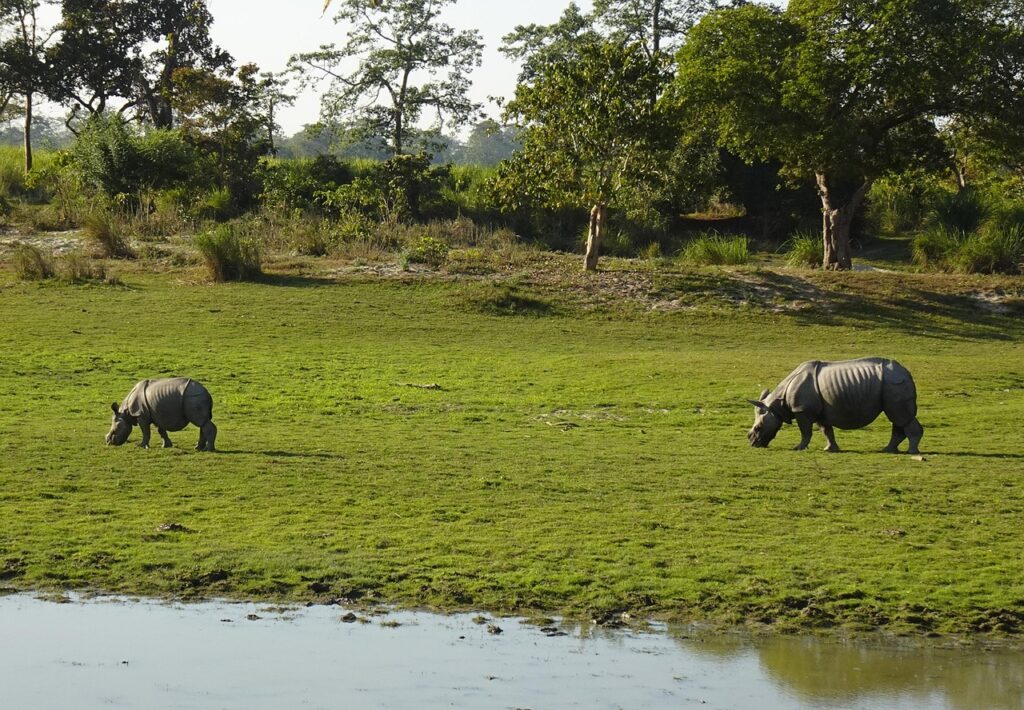
    Known worldwide for its thriving population of the one-horned rhinoceros, Kaziranga National Park is one of the most iconic spots for the best wildlife safari in India. The park’s lush grasslands and marshes are home to tigers, elephants, deer, and a dazzling array of birdlife.

    Location: Assam, North-East India

    How to Reach:
    Fly into Guwahati Airport, then take a taxi or bus to the park. Regular bus services and private transfers make it accessible from major cities.

    Best Time to Visit:
    November to April for pleasant weather and best wildlife sightings.

    Highlights:
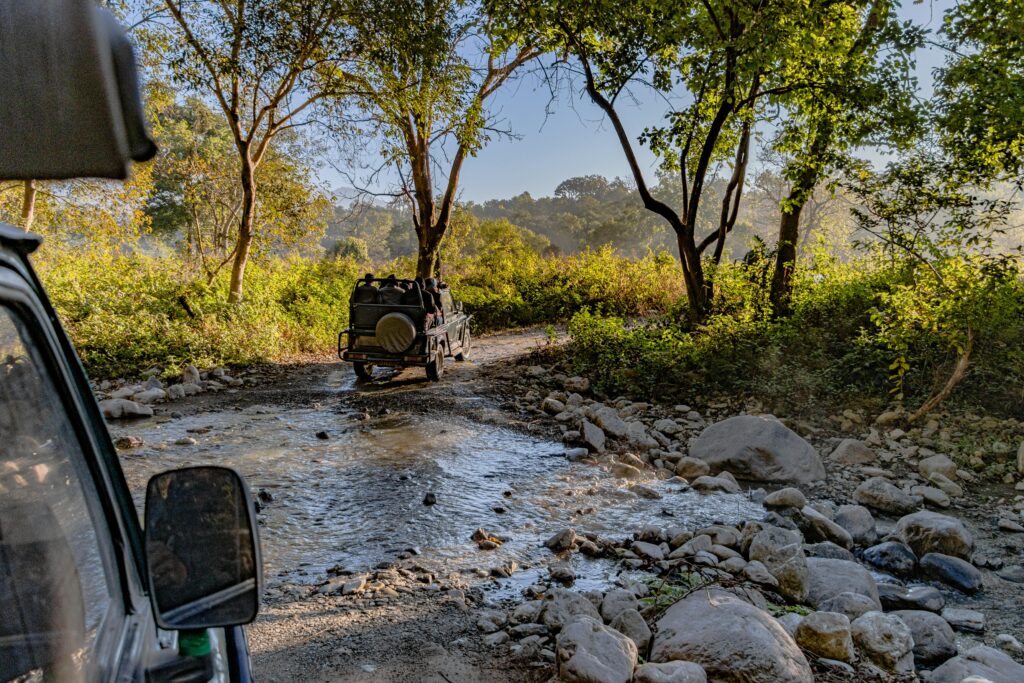
    Forest drives, elephant safaris, birdwatching, and the chance to see rare rhinos and tigers up close.

    2. Jim Corbett National Park, Uttarakhand

    Jim Corbett National Park, Uttarakhand

    One of the oldest parks in India, Jim Corbett is a bucket-list destination for anyone seeking a classic wildlife safari in India. Its dense forests, riverine belts, and open grasslands support tigers, elephants, leopards, and over 500 bird species.

    Location: Uttarakhand, Northern India

    How to Reach:
    The closest airport is Pantnagar, with train and road links from Delhi and other cities.

    Best Time to Visit:
    November to May for prime tiger sightings and comfortable weather.

    Highlights:
    Jeep and canter safaris, birdwatching, scenic landscapes, and historic Dhikala zone safari.

    3. Kanha National Park, Madhya Pradesh

    Kanha National Park, Madhya Pradesh

    Famous as the inspiration behind The Jungle Book, Kanha National Park is one of the best wildlife safari destinations in Central India. Its lush sal forests and sweeping meadows are perfect for spotting tigers, deer, leopards, and wild dogs.

    Location: Madhya Pradesh, Central India

    How to Reach:
    The nearest airport is Jabalpur; regular taxis and buses connect to the park.

    Best Time to Visit:
    October to June when wildlife sightings are most frequent.

    Highlights:
    Photography opportunities, jeep safaris, and rare barasingha sightings.

    4. Bandhavgarh National Park, Madhya Pradesh

    Bandhavgarh National Park, Madhya Pradesh

    With one of the highest tiger densities in India, Bandhavgarh National Park offers an exceptional best wildlife safari in India experience. Its forests house tigers, leopards, deer, and a rich birdlife that makes every safari rewarding.

    Location: Madhya Pradesh, Central India

    How to Reach:
    Nearest airports are Jabalpur and Umaria, making it accessible by road from both cities.

    Best Time to Visit:
    October to March for ideal weather and tiger sightings.

    Highlights:
    Tala and Magadhi safari zones, lush forests, and expert naturalist-led drives.

    5. Ranthambore National Park, Rajasthan

    Ranthambore National Park, Rajasthan

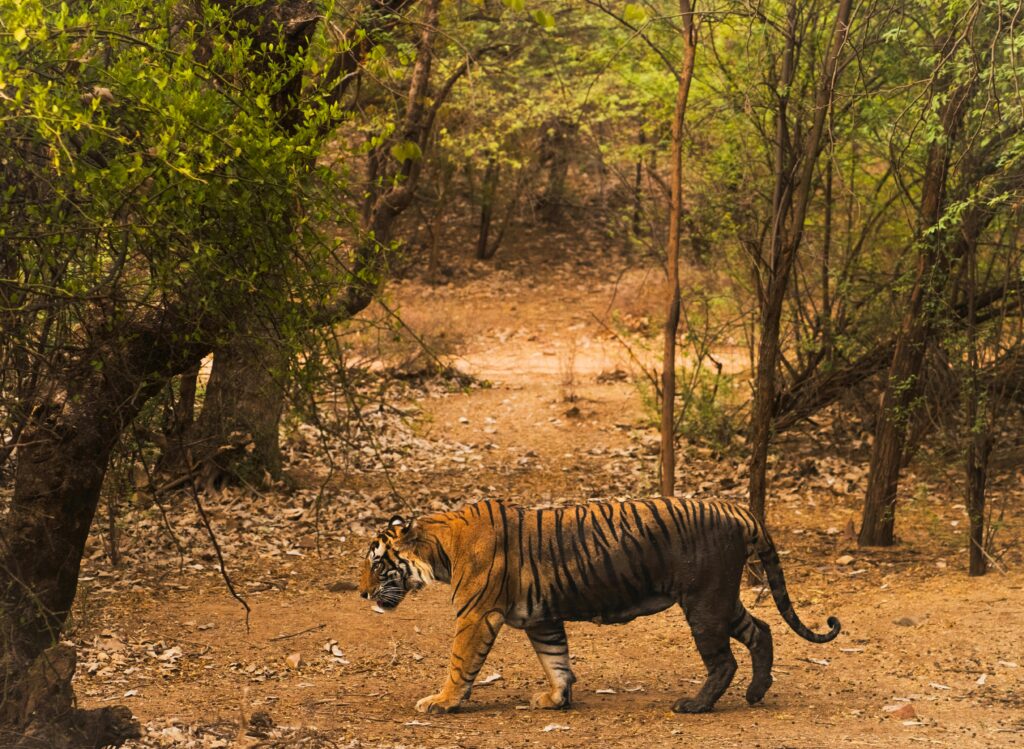
    Ranthambore is one of the most photographed wildlife parks in India and a must-visit place for anyone looking for the best wildlife safari in India. Tigers here roam freely around ancient forts and watering holes, creating dramatic sightings.

    Location: Rajasthan, North-West India

    How to Reach:
    Fly into Jaipur or take a train to Sawai Madhopur, with easy transfers to the park.

    Best Time to Visit:
    October to March for peak tiger sightings.

    Highlights:
    Jeep safaris, historic fort backdrop, and diverse wildlife.

    6. Tadoba Andhari Tiger Reserve, Maharashtra

    Tadoba Andhari Tiger Reserve, Maharashtra

    One of the hidden gems of India, Tadoba Andhari Tiger Reserve is gaining recognition as a top destination for the best wildlife safari in India. Its teak forests and waterholes attract big cats and a variety of other species.

    Location: Maharashtra, Central India

    How to Reach:
    Nearest airports are Nagpur or Chandrapur, followed by road transfer to the reserve.

    Best Time to Visit:
    October to April for prime wildlife viewing.

    Highlights:
    Large tiger population, birdlife, and varied safari routes.

    7. Gir National Park, Gujarat

    Gir National Park, Gujarat

    Home to the majestic Asiatic lions, Gir National Park is a unique stop for anyone exploring wildlife safari in India. The park’s dry deciduous forests and grasslands are full of diverse species and vibrant landscapes.

    Location: Gujarat, Western India

    How to Reach:
    Fly into Diu or Rajkot, with easy road access to the park.

    Best Time to Visit:
    December to March for pleasant visits and lion sightings.

    Highlights:
    Jeep safaris, lion tracking, and rich bird species.

    8. Sunderbans National Park, West Bengal

    Sunderbans National Park- wildlife safari in India,

    For those seeking an exotic wildlife safari in India, the Sunderbans National Park offers a mesmerizing journey through mangrove forests where the Bengal tiger reigns supreme.

    Location: West Bengal, Eastern India

    How to Reach:
    Reach Kolkata, then take a road and boat journey into the Sunderbans delta region.

    Best Time to Visit:
    November to February for comfortable weather and varied sightings.

    Highlights:
    Boat safaris, birdwatching, and unique mangrove ecosystem.

    9. Periyar National Park, Kerala

    Periyar National Park

    Nestled in the Western Ghats, Periyar National Park combines lush forests with scenic lakes, offering a peaceful yet thrilling wildlife safari experience. Elephants, tigers, deer, and abundant birdlife make it one of the best wildlife safari in India.

    Location: Kerala, Southern India

    How to Reach:
    Fly into Kochi or Madurai and then drive to Thekkady, where the park is located.

    Best Time to Visit:
    October to March when weather conditions are pleasant.

    Highlights:
    Boat safaris on Lake Periyar, guided forest walks, and elephant sightings.

    10. Nagarhole National Park, Karnataka

    Nagarhole National Park - best wildlife safari in India

    Part of the Nilgiri Biosphere Reserve, Nagarhole National Park is renowned for its rich wildlife including elephants, tigers, and leopards. A safari here gives a wholesome Indian jungle experience.

    Location: Karnataka, Southern India

    How to Reach:
    Nearest airports are Mysore and Bengaluru, with road connections to the park.

    Best Time to Visit:
    October to May is ideal for wildlife sightings.

    Highlights:
    Jeep safaris, quiet forest trails, and river boat safaris.

    Final Note

    Planning the best wildlife safari in India is about choosing the right destination, understanding how to reach there, noting the best time to visit, and knowing the species you hope to see. These ten safari destinations combine breathtaking landscapes and unforgettable wildlife sightings for every nature lover.

    FAQs

    Which is the best wildlife safari in India?

    The ideal safari experience depends on what you want to see. Ranthambore and Bandhavgarh are popular for tiger sightings, while Kaziranga is known for one-horned rhinos and Gir National Park is famous for Asiatic lions.

    What is the best time for a wildlife safari in India?

    The ideal time to go on a safari is usually from October to March. During this period, the weather remains pleasant and animals are more active, which increases the chances of sightings.

    Which wildlife safari in India is best for tiger sightings?

    Bandhavgarh, Ranthambore, Kanha, and Tadoba are considered some of the best wildlife safari destinations in India for tiger sightings due to their healthy tiger population.

    Are wildlife safaris in India safe for tourists?

    Yes, wildlife safaris in India are safe when done through authorized safari operators and forest departments. Safaris are conducted with trained guides and follow strict safety rules.

    How many days are enough for a wildlife safari in India?

    Ideally, 2 to 3 days are enough for a wildlife safari in India. This allows you to take multiple safaris, increasing the chances of spotting wildlife and enjoying the overall jungle experience.

  • Is Switzerland Better Than Italy for a First Europe Trip?

    Is Switzerland Better Than Italy for a First Europe Trip?

    Planning your first Europe trip can feel confusing, especially when choosing between two iconic countries like Switzerland and Italy.

    Both offer unforgettable experiences, but they suit different travel styles.

    If you are wondering is Switzerland better than Italy for a first Europe trip, this guide will help you decide based on budget, experiences, travel ease, and overall vibe.

    Switzerland Vs Italy? A Simple Guide for First-Time Europe Travellers

    Switzerland vs Italy: A Quick Overview

    FactorSwitzerlandItaly
    Main highlightNatural beauty and scenic viewsCulture, history, and food
    BudgetVery expensiveModerate to high
    Travel paceCalm and relaxedLively and energetic
    Food varietyLimited but high qualityExtremely diverse
    First-time friendlyYes, but costlyYes, more immersive

    Switzerland for a First Europe Trip

    Switzerland is known for its picture-perfect landscapes, clean cities, and efficient transport system.

    For first-time travelers who prefer comfort and nature, it can feel very easy and smooth.

    Why Choose Switzerland?

    • Snow-capped Alps, lakes, and scenic train routes
    • Safe, clean, and well-organized
    • Ideal for couples and honeymoon trips
    • Easy public transport system

    Things to Keep in Mind

    • One of the most expensive countries in Europe
    • Limited cultural diversity compared to Italy
    • Nightlife and city life are relatively quiet

    Switzerland is perfect if your idea of European travel focuses on natural beauty in Europe rather than busy sightseeing.

    Suggested Read: European Destinations with a Mix of Culture and Natural Beauty

    Italy for a First Europe Trip

    Italy is often considered the heart of Europe when it comes to culture, history, and lifestyle.
    For many travelers, Italy feels like a complete European experience.

    Why Choose Italy?

    • Rich cultural experiences with ancient landmarks
    • World-famous food and wine
    • Variety of cities, countryside, and coastlines
    • Better value for money than Switzerland

    Things to Keep in Mind

    • Cities can be crowded in peak season
    • Travel can feel slightly chaotic for first-timers
    • Requires a bit more planning

    Check Out Now: Travel Checklist Before Travelling Out of India

    Switzerland or Italy: Which Is Better for First-Time Travelers?

    Choose Switzerland if:

    • You love mountains and scenic views
    • You want a calm, luxury-style trip
    • Budget is not a major concern
    • You prefer smooth and predictable travel

    Choose Italy if:

    • You want deep cultural experiences
    • You enjoy food, history, and art
    • You are traveling on a mid-range budget
    • You want variety in one country

    Planning a Europe Trip, Checkout Europe Packages Now!

    Final Verdict

    For most first-time Europe travelers, Italy is usually the better choice. It offers more cultural depth, iconic sights, and diverse experiences at a more reasonable cost.

    Switzerland is stunning and peaceful but works better as a second Europe trip or a short add-on.

    Conclusion

    Both Switzerland and Italy are amazing, but your travel style should guide your choice. If culture, history, and food excite you, Italy will feel more rewarding.

    If scenic landscapes and a relaxed pace matter more, Switzerland will not disappoint.

    Have you visited either country or are planning your first Europe trip? Share your thoughts or questions in the comments and let us help you plan the perfect journey.

  • Best International Solo Travel Destinations for First-Time Travellers

    Best International Solo Travel Destinations for First-Time Travellers

    Travelling alone for the first time is a powerful experience. It gives you freedom, confidence, and the chance to explore the world at your own pace. The key to a smooth first solo trip lies in choosing destinations that are safe, easy to navigate, and welcoming to independent travellers.

    This guide features some of the most trusted Solo Travel Destinations around the world. These countries are often considered among the Best International Solo Travel Destinations as they offer a strong balance of safety, comfort, cultural experiences, and memorable moments. They suit different travel styles and are commonly recommended for travellers planning their first solo journey abroad.

    Why These Countries Work for Solo Travel

    The destinations listed below share a few important qualities that make them ideal for first-time solo travellers:

    • Strong safety standards and low crime rates
    • Reliable public transport and clear navigation
    • Friendly locals and tourist-friendly infrastructure
    • Comfortable solo dining and accommodation options
    • Activities that are easy to enjoy independently

    Whether you prefer cities, nature, culture, or a mix of everything, these countries offer a stress-free introduction to international solo travel.

    Top 10 International Solo Travel Destinations

    1. Japan

    Japan is known for its safety, efficiency, and deep cultural heritage. It is one of the easiest countries to explore alone thanks to its organised transport system and respectful social environment.

    Why it suits solo travellers:
    Japan is ideal for first-time solo travellers because everything works smoothly, from trains to accommodation. Solo dining and solo sightseeing are very common, making it comfortable to explore independently.

    Places to visit:

    • Tokyo for modern culture and neighbourhoods
    • Kyoto for temples and traditional streets
    • Osaka for food and nightlife
    • Nara for historic sites and peaceful parks

    Tips:

    • Use transport cards for convenience
    • Learn basic etiquette to feel more confident
    • Convenience stores make solo meals easy

    2. Thailand

    Thailand is one of the most popular solo travel destinations due to its affordability, friendly locals, and strong backpacker culture.

    Why it suits solo travellers:
    Thailand offers a great mix of social and independent travel. It is easy to meet other travellers while still enjoying freedom and flexibility.

    Places to visit:

    • Bangkok for markets and street food
    • Chiang Mai for temples and slow travel
    • Phuket or Krabi for beaches
    • Pai for relaxed mountain scenery

    Tips:

    • Respect temple dress codes
    • Join group activities to socialise
    • Use local transport apps

    3. Netherlands

    The Netherlands is compact, walkable, and English-friendly, making it perfect for solo exploration.

    Why it suits solo travellers:
    Clear signage, safe cities, and a relaxed atmosphere make travelling alone easy and enjoyable.

    Places to visit:

    • Amsterdam for canals and museums
    • Utrecht for a quieter city vibe
    • Haarlem for local culture
    • Zaanse Schans for windmills

    Tips:

    • Rent a bicycle to explore like a local
    • Museums are great solo activities
    • Public transport is efficient

    4. Ireland

    Ireland is famous for its friendly locals and lively cultural scene, making solo travellers feel welcome instantly.

    Why it suits solo travellers:
    The social atmosphere makes it easy to strike up conversations and feel comfortable exploring alone.

    Places to visit:

    • Dublin for history and pubs
    • Galway for coastal charm
    • Cliffs of Moher for scenic views
    • Cork for food and culture

    Tips:

    • Walking tours are great for meeting people
    • Public transport connects major cities well
    • Weather can change quickly

    5. Singapore

    Singapore is one of the safest and cleanest countries in the world, offering a stress-free solo travel experience.

    Why it suits solo travellers:
    Its compact size, excellent transport, and strong safety standards make it ideal for beginners.

    Places to visit:

    • Marina Bay for skyline views
    • Gardens by the Bay for nature
    • Chinatown and Little India for culture
    • Sentosa Island for leisure

    Tips:

    • Use public transport for easy travel
    • Hawker centres are perfect for solo dining
    • Follow local rules strictly

    6. New Zealand

    New Zealand is a dream destination for solo travellers who love nature and outdoor adventures.

    Why it suits solo travellers:
    Friendly locals, organised tours, and stunning landscapes make solo exploration rewarding and safe.

    Places to visit:

    • Queenstown for adventure activities
    • Auckland for city life
    • Rotorua for geothermal attractions
    • Milford Sound for scenic beauty

    Tips:

    • Join group tours for remote areas
    • Driving is straightforward but plan fuel stops
    • Weather varies by region

    7. Canada

    Canada offers a balance of modern cities and vast natural landscapes.

    Why it suits solo travellers:
    It is safe, multicultural, and easy to navigate, especially in major cities.

    Places to visit:

    • Vancouver for nature and city life
    • Toronto for neighbourhoods and culture
    • Banff National Park for mountains
    • Montreal for history and food

    Tips:

    • Summer is best for outdoor exploration
    • Use public transport in cities
    • Nature trips are best done with tours

    8. Spain

    Spain’s relaxed lifestyle and vibrant culture make solo travel enjoyable and social.

    Why it suits solo travellers:
    Late dining hours and tapas culture make eating alone comfortable and common.

    Places to visit:

    • Barcelona for architecture and beaches
    • Madrid for museums and parks
    • Seville for culture and history
    • Valencia for food and festivals

    Tips:

    • Expect late evenings
    • Walking tours are informative
    • Learn basic Spanish phrases

    9. Portugal

    Portugal is affordable, scenic, and welcoming, making it one of the best solo travel destinations for beginners.

    Why it suits solo travellers:
    Compact cities, friendly locals, and relaxed pace make solo travel comfortable.

    Places to visit:

    • Lisbon for trams and viewpoints
    • Porto for riverside walks
    • Algarve for coastal scenery
    • Sintra for palaces

    Tips:

    • Wear comfortable shoes for hills
    • Join food tours to socialise
    • Public transport is easy to use

    10. Iceland

    Iceland is one of the safest countries in the world and ideal for solo travellers seeking nature and solitude.

    Why it suits solo travellers:
    Low crime, organised tours, and breathtaking landscapes make it perfect for independent travel.

    Places to visit:

    • Reykjavik for culture and cafés
    • Golden Circle for waterfalls
    • Blue Lagoon for relaxation
    • South Coast for glaciers

    Tips:

    • Dress in layers
    • Weather can change rapidly
    • Tours help access remote locations

    Final Thoughts

    Your first solo trip sets the tone for many adventures to come. These Solo Travel Destinations offer the right balance of safety, comfort, culture, and memorable experiences, making them ideal for travellers who want to explore the world independently with confidence.

    With thoughtful planning and the right destination, solo travel becomes less about being alone and more about discovering yourself and the world around you.

    FAQs

    Which country is the best to travel alone?

    There is no single best country, but destinations such as Japan, New Zealand, and Iceland are often recommended for solo travel due to their safety, organised infrastructure, and traveler-friendly environments.

    Where can a girl travel alone?

    Many countries are well-suited for women travelling alone, especially those with strong safety standards and good public transport. Places like Japan, Singapore, and Canada are commonly chosen as comfortable and safe options for solo female travellers.

    Is solo travel safe for first-time travellers?

    Yes, solo travel can be very safe when you choose the right destination and plan well. Picking countries with good public transport, strong safety records, and traveller-friendly infrastructure makes the experience comfortable for first-time solo travellers.

    What should I consider before planning my first solo trip?

    Before planning your first solo trip, consider factors like safety, ease of transportation, accommodation options, and local culture. It also helps to research local customs, stay connected, and keep emergency contacts handy.

    Which destinations are best for budget solo travel?

    Destinations such as Thailand, Portugal, and Spain are great for budget-friendly solo travel. They offer affordable accommodation, food, and transport while still providing rich travel experiences.

  • Hidden Gems in Dubai Beyond the Skyscrapers

    Hidden Gems in Dubai Beyond the Skyscrapers

    Dubai is best known for its futuristic skyline, luxury malls, and iconic landmarks. Yet beyond the glass towers and record-breaking attractions lies a quieter and more authentic side of the city. These hidden gems in Dubai reveal its cultural roots, natural beauty, and everyday local life, offering travellers experiences that go far beyond the usual tourist trail.

    If you want to see Dubai from a different perspective, these lesser-known places will help you connect with the city in a more meaningful and memorable way.

    6 Must-Visit Hidden Gems in Dubai

    1. Alserkal Avenue

    Dubai’s Creative and Cultural Hub

    Alserkal Avenue is one of the most inspiring hidden gems in Dubai, especially for art lovers and curious travellers. Once an industrial zone, it has transformed into a thriving cultural district filled with contemporary art galleries, creative studios, independent cinemas, and relaxed cafés.

    Location:
    Al Quoz

    Best time to visit:
    October to April, especially in the evening

    Why visit:

    • Contemporary art exhibitions and installations
    • Cultural events, film screenings, and workshops
    • Independent cafés and concept spaces

    Tips:

    • Check gallery schedules before visiting
    • Take your time to explore the smaller spaces on foot

    2. The Coffee Museum

    A Cultural Stop for Coffee Lovers

    Tucked inside the Al Fahidi area, the Coffee Museum is a small but fascinating place that explores the history of coffee across cultures. From traditional Arabic brewing methods to global coffee traditions, this museum offers insight into an everyday ritual with deep cultural roots.

    Location:
    Al Fahidi Historical Neighbourhood

    Best time to visit:
    Late morning or early afternoon

    Why visit:

    • Learn about coffee history and traditions
    • View rare coffee-related artefacts
    • Enjoy authentic Arabic coffee

    Tips:

    • Entry is affordable and often free
    • Visit alongside other heritage attractions nearby

    3. Arabian Tea House

    Authentic Emirati Dining Experience

    Arabian Tea House is a favourite among locals but often overlooked by visitors. Located in a quiet corner of Al Fahidi, it offers traditional Emirati dishes in a relaxed and welcoming setting, making it one of the most genuine hidden gems in Dubai.

    Location:
    Al Fahidi Historical Neighbourhood

    Best time to visit:
    Afternoons or early evenings

    Why visit:

    • Traditional Emirati cuisine
    • Peaceful courtyard seating
    • Warm local hospitality

    Tips:

    • Try Emirati tea served with dates
    • Visit after exploring nearby heritage sites

    4. Ras Al Khor Wildlife Sanctuary

    Nature Just Minutes from the City

    Ras Al Khor Wildlife Sanctuary is one of Dubai’s most surprising hidden gems. Located close to the city centre, this protected wetland is home to flamingos and a wide variety of migratory birds, offering a peaceful escape into nature.

    Location:
    Near Dubai Creek

    Best time to visit:
    November to March, early morning

    Why visit:

    • Flamingo sightings and birdwatching
    • Quiet observation decks
    • Natural scenery close to urban Dubai

    Tips:

    • Carry binoculars for better viewing
    • Maintain silence to avoid disturbing wildlife

    5. Ripe Market

    A Local Favourite for Food, Crafts, and Community

    Ripe Market is one of the most charming hidden gems in Dubai, offering a refreshing break from malls and commercial attractions. It is a community-driven outdoor market where local farmers, small businesses, artisans, and food vendors come together in a relaxed and welcoming setting. Visiting Ripe Market feels more like spending a weekend with locals than ticking off a tourist attraction.

    The market is known for its fresh produce, organic food stalls, handmade crafts, homegrown brands, and live music. It gives travellers a chance to experience Dubai’s local lifestyle and creative energy, which often goes unnoticed by visitors focused only on the city’s skyline.

    Location:
    Seasonal locations including Academy Park, Times Square Center, and other open-air venues across Dubai

    Best time to visit:
    November to April, during weekends
    Morning visits are ideal for shopping and food, while evenings offer a livelier atmosphere

    Why visit:

    • Fresh local produce and organic food
    • Handmade crafts, jewellery, and homegrown brands
    • Family-friendly environment with live entertainment
    • Opportunity to support local businesses

    Tips:

    • Check the official schedule before visiting as locations change seasonally
    • Carry cash, although many stalls also accept digital payments
    • Arrive early for the best selection of food and products

    6. Secret Beach (Al Sufouh Beach)

    A Quiet Coastal Escape

    Hidden between popular beachfront areas, Secret Beach is one of the most peaceful hidden gems in Dubai. With soft sand and clear waters, it offers a relaxing seaside experience without the crowds.

    Location:
    Al Sufouh

    Best time to visit:
    October to April, early morning

    Why visit:

    • Calm atmosphere and fewer visitors
    • Clear water and open coastal views
    • Ideal for walks and quiet relaxation

    Tips:

    • Limited facilities, so carry essentials
    • Visit early for the most peaceful experience

    Why Explore Hidden Gems in Dubai?

    These hidden gems in Dubai show that the city is far more than skyscrapers and luxury shopping. From heritage neighbourhoods and cultural cafés to wildlife sanctuaries and quiet beaches, Dubai offers diverse experiences for travellers willing to look beyond the obvious.

    Including these lesser-known places in your itinerary allows you to experience Dubai at a slower pace, connect with its culture, and uncover stories that most visitors never see.

    FAQs

    What are the best hidden gems in Dubai?

    Some of the best hidden gems in Dubai include Alserkal Avenue, Al Fahidi Historical Neighbourhood, Ras Al Khor Wildlife Sanctuary, Love Lake, and Secret Beach.

    Are there hidden places in Dubai beyond tourist attractions?

    Yes, Dubai has many lesser-known places such as heritage districts, cultural cafés, quiet beaches, and nature reserves that offer authentic experiences beyond popular attractions.

    Is Dubai worth visiting for culture and history?

    Absolutely. Areas like Al Fahidi, traditional cafés, museums, and guided cultural tours showcase Dubai’s rich history and Emirati traditions.

    When is the best time to explore hidden gems in Dubai?

    The best time is from October to March when the weather is pleasant and ideal for outdoor exploration and walking tours.

    Are hidden gems in Dubai suitable for first-time visitors?

    Yes, first-time visitors can enjoy these places to experience a calmer, more local side of Dubai alongside major attractions.

  • European Destinations with a Mix of Culture and Natural Beauty

    European Destinations with a Mix of Culture and Natural Beauty

    Europe has a unique way of blending centuries-old history with breathtaking landscapes.

    From charming historic towns to dramatic mountains and serene coastlines, European destinations offer travelers a perfect mix of cultural experiences and natural beauty in Europe.

    Whether you are wandering through ancient streets or soaking in scenic views, European travel promises moments that stay with you long after the journey ends.

    In this blog, we explore some of the top European destinations that beautifully combine rich culture with stunning natural surroundings, making them ideal for travelers who want more than just sightseeing.

    Cultural Richness in Europe

    Europe’s cultural heritage is deeply rooted in art, architecture, traditions, and local lifestyles. Every destination tells a story through its monuments, museums, festivals, and cuisine.

    From classical music halls to medieval castles, cultural experiences in Europe feel authentic and immersive, offering travelers a deeper connection to each place they visit.

    Natural Wonders to Explore

    Beyond culture, Europe is home to diverse natural landscapes. Snow-capped mountains, crystal-clear lakes, lush vineyards, and dramatic coastlines add to the continent’s charm.

    The natural beauty in Europe perfectly complements its cities and towns, allowing travelers to enjoy outdoor adventures alongside cultural exploration.

    Top European Places to Visit For Nature and Culture

    Here are some European destinations that stand out for offering both cultural significance and natural beauty:

    1. Switzerland

    Switzerland is known for its alpine scenery, pristine lakes, and picturesque villages.

    Culturally, it offers charming old towns like Lucerne and Bern, along with rich traditions and world-class museums.

    The Swiss Alps provide breathtaking views, scenic train journeys, and outdoor activities year-round.

    Also Read: International Travel Checklist

    2. Italy

    Italy is a treasure trove of history, art, and architecture.

    Cities like Rome and Florence showcase ancient ruins and Renaissance masterpieces, while the countryside offers rolling hills, vineyards, and stunning coastlines such as the Amalfi Coast.

    It is a perfect destination for travelers seeking culture and natural beauty together.

    3. France

    France blends iconic cultural landmarks with diverse landscapes.

    From the art and architecture of Paris to the lavender fields of Provence and the French Alps, the country offers unforgettable European travel experiences.

    Its rich culinary traditions add another layer to its cultural appeal.

    Suggested Read: Visa Free Countries for Indians to Visit

    4. Austria

    Austria is known for its classical music heritage, imperial architecture, and charming cities like Vienna and Salzburg.

    At the same time, the Austrian Alps provide dramatic mountain views, peaceful lakes, and scenic countryside, making it ideal for nature lovers and culture enthusiasts alike.

    5. Spain

    Spain offers vibrant cultural experiences through its festivals, historic cities, and unique architecture.

    Destinations like Barcelona and Seville are rich in art and history, while the country’s natural beauty ranges from Mediterranean beaches to mountain landscapes and national parks.

    Also Checkout: Documents Required for International Travel

    Why These Destinations Are Perfect for European Travel?

    • They offer a balanced mix of sightseeing and relaxation
    • Travelers can enjoy history, art, and traditions alongside scenic landscapes
    • Each destination provides diverse experiences within a single trip

    These qualities make them some of the top European destinations for travelers seeking meaningful and visually stunning journeys.

    Conclusion

    European destinations offer an unmatched combination of cultural depth and natural beauty.

    From historic cities to scenic landscapes, Europe invites travelers to experience the best of both worlds.

    Whether you are planning your first European travel adventure or returning for more exploration, these destinations promise memorable cultural experiences and breathtaking views.

    FAQ’s about European Destinations with a Mix of Culture and Natural Beauty

    What are the best European destinations for cultural experiences?

    Italy, France, Austria, and Spain are among the top European destinations for cultural experiences, offering historic landmarks, museums, architecture, and local traditions.

    Which European countries are best for natural beauty?

    Switzerland and Austria are famous for alpine landscapes, while France, Italy, and Spain offer coastlines, countryside views, and scenic national parks.

    Is Europe suitable for travelers who want both nature and culture?

    Yes, European travel is ideal for combining cultural exploration with natural beauty, as many destinations offer historic cities surrounded by stunning landscapes.

    What is the best time to explore European destinations?

    Spring (April-June) and autumn (September-October) are ideal for pleasant weather, fewer crowds, and enjoying both cultural attractions and natural scenery.

  • International Travel Checklist for Indians Traveling in 2026

    International Travel Checklist for Indians Traveling in 2026

    International travel has become smoother for Indian travelers in 2026, but proper preparation is still the key to a stress free journey. From stricter immigration checks to changing airline rules, missing even a small detail can cause unnecessary trouble at the airport.

    That is why following a detailed International Travel Checklist is important before flying abroad. This guide is specially curated for Indian travelers and covers every essential step so you can travel confidently and comfortably.

    Complete International Travel Checklist for Indians Traveling in 2026

    1. Essential Travel Documents

    Documents form the foundation of any international trip and should be checked well in advance. Immigration authorities in most countries are strict about document validity, and even a minor issue can lead to delays or denial of entry. A well prepared International Travel Checklist for Indians always starts with organizing paperwork.

    Keeping physical and digital copies of all documents ensures you are prepared for emergencies like loss or damage.

    Documents to carry:

    • Passport with minimum six months validity
    • Valid visa or approved e-visa
    • Confirmed flight tickets and boarding passes
    • Hotel bookings or invitation letters
    • Travel insurance policy
    • Passport size photographs
    • Aadhaar card, PAN card, or driving license copies
    • Emergency contacts and Indian embassy details

    Suggested Read: Documents for International Travel

    2. Money and Financial Planning

    Managing finances wisely is an important part of a checklist for international travel. Different countries have different payment systems, and relying on just one option can be risky. Having a mix of payment methods ensures you are covered in all situations.

    Informing your bank about international travel also helps prevent card blocking issues.

    Financial essentials to carry:

    • Forex travel card
    • International debit and credit cards
    • Small amount of local currency
    • Emergency cash in US dollars
    • Mobile banking and payment apps
    • List of bank customer care numbers

    3. Health and Medical Preparation

    Health related planning is often overlooked but plays a major role during international travel. Medical expenses abroad can be high, and some countries require proof of insurance or vaccinations. Adding health items to your International Travel Checklist ensures safety and peace of mind.

    Carrying prescriptions and medical documents is especially important for Indian travelers with existing conditions.

    Health essentials include:

    • Prescription medicines with doctor’s note
    • Basic first aid kit
    • Vaccination certificates if required
    • Travel insurance covering medical emergencies
    • Personal hygiene items like sanitizer and masks

    4. Electronics and Connectivity Essentials

    Staying connected while traveling abroad helps with navigation, bookings, communication, and emergencies. Many international airports and hotels rely heavily on digital check ins and QR codes. That is why electronics are an essential part of any International Travel Checklist for Indians.

    Preparing your devices in advance can save time and avoid unnecessary expenses abroad.

    Electronic items to pack:

    • Smartphone and chargers
    • Universal power adapter
    • Power bank
    • International SIM card or eSIM
    • Headphones and charging cables
    • Offline maps and travel apps downloaded

    5. Clothing and Personal Wear

    Packing clothes smartly helps you travel comfortably without exceeding baggage limits. Weather conditions, local culture, and planned activities should guide your clothing choices. A thoughtful International Travel Checklist avoids overpacking while ensuring you have everything needed.

    Always check airline baggage rules before packing.

    Clothing essentials:

    • Comfortable daily outfits
    • Weather appropriate clothing
    • Innerwear and sleepwear
    • Comfortable walking shoes
    • Extra pair of footwear
    • Accessories like sunglasses and belts

    6. Toiletries and Personal Care Items

    While most toiletries are available internationally, carrying essentials ensures convenience, especially during the first few days of travel. Airport liquid restrictions also make it important to pack wisely. Including toiletries in your travel checklist for international travel avoids last minute purchases.

    Use travel sized containers to save space.

    Toiletry items to carry:

    • Toothbrush and toothpaste
    • Shampoo, conditioner, and soap
    • Sunscreen and moisturizer
    • Deodorant and grooming items
    • Sanitary products and wet wipes
    • Razor and shaving kit if required

    7. Extra Travel Essentials

    Small items often make a big difference during long journeys and layovers. These extras add comfort, organization, and security to your trip. A complete International Travel Checklist always includes these overlooked but useful items.

    They help make your travel smoother and more enjoyable.

    Additional essentials:

    • Travel locks and luggage tags
    • Pen for immigration forms
    • Reusable water bottle
    • Travel pillow and eye mask
    • Snacks for flights
    • Compact backpack or sling bag

    Final Checklist Before Leaving Home

    The final few hours before departure are crucial and can set the tone for your entire trip. Double checking everything reduces stress and avoids last minute panic. This final review completes your International Travel Checklist for Indians.

    Before heading to the airport:

    • Reconfirm passport and visa validity
    • Check flight status and baggage allowance
    • Keep all documents easily accessible
    • Inform family about travel details
    • Reach the airport well in advance

    Following this detailed International Travel Checklist will help Indian travelers enjoy a smooth, organized, and stress free international journey in 2026. Proper planning not only saves time and money but also allows you to focus on creating memorable travel experiences.

    FAQs

    What are the must-have items for an international trip?

    The must-have items for an international trip include a valid passport, visa, flight tickets, travel insurance, accommodation details, forex card or cash, essential medicines, and basic electronics. All these items should be part of your International Travel Checklist to avoid last-minute issues.
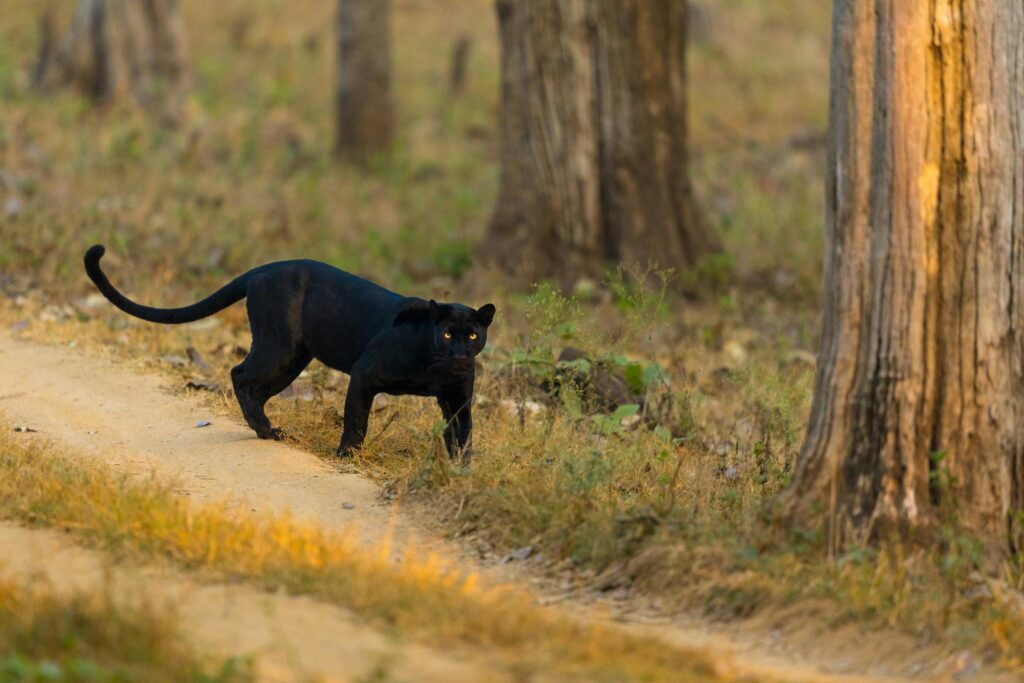
    Is travel insurance necessary for international travel from India?

    Yes, travel insurance is necessary for many destinations and is an important part of the International Travel Checklist for Indians. It protects against medical emergencies, trip delays, and baggage loss during international travel.

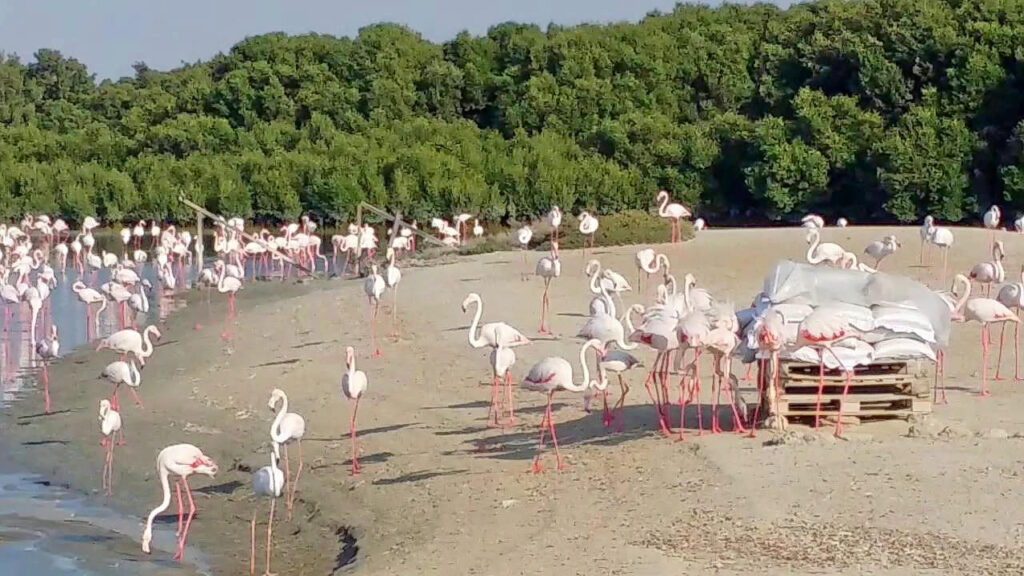
    Can Indians carry medicines while traveling internationally?

    Yes, Indians can carry medicines for personal use, but prescription medicines should be accompanied by a doctor’s prescription. This is an important part of the travel checklist for international travel, especially for long trips.

    How much cash should Indians carry for international travel?

    Indians should carry a small amount of local currency along with a forex card and international debit or credit cards. This balanced approach is ideal for any International Travel Checklist, as it ensures convenience and safety.

    What electronics are essential for international travel from India?

    Essential electronics include a smartphone, charger, universal power adapter, power bank, and an international SIM or eSIM. These items should always be included in your International Travel Checklist for smooth connectivity abroad.